Condition
What Is Pelvic Floor Dysfunction?
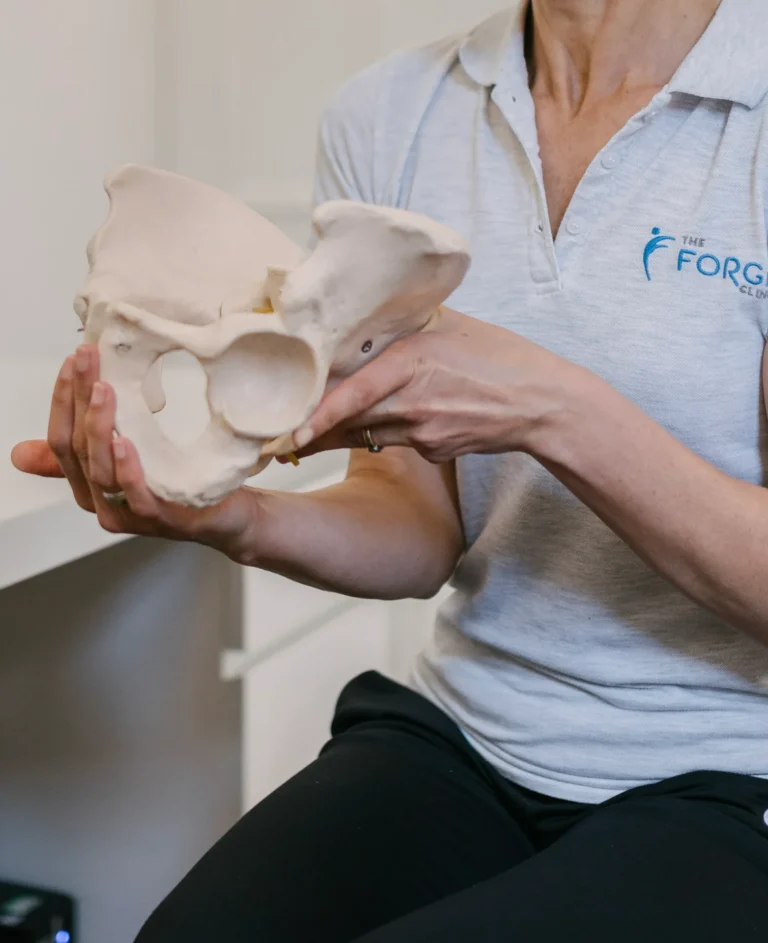
The pelvic floor is a group of muscles, ligaments and connective tissues that support the bladder, bowel and reproductive organs. These muscles also play an important role in continence, core stability, sexual function and pressure management throughout the body.
Pelvic floor dysfunction occurs when these muscles become weak, overactive, poorly coordinated or unable to function effectively.
Symptoms can affect women and men of all ages and may develop gradually or following pregnancy, childbirth, surgery, injury or other medical conditions.
Symptoms
Common Symptoms of Pelvic Floor Dysfunction
Symptoms may include:
- Leaking urine when coughing, sneezing or exercising
- Sudden urgency to urinate
- Frequent trips to the toilet
- Difficulty emptying the bladder
- Constipation
- Difficulty emptying the bowels
- Pelvic heaviness or pressure
- Vaginal bulging sensations
- Pelvic pain
- Lower abdominal discomfort
- Pain during intercourse
- Reduced core stability
- Lower back or pelvic girdle pain
- Symptoms during exercise or sport
What We Treat
Common Types of Pelvic Floor Dysfunction
Pelvic floor dysfunction can present in several ways, including:
Urinary Incontinence
Loss of bladder control during activities such as coughing, sneezing, laughing, lifting or exercise.
Urgency and Frequency
A sudden, difficult-to-control urge to urinate or the need to visit the toilet frequently throughout the day or night.
Pelvic Organ Prolapse
A feeling of heaviness, dragging or pressure caused by one or more pelvic organs descending into the vaginal canal.
Pelvic Pain
Pain affecting the pelvic region, lower abdomen, perineum or surrounding structures.
Bowel Dysfunction
Symptoms may include constipation, difficulty emptying the bowels, faecal urgency or bowel incontinence.
Overactive Pelvic Floor
In some cases, pelvic floor muscles become excessively tight, leading to pain, tension and difficulty relaxing normally.
Postnatal Pelvic Floor Problems
Pregnancy and childbirth can contribute to weakness, injury or altered pelvic floor function, leading to a variety of symptoms.
Causes
What Causes Pelvic Floor Dysfunction?
A number of factors may contribute to pelvic floor dysfunction, including:
Often, symptoms result from a combination of contributing factors rather than a single cause.
Assessment Process
How We Assess Pelvic Floor Dysfunction
At The Forge Clinic, we take a sensitive, thorough and evidence-based approach to assessment.
Your appointment may include:
- Detailed medical history
- Discussion of symptoms and goals
- Bladder and bowel health assessment
- Movement and posture analysis
- Breathing assessment
- Core muscle evaluation
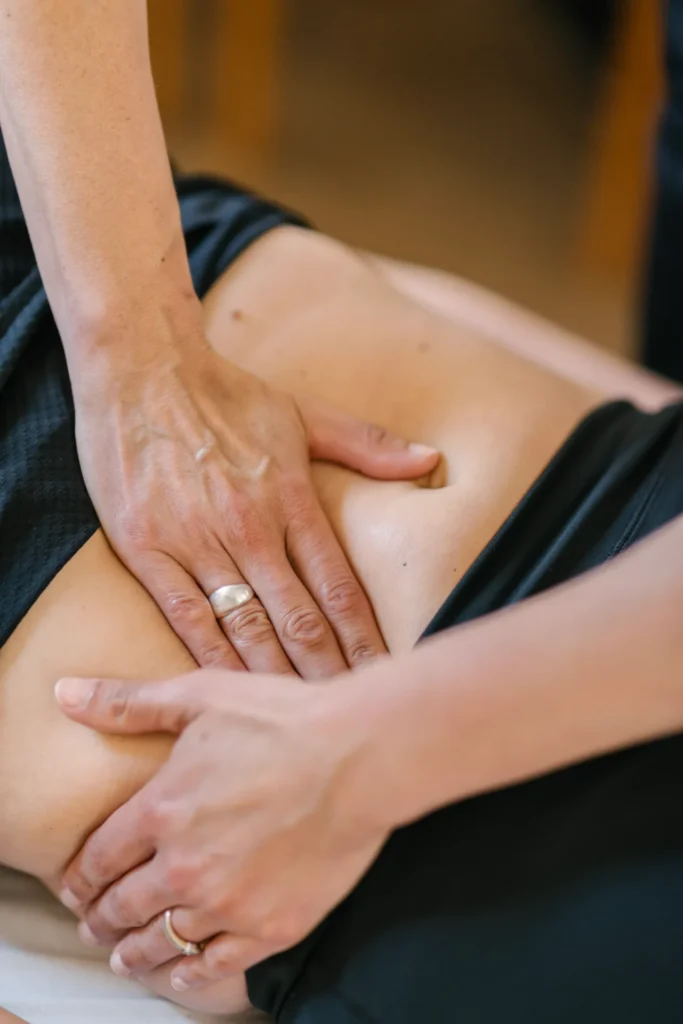
- Pelvic floor function assessment
- Internal examination where clinically appropriate and with full consent
Assessment findings allow us to develop an individual treatment plan tailored to your needs and comfort level.
Treatment
Pelvic Floor Dysfunction Treatment in Richmond
01
Pelvic Health Physiotherapy
Specialist physiotherapy is considered the first-line treatment for many pelvic floor conditions.
Treatment may include:
- Pelvic floor muscle retraining
- Strengthening programmes
- Relaxation techniques
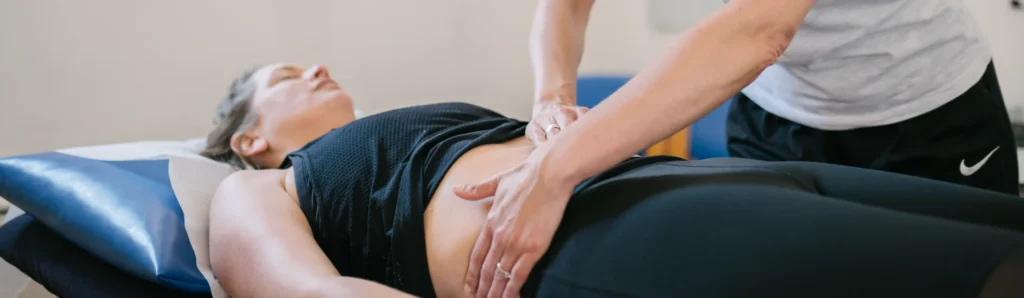
- Manual therapy where appropriate
- Bowel management strategies
- Breathing and pressure management
- Bladder retraining
- Education and lifestyle guidance
02
Pelvic Floor Muscle Rehabilitation
Not all pelvic floor dysfunction results from weakness.
Some individuals require strengthening, while others benefit from learning how to relax and coordinate their pelvic floor muscles more effectively.
Your treatment programme will be tailored to your specific presentation.
03
Postnatal Rehabilitation
Following pregnancy and childbirth, pelvic floor assessment can identify issues such as:
- Weakness
- Poor muscle coordination
- Diastasis recti
- Pelvic organ prolapse
- Persistent pelvic pain
Early rehabilitation can help restore confidence and support long-term recovery.
04
Exercise Guidance
Many people avoid exercise because they worry about worsening symptoms.
Our clinicians can help you safely return to:
- Walking
- Running
- Gym training
- Pilates
- Yoga
- Sports participation
- Strength training
while protecting and improving pelvic floor function.
Understanding the Causes
Pelvic Floor Dysfunction and Women's Health
Pelvic floor dysfunction is closely linked to many women’s health concerns, including:
- Pregnancy-related pelvic pain
- Postnatal recovery
- Menopause-related changes
- Pelvic organ prolapse
- Bladder dysfunction
- Pelvic pain disorders
Our team provides supportive, confidential care at every stage of life.
Why The Forge Clinic
Why Choose The Forge Clinic?
We understand that discussing pelvic floor symptoms can feel uncomfortable.
Our pelvic health team provides:
- Specialist assessment
- Evidence-based treatment
- Individualised rehabilitation plans
- Compassionate, confidential care
- Clear education and support
- Long-term management strategies
Our goal is to help you regain confidence, reduce symptoms and return to the activities that matter most to you.
FAQs
Frequently Asked Questions
Is pelvic floor dysfunction common?
Yes. Pelvic floor symptoms are extremely common, particularly following pregnancy, childbirth and menopause, although they can affect people of all ages.
Can pelvic floor dysfunction improve without surgery?
In many cases, yes. Physiotherapy is considered a highly effective first-line treatment for many pelvic floor conditions.
Is an internal examination always required?
No. Internal examinations are only performed when clinically appropriate and with your full consent. Alternative assessment methods are available.
Can exercise make pelvic floor symptoms worse?
Certain activities may aggravate symptoms temporarily, but appropriate exercise is often an important part of recovery.
How long does treatment take?
Recovery varies depending on the condition, severity and individual goals. Many patients begin noticing improvements within several weeks of starting treatment.