Service
Relief for Muscular Tension and Tightness
Cupping therapy is a traditional treatment technique used to help relieve muscular tension, improve circulation and support recovery from aches, pains and physical stress.
At The Forge Clinic in Richmond, cupping therapy is offered as a standalone treatment or integrated with massage therapy to help address muscle tightness, restricted movement and persistent tension patterns.
Provided by Clare Langford, cupping therapy is tailored to your individual needs and can be used alongside sports massage, remedial massage and relaxation-focused treatments.
Service
What Is Cupping Therapy?
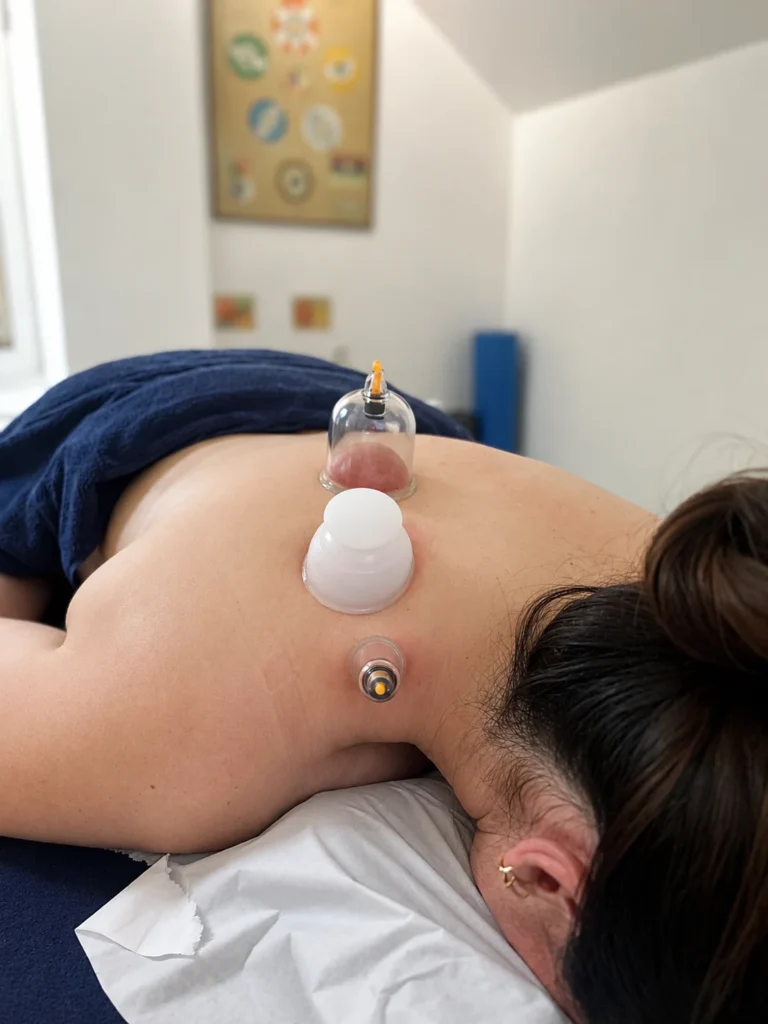
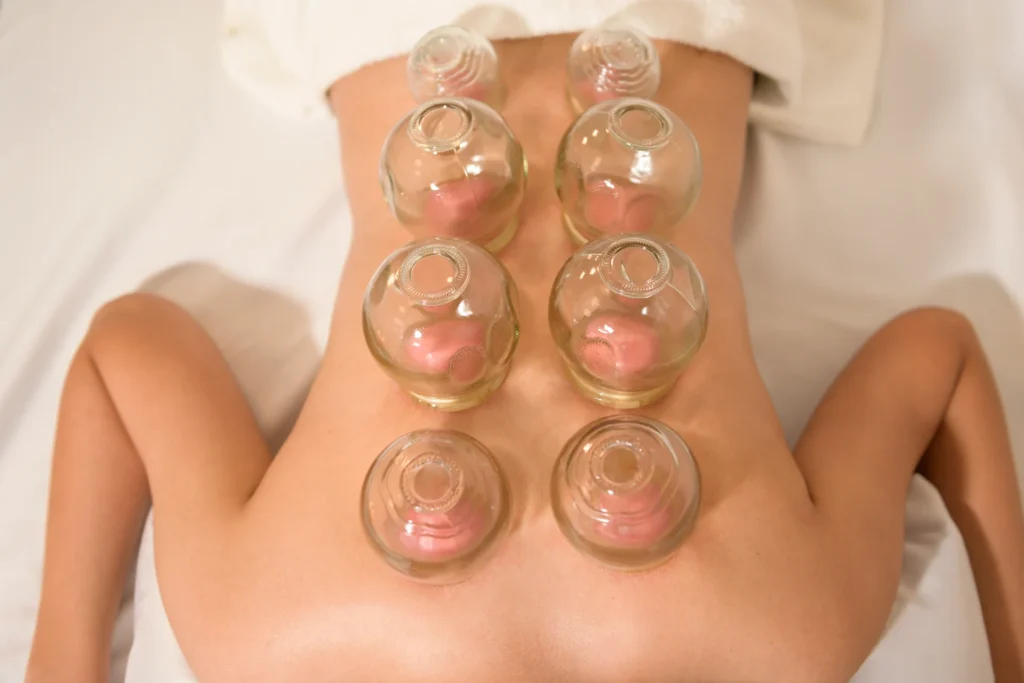
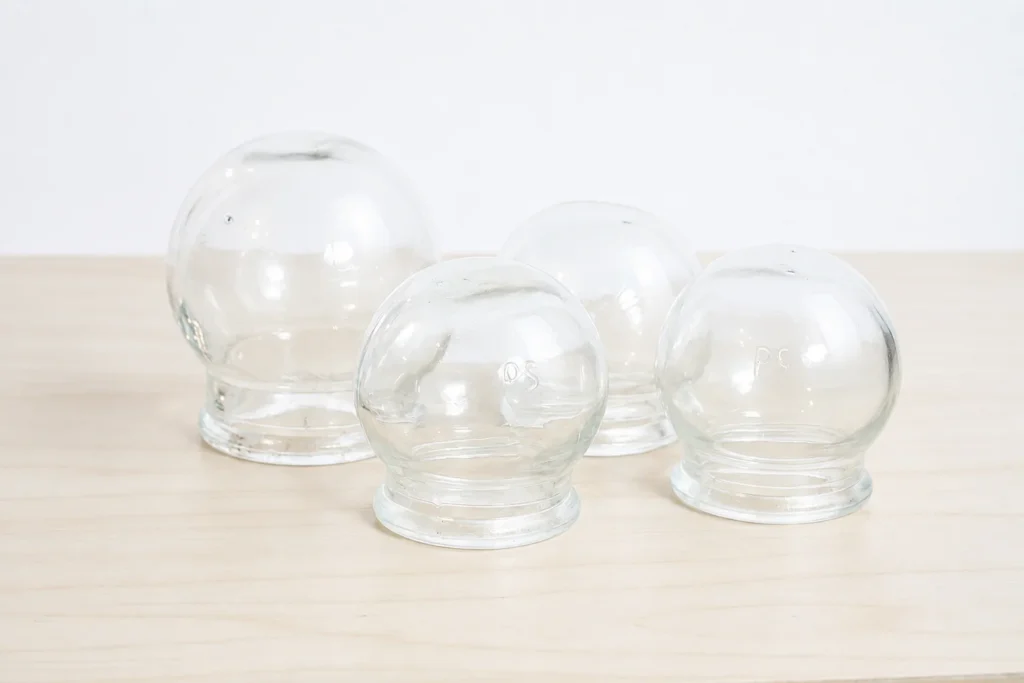
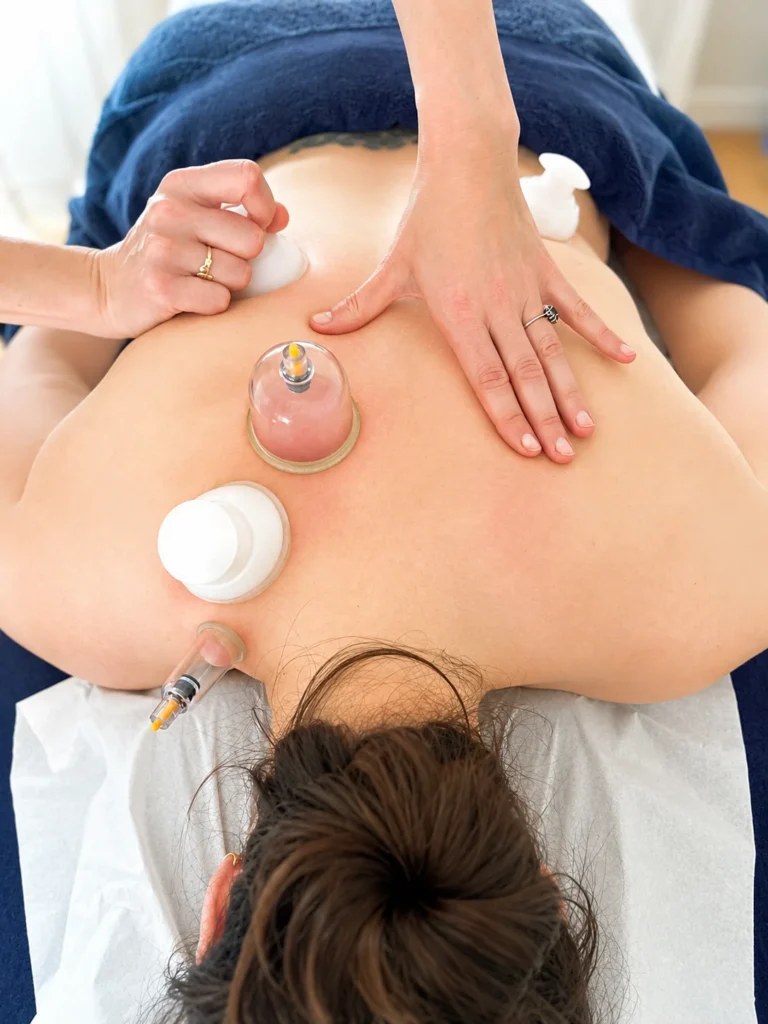
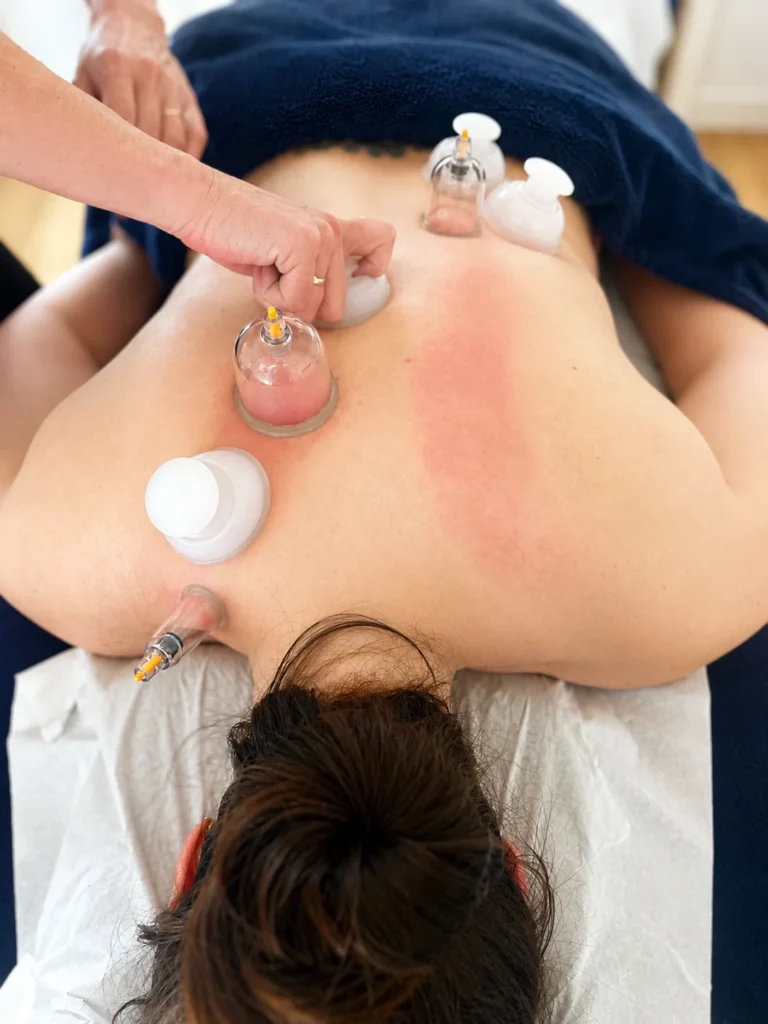
Cupping therapy uses specially designed cups placed on the skin to create gentle suction. This negative pressure lifts the soft tissues beneath the skin and is thought to help increase local circulation, reduce muscle tension and encourage tissue mobility.
Unlike traditional massage, which applies pressure into tissues, cupping gently lifts tissues upwards. This different approach can help target areas of tightness and restriction that may be difficult to address through massage alone.
Treatment Process
How Does Cupping Therapy Work?
The suction created by the cups may help to:
- Increase local blood flow
- Reduce muscle tightness
- Improve tissue mobility
- Encourage relaxation
- Support recovery following exercise
- Reduce feelings of stiffness
Cupping can be applied statically, where cups remain in one position, or dynamically, where cups are moved across the skin to create a massage-like effect.
Treatment Process
How Does Cupping Therapy Work?
Cupping therapy may be suitable for people experiencing:
Neck And Shoulder Tension
Many people develop persistent tightness through desk-based work, stress and poor posture. Cupping can help release tension and improve comfort throughout the neck and shoulders.
Back Pain And Stiffness
Cupping therapy is commonly used alongside manual therapy techniques to help address muscular tension in the upper, mid and lower back.
Sports And Exercise Recovery
Active individuals often use cupping therapy to support recovery from training and help manage muscle tightness following exercise.
Headaches And Tension
Muscular tension around the neck, shoulders and upper back can contribute to tension-type headaches. Cupping may help reduce muscle tightness and improve mobility.
General Stress And Tension
Many clients choose cupping therapy as part of a broader relaxation and wellbeing programme.
Conditions
Conditions Commonly Treated
Cupping therapy may help support treatment for:
Treatment plans are always tailored to the individual and may include a combination of manual therapy, massage and exercise advice where appropriate.
You apppointment
What Happens During A Cupping Therapy Appointment?
Your appointment begins with a discussion about your symptoms, goals and medical history.
Following assessment, your therapist will determine whether cupping therapy is appropriate and whether it should be combined with other treatment techniques.
Depending on your needs, treatment may include:
- Static cupping
- Dynamic cupping massage
- Soft tissue massage
- Stretching techniques
- Mobility advice
- Self-management guidance
The intensity of treatment is always adjusted to suit your comfort level.
What to Expect
Will Cupping Leave Marks?
Cupping therapy can leave temporary circular marks on the skin. These are not bruises but are a normal response to the suction created by the cups.
The appearance and duration of marks varies between individuals and typically fades over several days.
Your therapist will explain this fully before treatment.
Benefits
Benefits Of Cupping Therapy
Many clients report benefits such as:
- Reduced muscle tension
- Improved movement
- Less stiffness
- Enhanced recovery from exercise
- Greater relaxation
- Improved sense of wellbeing
- Reduced feelings of physical stress
Individual results vary depending on the condition being treated and other lifestyle factors.
Why The Forge Clinic
Why Choose The Forge Clinic?
01
Experienced Hands-On Therapists
Cupping therapy is provided by Clare Langford, an experienced therapist skilled in combining cupping with massage and soft tissue techniques.
02
Personalised Treatment
Every session is tailored to your symptoms, goals and physical condition rather than following a standard treatment template.
03
Multidisciplinary Support
As part of a multidisciplinary clinic, we can coordinate care alongside Physiotherapy, Osteopathy, Sports Rehabilitation and Massage Therapy when appropriate.
04
Trusted Local Clinic
The Forge Clinic supports patients from Richmond, Kew, Sheen, Ham, Twickenham, Mortlake, St Margarets and Petersham with evidence-informed treatment and rehabilitation services.
FAQs
Frequently Asked Questions
Is Cupping Therapy painful?
Most people find treatment comfortable. You may feel a pulling or stretching sensation beneath the cups, but treatment should not be painful.
How long do cupping marks last?
Marks typically fade within a few days to two weeks depending on the individual and the intensity of treatment.
Can cupping be combined with massage?
Yes. Cupping Therapy is often used alongside Massage Therapy and soft tissue treatment to help achieve the best results.
Is Cupping Therapy suitable for athletes?
Yes. Many active individuals and sports participants use Cupping Therapy to support recovery and manage muscle tightness.
How many sessions will I need?
This depends on your symptoms, goals and response to treatment. Your therapist will discuss recommendations following your assessment.