Condition
What Is Neck Pain?
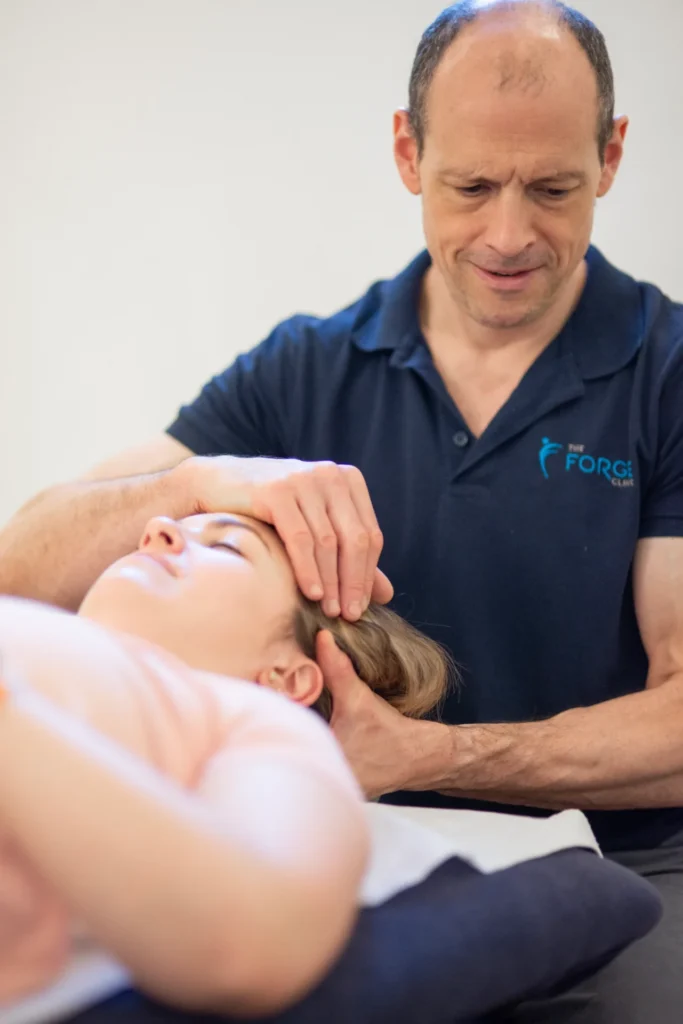
The cervical spine consists of seven vertebrae, multiple joints, discs, muscles, ligaments and nerves that work together to support the head and allow movement.
Neck pain can arise when one or more of these structures become irritated, overloaded or injured. Symptoms may remain localised to the neck or spread into the shoulders, upper back, arms or head.
Many cases of neck pain are mechanical, meaning symptoms are influenced by movement, posture, muscle tension or joint stiffness. Others may involve nerve irritation, disc-related problems or age-related changes within the cervical spine.
Most neck pain responds well to conservative treatment when assessed and managed appropriately.
Symptoms
Common Symptoms of Neck Pain
Symptoms vary depending on the structures involved and the severity of irritation.
Common symptoms include:
- Neck stiffness
- Pain when turning or tilting the head
- Pain at the base of the skull
- Shoulder and upper back tension
- Muscle tightness and spasms
- Reduced range of movement
- Headaches originating from the neck
- Pain radiating into the shoulder or arm
- Pins and needles in the arm or hand
- Numbness or altered sensation
- Weakness in the arm or hand
- Pain when sitting at a desk
- Discomfort during driving
- Sleep disturbance due to neck pain
If you experience significant arm weakness, loss of coordination, balance changes or symptoms following significant trauma, seek medical advice promptly.
What We Treat
Types of Neck Pain We Treat
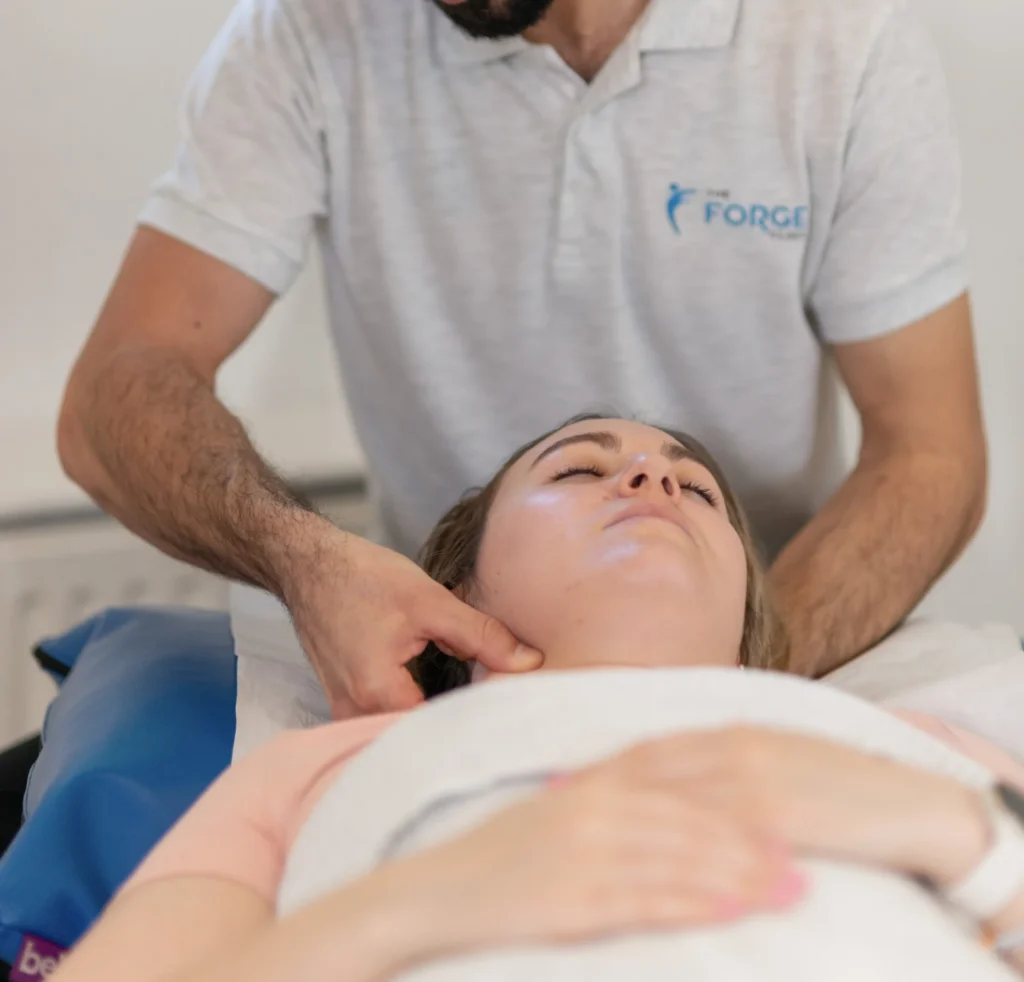
At The Forge Clinic, we regularly assess and treat a wide range of back pain presentations.
Acute Neck Pain
Acute neck pain often develops after sleeping awkwardly, sudden movements, lifting incidents or sporting activities. Treatment focuses on reducing pain, restoring mobility and returning you to normal activity.
Chronic Neck Pain
Long-standing neck pain may be linked to recurring muscle tension, postural factors, joint stiffness, stress, degenerative changes or previous injury. Rehabilitation often combines hands-on treatment with exercise and movement retraining.
Cervical Disc Herniation
A cervical disc herniation can irritate nearby nerves, causing neck pain and symptoms travelling into the shoulder, arm or hand. Treatment aims to reduce irritation and restore normal function.
Cervical Radiculopathy
Cervical radiculopathy occurs when a nerve root becomes compressed or irritated. Symptoms may include arm pain, tingling, numbness or weakness.
Cervical Arthritis
Age-related changes within the cervical spine may contribute to stiffness, aching and reduced mobility. Treatment focuses on maintaining movement, strength and function.
Whiplash Associated Disorders
Whiplash commonly occurs following road traffic accidents or sudden forceful movements of the neck. Early assessment and guided rehabilitation can help support recovery.
Cervicogenic Headaches
Some headaches originate from dysfunction within the neck. These headaches often begin at the base of the skull and may spread towards the forehead or behind the eyes.
Causes
What Causes Neck Pain?
Neck pain is often influenced by several contributing factors rather than a single cause.
Common causes include:
Identifying the factors contributing to your symptoms helps guide the most effective treatment approach.
Assessment Process
How We Assess Neck Pain
Your assessment begins with a detailed discussion about your symptoms, medical history, daily activities and goals.
Your clinician may assess:
- Cervical spine movement
- Joint mobility
- Muscle strength
- Neurological function
- Posture
- Upper limb function
- Movement patterns
- Workstation and activity demands
We will explain our findings clearly and discuss the most appropriate treatment options for your recovery.
Treatment
Treatment for Neck Pain in Richmond
Treatment is always tailored to your diagnosis, symptoms and goals.
01
Physiotherapy for Neck Pain
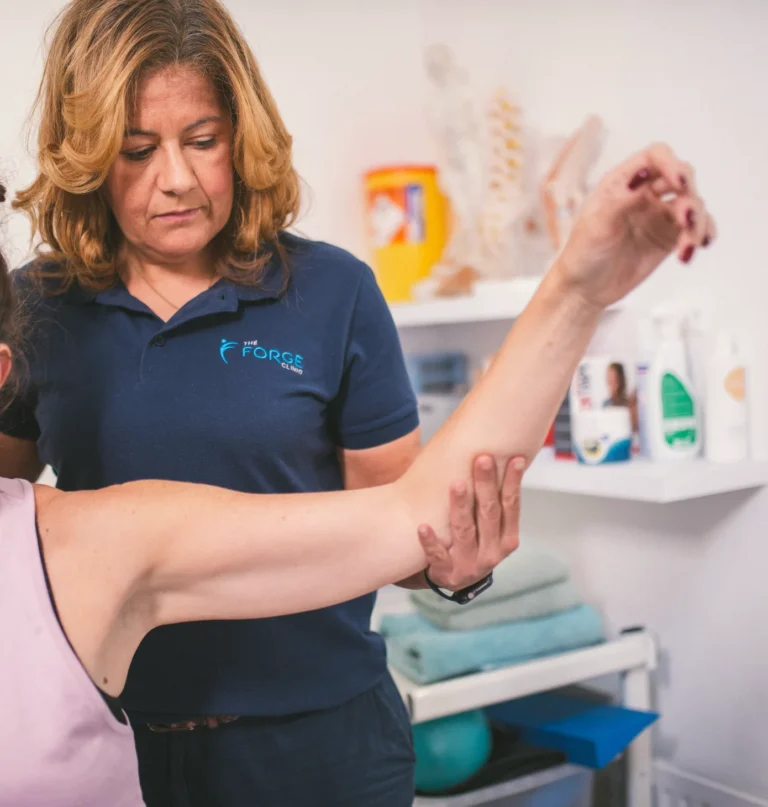
Physiotherapy can help improve movement, strength, posture and confidence. Treatment may include manual therapy, rehabilitation exercises and education.
02
Osteopathy for Neck Pain
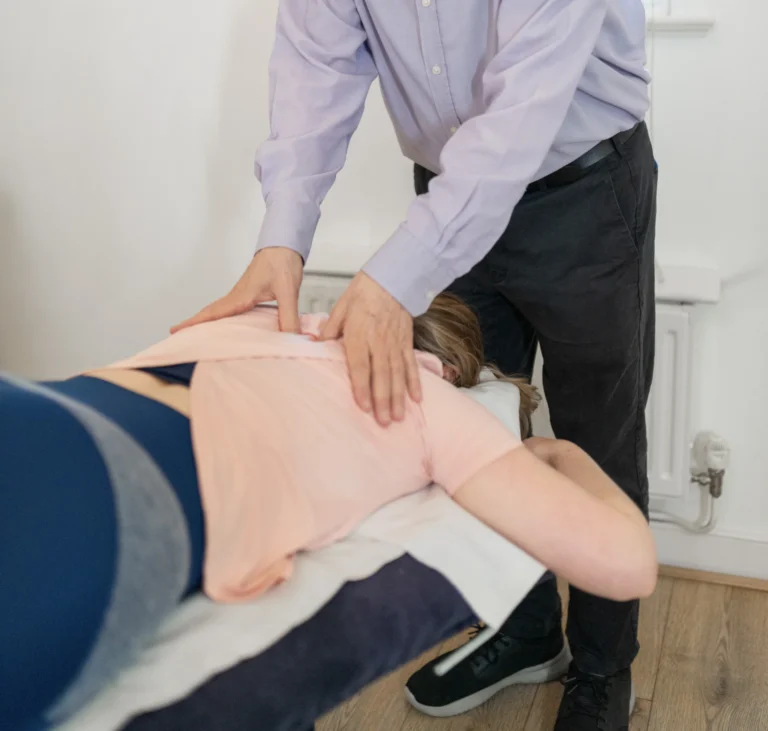
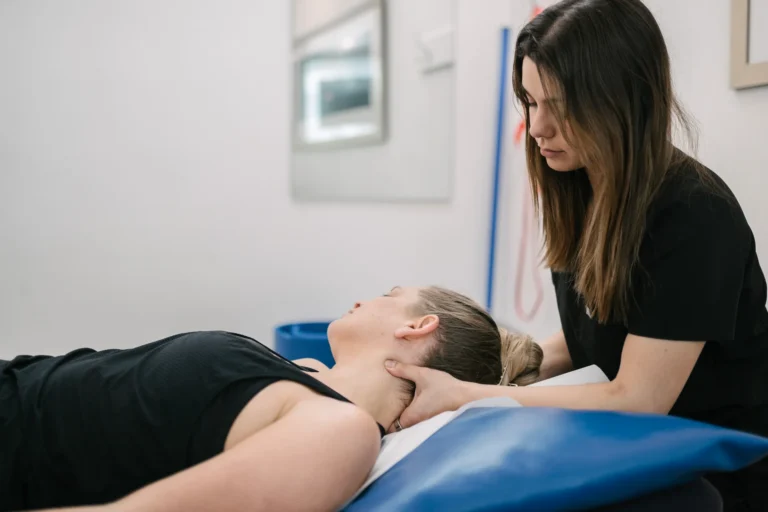
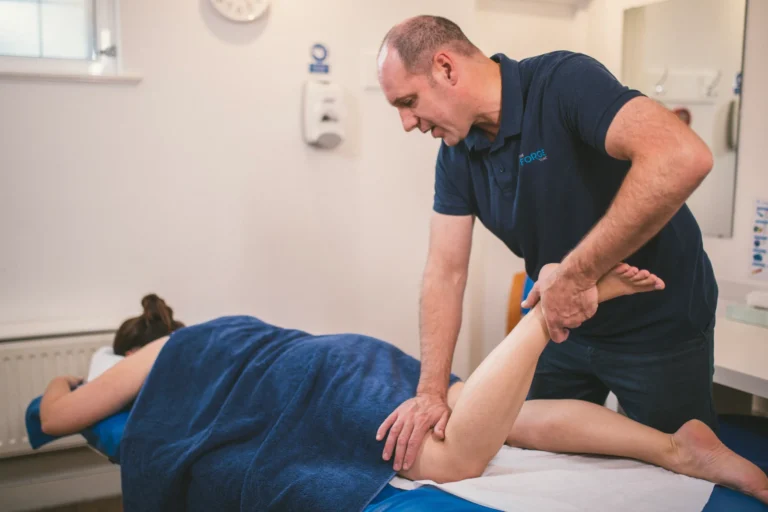
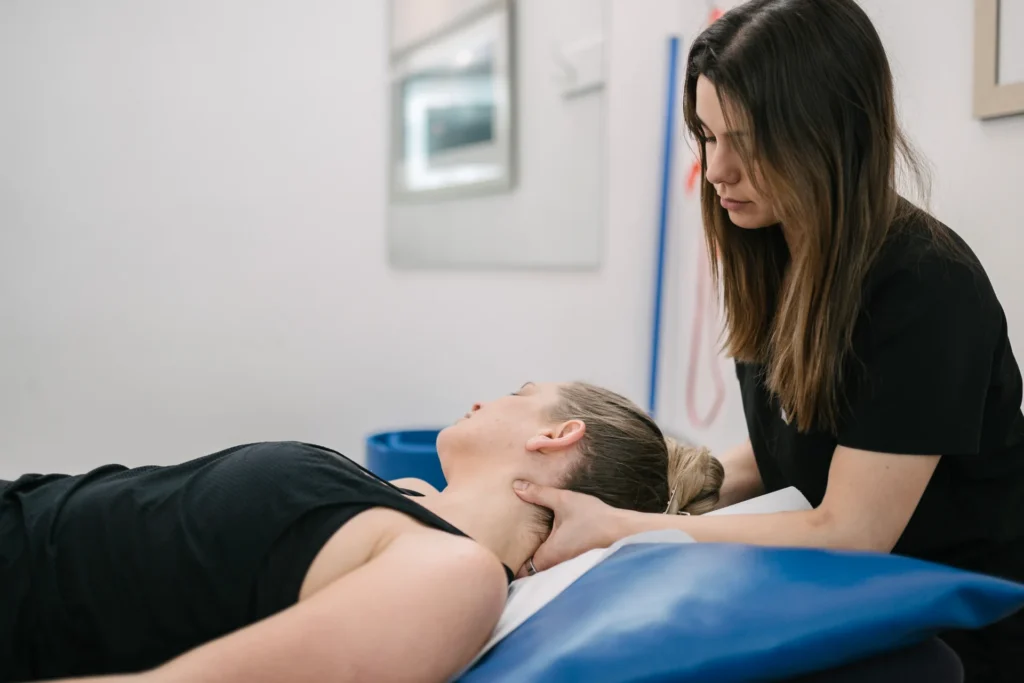
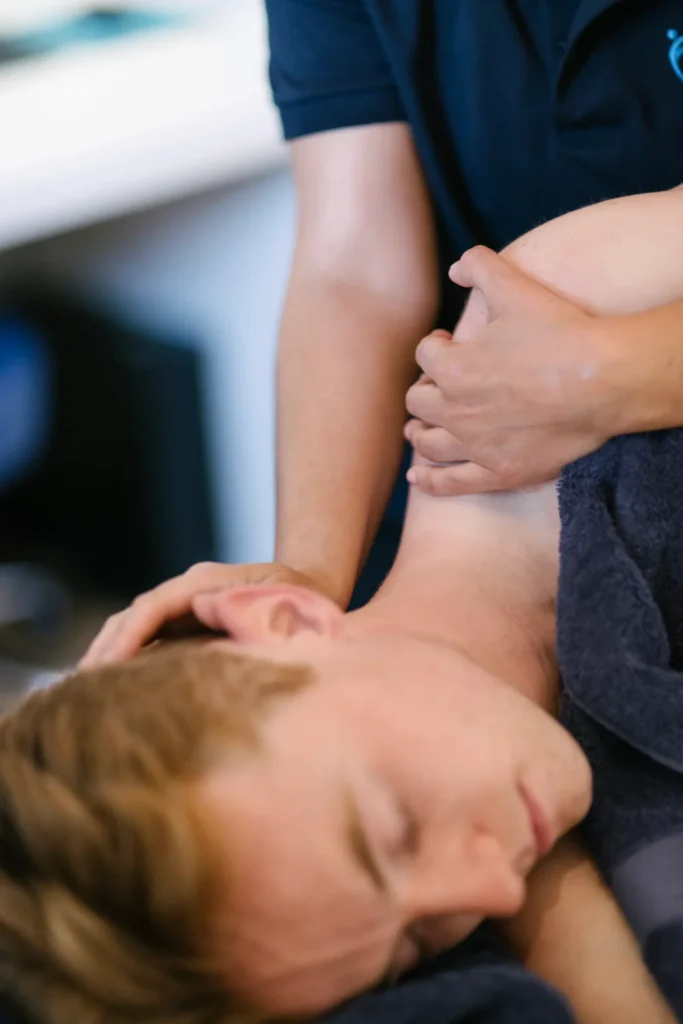
Osteopathy uses hands-on techniques to improve joint mobility, reduce muscular tension and support better movement through the neck and upper back.
03
Clinical Exercise Rehabilitation
Clinical Exercise helps address strength deficits, movement dysfunction and recurring symptoms while improving long-term resilience.
04
Acupuncture for Pain Management
Acupuncture may be used in certain cases to help manage pain, reduce muscle tension and support recovery.
05
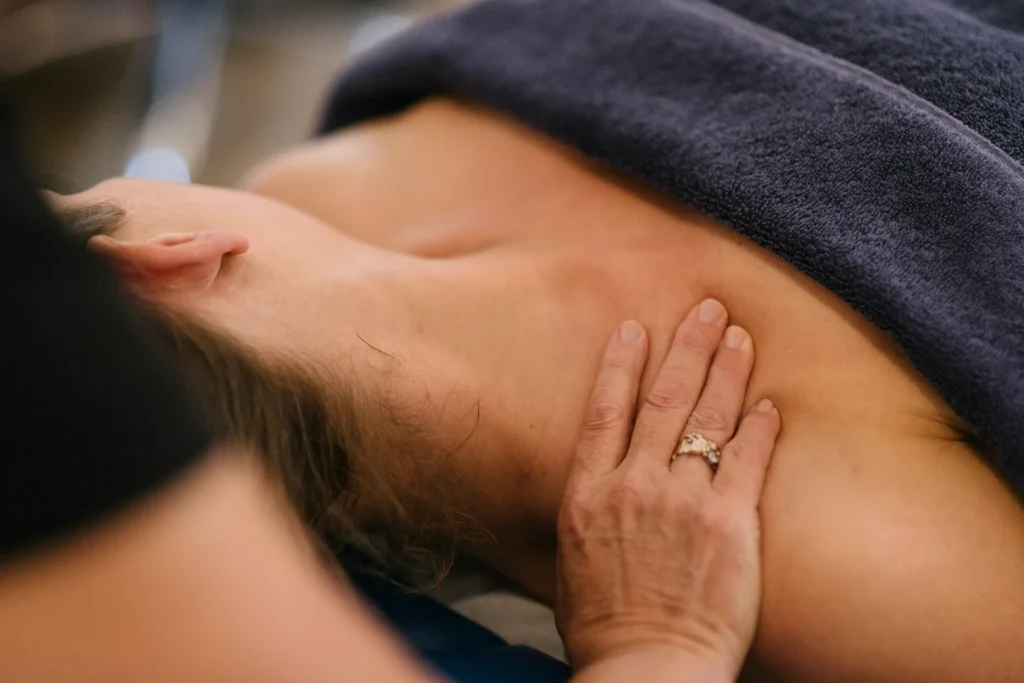
Massage Therapy for Neck Tension
Massage Therapy and Sports & Remedial Massage can be particularly effective for muscular tightness, postural strain and stress-related tension.
Why The Forge Clinic
Why Choose The Forge Clinic?
The Forge Clinic provides evidence-informed neck pain treatment in Richmond through a collaborative, multidisciplinary approach.
Patients choose us because we offer:
- Experienced Physiotherapists, Osteopaths and rehabilitation specialists
- Individualised treatment plans
- Hands-on therapy and exercise rehabilitation
- Support for acute and chronic neck pain
- Expertise in nerve-related neck conditions
- Convenient Richmond location
Team
Meet The Team
Our practitioners are registered with major private health insurers. Please contact our reception team for current insurer information and eligibility.
FAQs
Frequently Asked Questions
What is the most common cause of neck pain?
Most neck pain is mechanical in nature and relates to muscles, joints, posture, movement habits, stress or prolonged positions.
Can Physiotherapy help neck pain?
Yes. Physiotherapy can help improve mobility, strength, posture and overall function while reducing pain and stiffness.
Can neck pain cause headaches?
Yes. Cervicogenic headaches originate from structures within the neck and are a common presentation we assess and treat.
Why does neck pain travel into my arm?
This may indicate nerve irritation or cervical radiculopathy. A thorough assessment can determine whether a nerve is involved.
Is neck arthritis treatable?
While arthritis cannot be reversed, symptoms can often be effectively managed through exercise, manual therapy and lifestyle modifications.
When should I seek medical attention?
Seek prompt medical advice if you experience significant arm weakness, worsening neurological symptoms, loss of balance or symptoms following major trauma.