Condition
What Is Tennis Elbow?
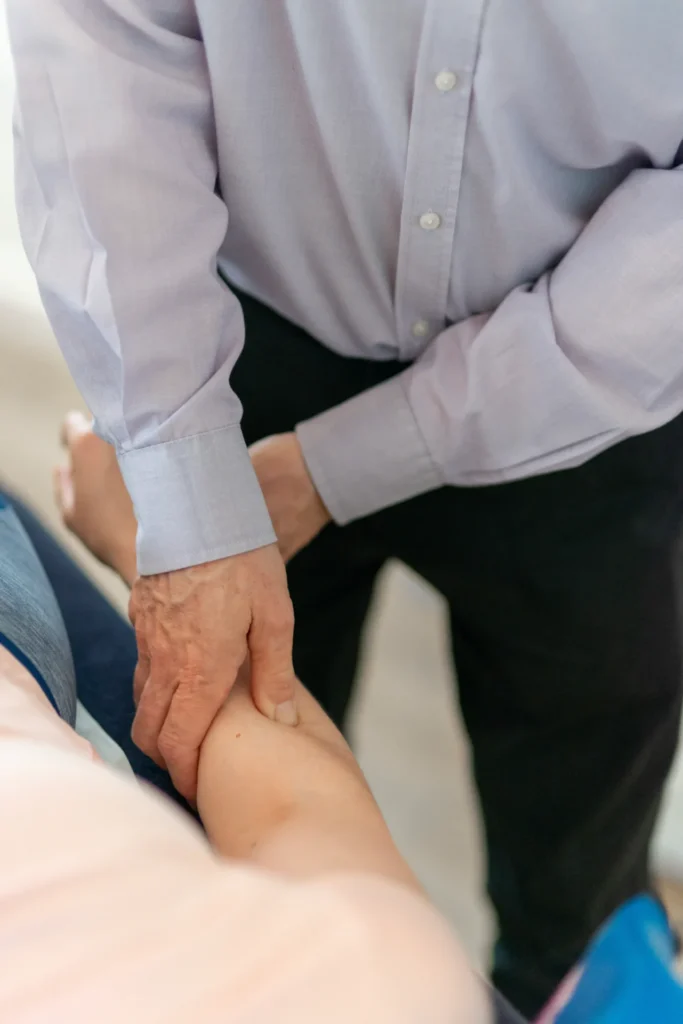
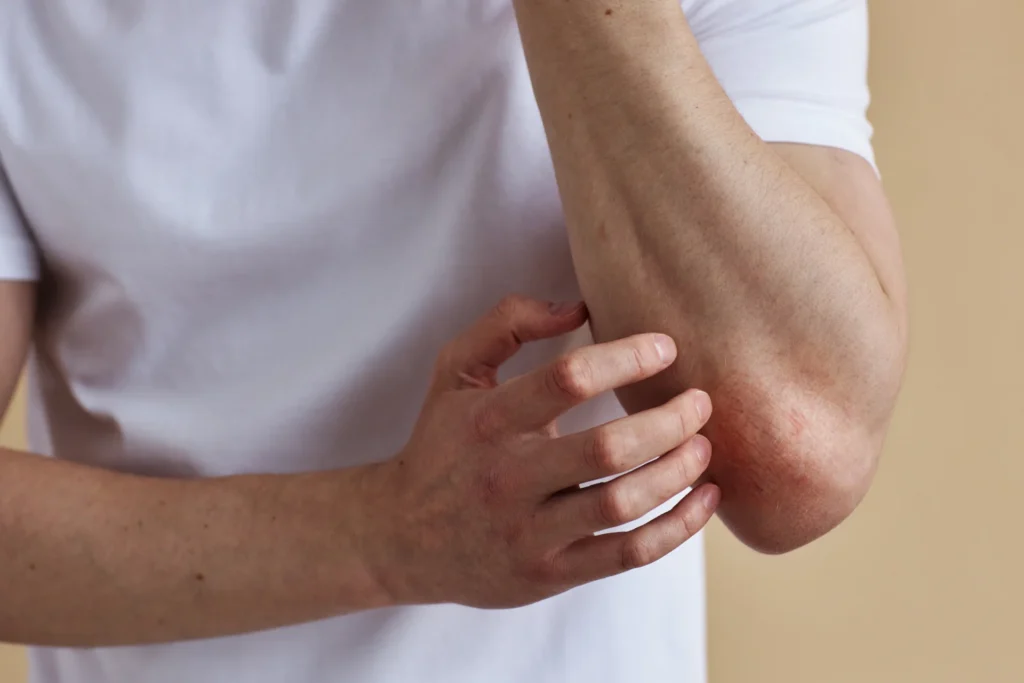
Tennis elbow, also known as lateral epicondylitis, affects the tendons that attach to the outside of the elbow.
The condition develops when repetitive loading exceeds the tendon’s ability to recover, resulting in pain and reduced function.
Although commonly associated with racket sports, tennis elbow frequently occurs in people who:
- Work at a computer
- Perform manual labour
- Lift weights
- Carry children regularly
- Use tools frequently
- Perform repetitive gripping tasks
Condition
What Is Golfer's Elbow?
Golfer’s elbow, or medial epicondylitis, affects the tendons on the inside of the elbow.
It develops through similar mechanisms to tennis elbow but involves different muscle groups responsible for gripping and wrist flexion.
It is commonly seen in:
- Golfers
- Racquet sport athletes
- Gym users
- Climbers
- Tradespeople
- Manual workers
Symptoms
Common Symptoms
Tennis Elbow Symptoms
- Pain on the outside of the elbow
- Pain when gripping objects
- Weak grip strength
- Pain lifting objects
- Pain when shaking hands
- Forearm aching
- Pain during racquet sports
- Discomfort using a computer mouse
- Symptoms that worsen with repetitive activity
Golfer's Elbow Symptoms
- Pain on the inside of the elbow
- Tenderness around the inner elbow
- Pain when gripping
- Pain when lifting
- Forearm tightness
- Weakness in the hand or wrist
- Symptoms during sport or gym training
Assessment Process
How We Assess Elbow Tendon Pain
Accurate diagnosis is important because elbow pain can sometimes originate from the neck, shoulder or nerve structures.
Your assessment may include:
- Detailed symptom history
- Grip strength testing
- Tendon loading tests
- Neck assessment
- Shoulder assessment
- Movement analysis
- Sporting demands review
- Occupational assessment
This allows us to identify both the diagnosis and the factors contributing to the condition.
Treatment
Tennis Elbow & Golfer's Elbow Treatment in Richmond
01
Physiotherapy
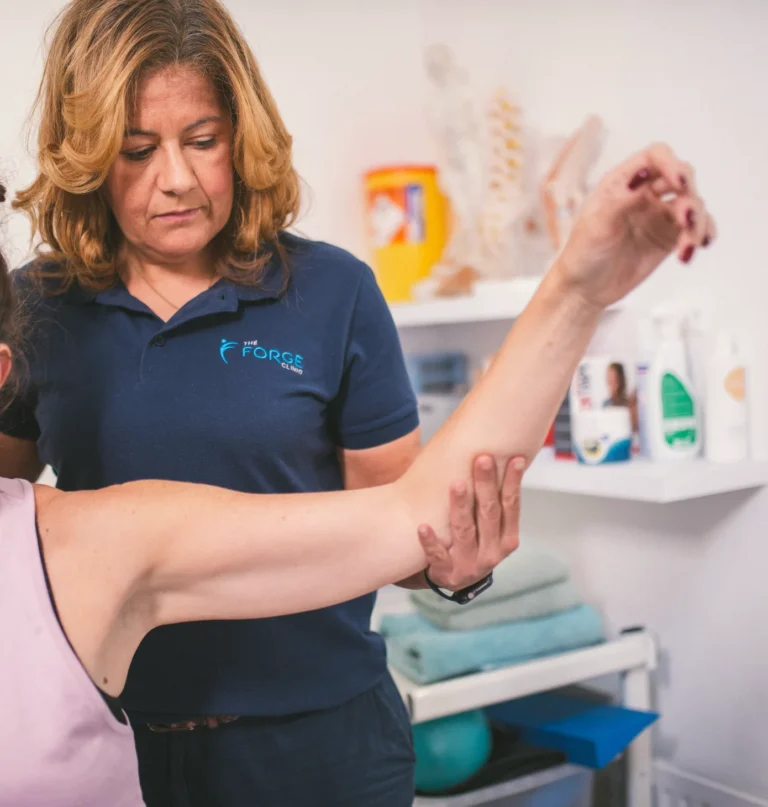
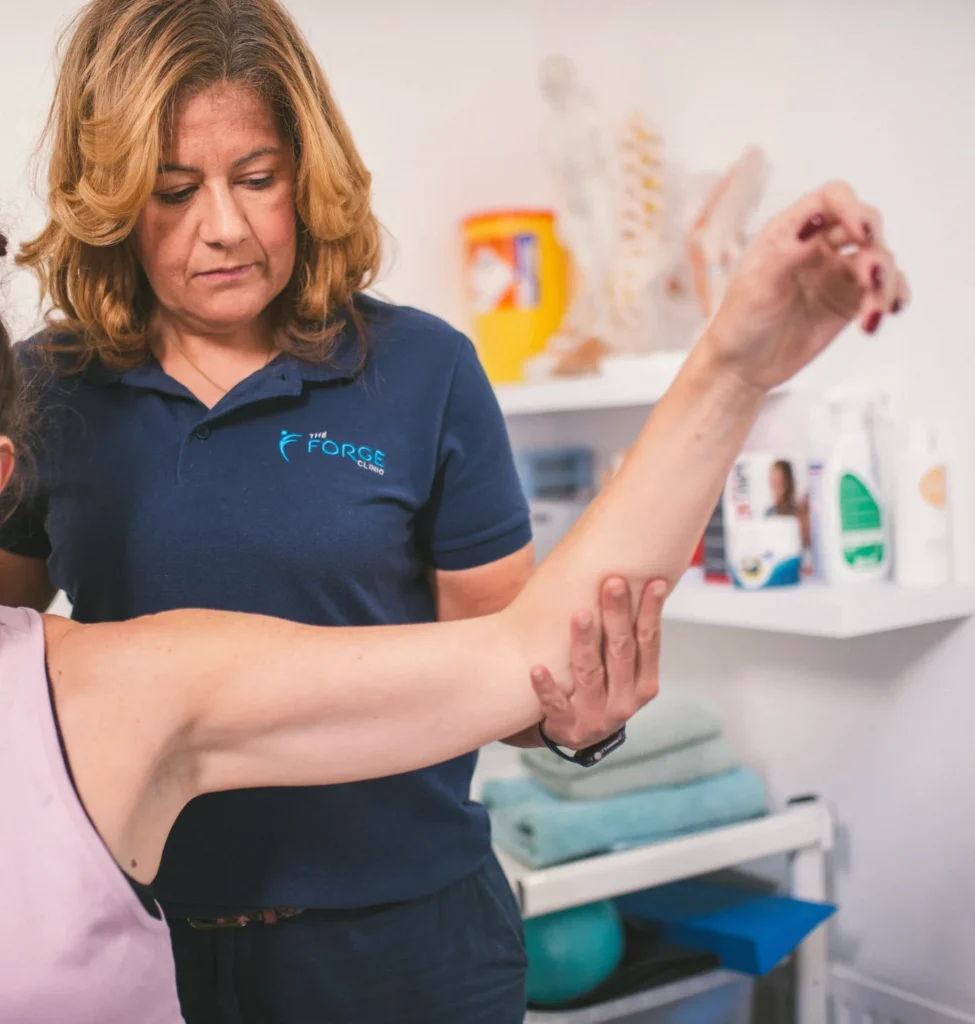
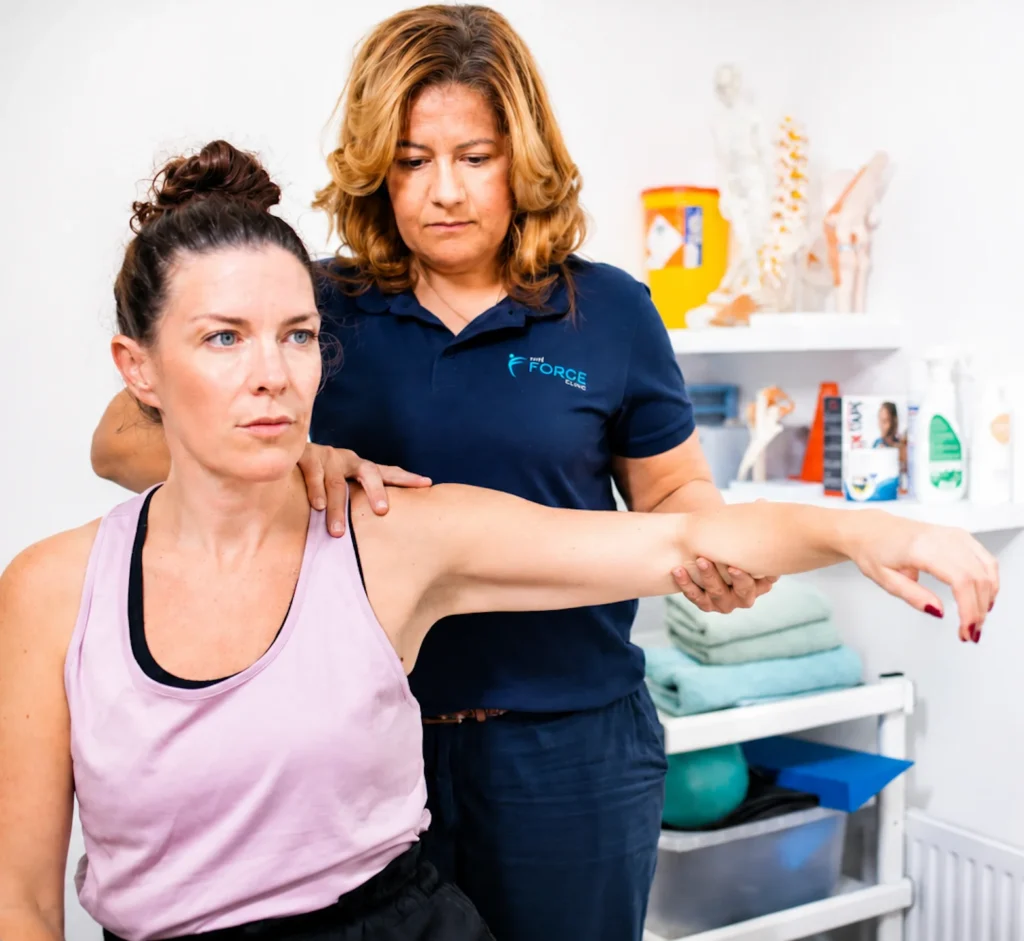
Physiotherapy forms the cornerstone of treatment for tendon-related elbow pain.
Treatment may include:
- Movement retraining
- Tendon loading exercises
- Grip strengthening
- Progressive strengthening programmes
- Activity modification advice
- Return-to-sport planning
02
Osteopathy
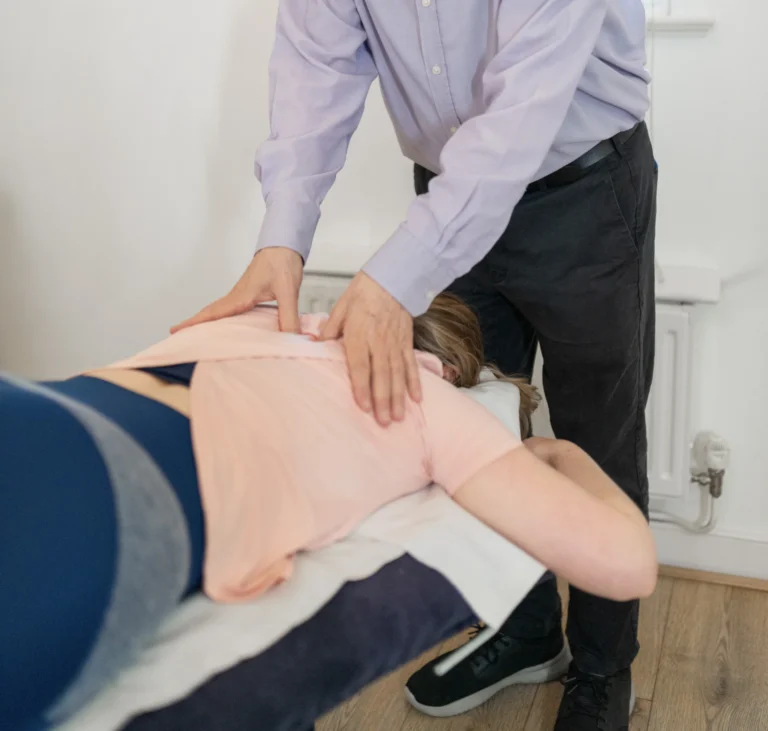
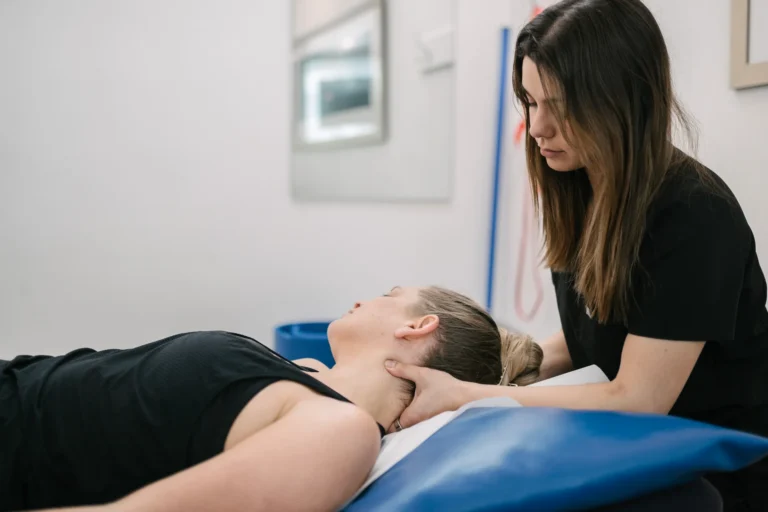
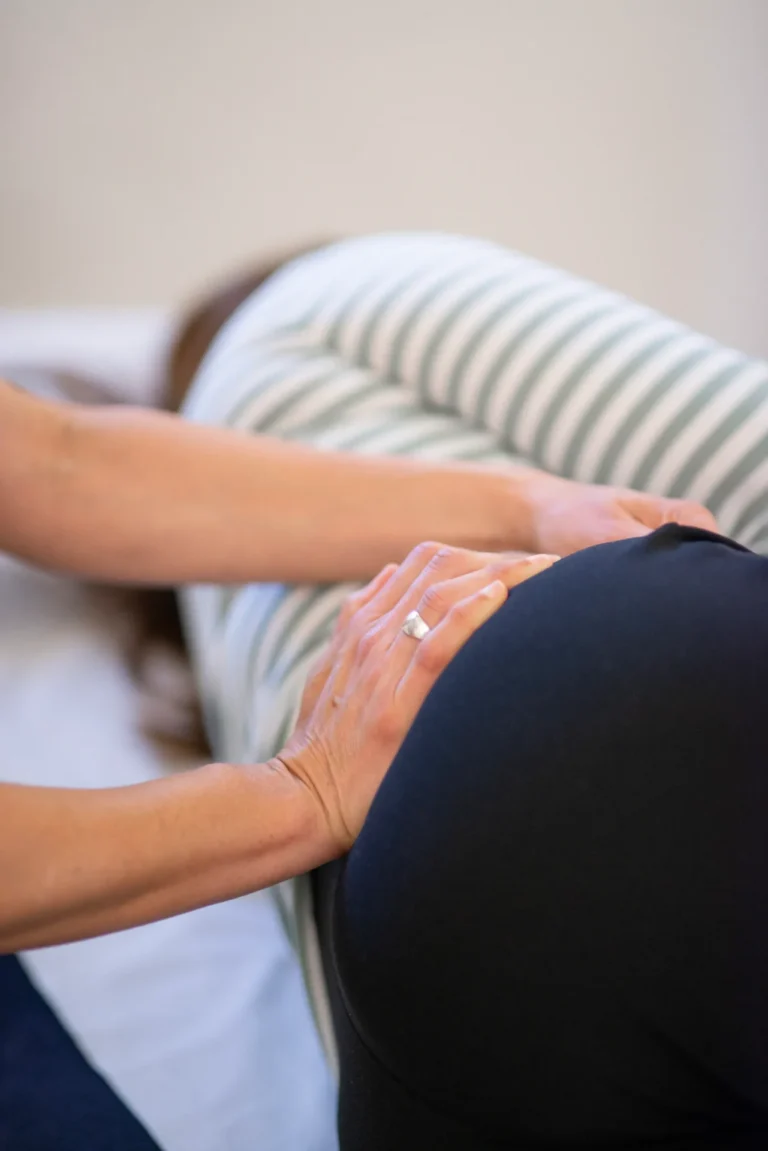
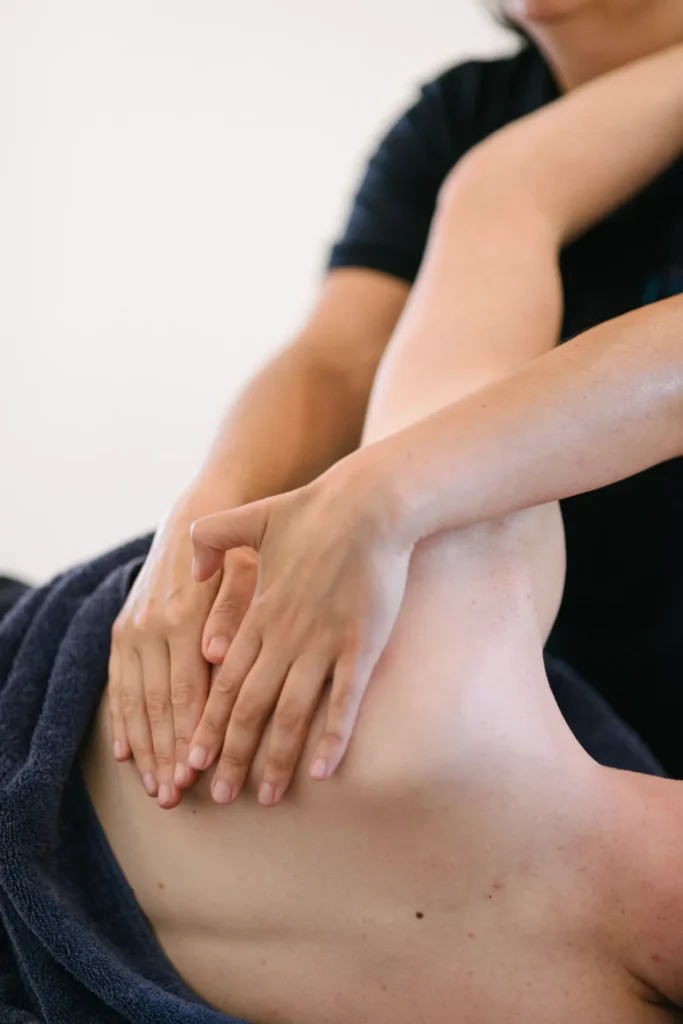
Osteopathy may help improve mobility and address contributing factors elsewhere in the arm, shoulder, neck and upper back.
03
Shockwave Therapy
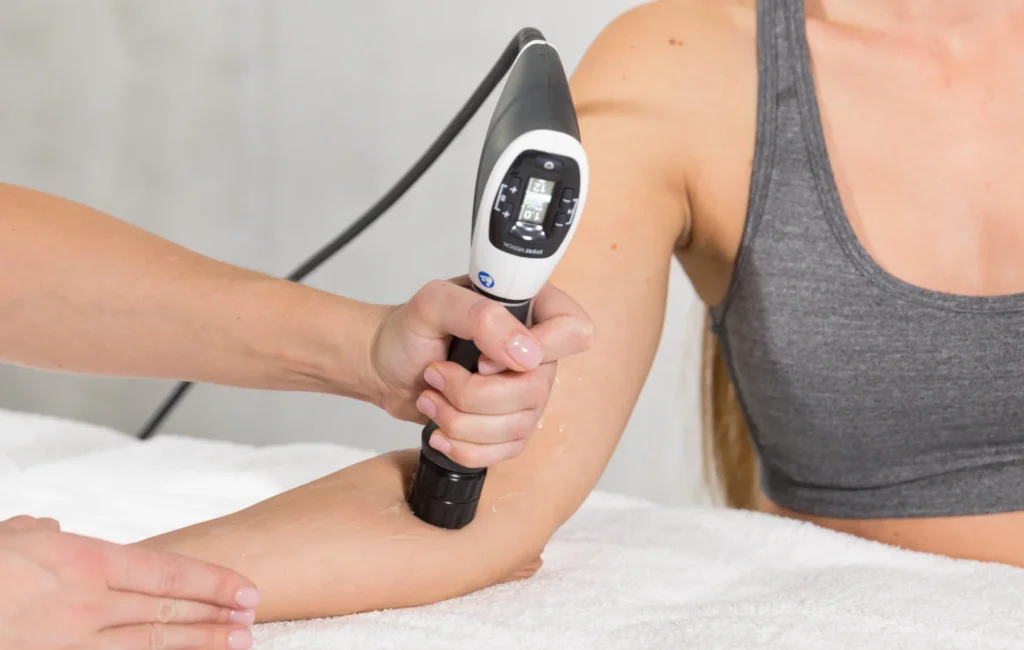
For persistent or chronic tendon pain, [Shockwave Therapy] can be highly effective.
Shockwave Therapy may help:
- Stimulate tendon healing
- Improve blood flow
- Reduce pain
- Accelerate recovery in stubborn cases
It is particularly useful when symptoms have persisted for several months despite rest or self-management.
04
Exercise Rehabilitation
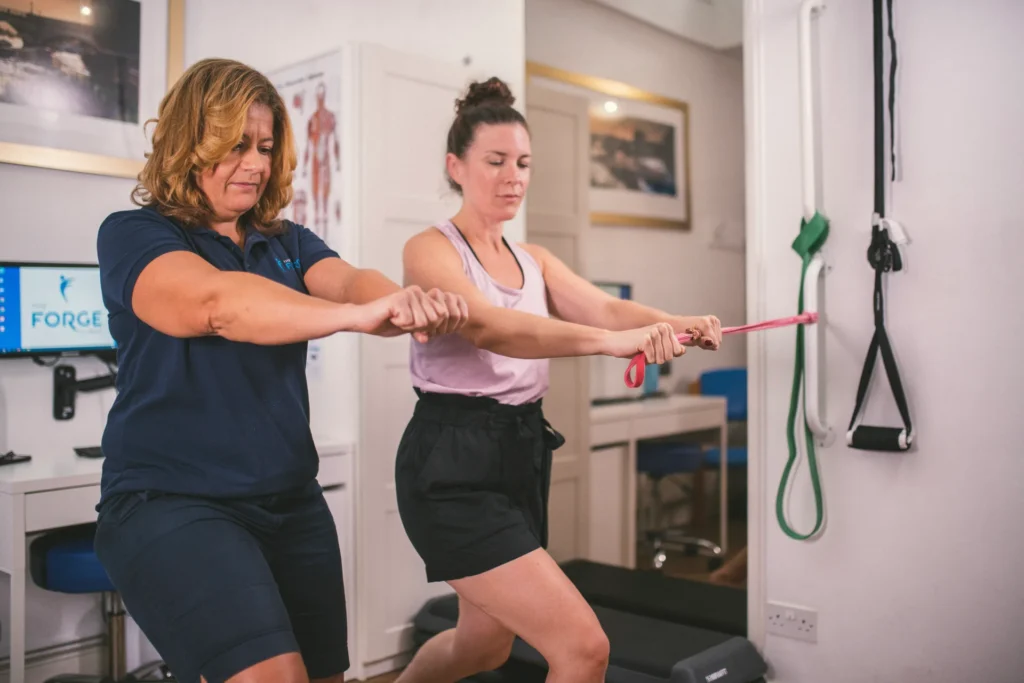
Successful tendon rehabilitation requires progressive loading.
Your programme may include:
- Isometric exercises
- Strength development
- Forearm conditioning
- Grip strengthening
- Functional loading
- Sport-specific progression
Research consistently shows that appropriately prescribed exercise is one of the most effective treatments for tendon conditions.
Understanding the Causes
Why Do These Conditions Develop?
Tendon pain often develops gradually over time.
Common contributing factors include:
- Repetitive gripping
- Sudden increases in training load
- Poor lifting technique
- Manual work demands
- Racquet sports
- Golf
- Gym training
- Reduced strength
- Poor recovery between activities
- Occupational strain
In many cases, symptoms arise from a combination of factors rather than a single event.
Prevention & Self-Care
Preventing Recurrence
Once symptoms improve, prevention becomes a key focus.
Strategies may include:
- Strength maintenance exercises
- Gradual training progression
- Improved technique
- Equipment modifications
- Load management
- Recovery planning
These measures help build long-term tendon resilience.
Know the Signs
Tennis Elbow in Sport
Athletes participating in tennis, padel, squash, badminton and gym training frequently develop tendon overload injuries.
Our clinicians help athletes by:
- Analysing training loads
- Improving movement efficiency
- Addressing strength deficits
- Managing return to sport safely
- Reducing recurrence risk
Why The Forge Clinic
Why Choose The Forge Clinic?
At The Forge Clinic, we combine evidence-based rehabilitation with a range of treatment options to achieve lasting results.
Patients choose us because we offer:
- Experienced physiotherapists and osteopaths
- Tendon rehabilitation expertise
- Shockwave therapy for chronic cases
- Individual exercise programmes
- Sports injury rehabilitation
- Return-to-sport support
- Convenient Richmond location
Team
Meet The Team
Our multidisciplinary team regularly helps patients recover from tennis elbow, golfer’s elbow and other tendon-related conditions affecting the upper limb.
FAQs
Frequently Asked Questions
What's the difference between tennis elbow and golfer's elbow?
Tennis elbow affects the tendons on the outside of the elbow, while golfer’s elbow affects the tendons on the inside of the elbow.
Do I need to stop exercising?
Usually not. Most patients benefit from modified exercise rather than complete rest. Your clinician can guide appropriate activity levels.
How long does recovery take?
Recovery varies depending on symptom duration and severity, but tendon conditions often improve gradually over several weeks to months with appropriate rehabilitation.
Can Shockwave Therapy help tennis elbow?
Yes. Shockwave therapy has been shown to be effective for many chronic tendon conditions, particularly when symptoms have persisted despite other treatments.
Why isn't my elbow pain improving with rest?
Tendon conditions often require progressive rehabilitation and strengthening rather than prolonged rest alone.