Service
Gentle Osteopathic Care for Babies and Children
The first few months of a baby’s life involve significant growth, development and adaptation. Birth, feeding challenges, digestive discomfort and early developmental changes can sometimes place additional strain on a baby’s body, leading parents to seek supportive treatment options.
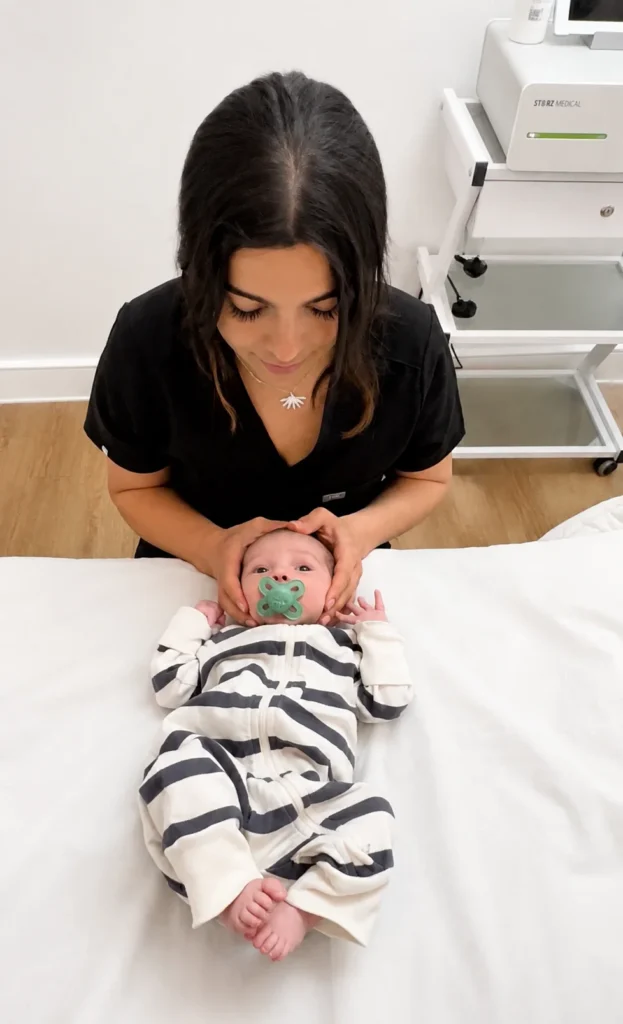
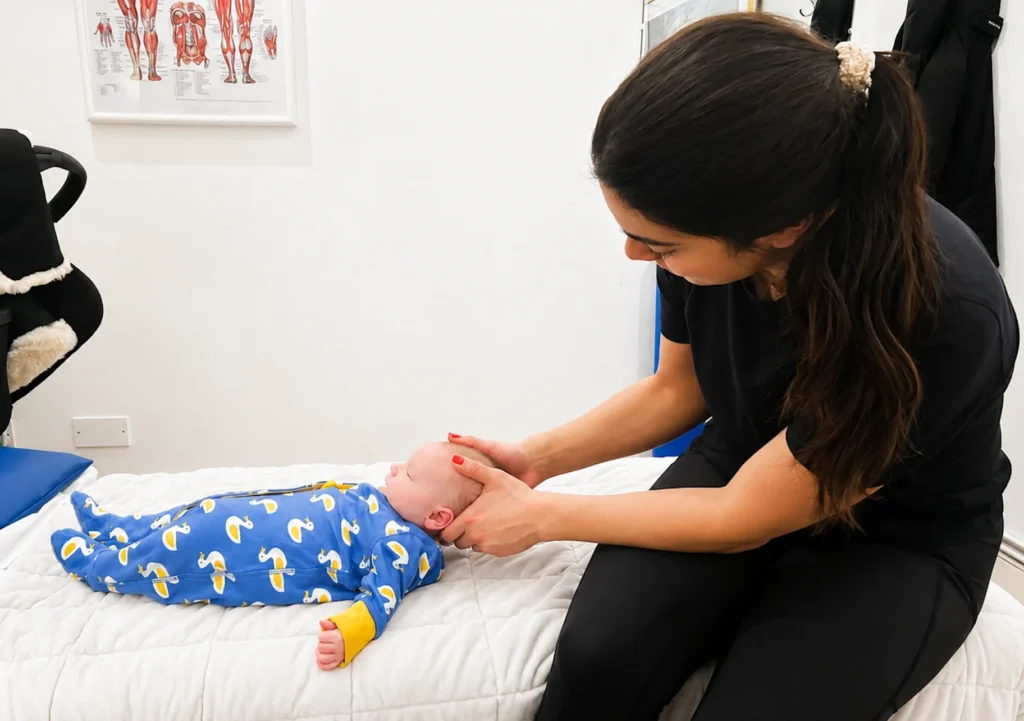
At The Forge Clinic, our Paediatric Cranial Osteopathy service provides a gentle, hands-on approach designed specifically for babies and young children. Using subtle Osteopathic techniques, we aim to support comfort, movement and overall wellbeing while helping parents better understand their child’s needs.
Our experienced Osteopath works closely with families to provide personalised care in a calm, supportive and child-friendly environment.
We welcome families from Richmond, Kew, Sheen, Ham, Twickenham, Mortlake, St Margarets and Petersham.
Service
What Is Paediatric Cranial Osteopathy?
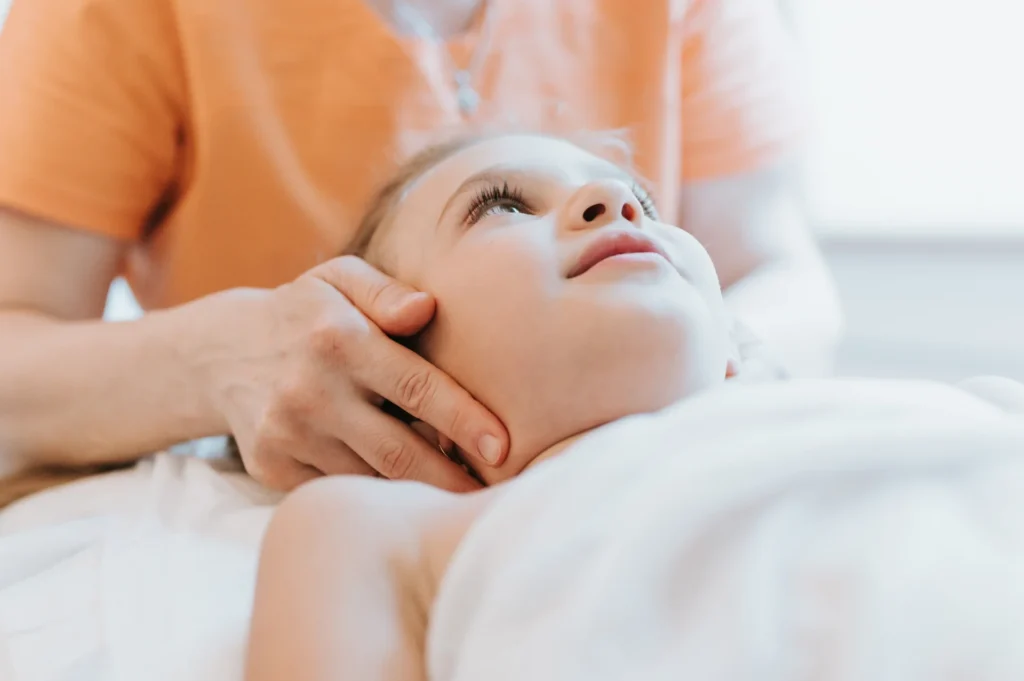
Paediatric Cranial Osteopathy is a specialist branch of osteopathy that uses gentle, precise hands-on techniques to assess and support the body’s natural movement and function.
Treatment is tailored specifically for babies and young children and involves light-touch techniques designed to encourage comfort and ease throughout the body.
Parents often seek cranial osteopathy following:
- Assisted deliveries
- Long or difficult labours
- Caesarean birth
- Feeding difficulties
- Digestive discomfort
- Sleep disturbances
- Head shape concerns
Every child is different, and treatment is always adapted to their individual presentation and needs.
Approach
When Might Paediatric Cranial Osteopathy Help?
Every baby develops differently, and parents often seek osteopathic assessment when they notice areas of tension, discomfort, or movement restriction. Paediatric Cranial Osteopathy may be considered for babies experiencing:
Feeding Difficulties
Some babies may experience:
- Difficulty latching
- Feeding on one side only
- Fussiness during feeds
- Jaw, neck, or body tension associated with feeding
- Tension associated with tongue tie (ankyloglossia)
Assessment focuses on identifying areas of restriction that may be contributing to feeding challenges.
Flat Head Syndrome (Plagiocephaly)
Positional flattening of the head can occur when babies spend prolonged periods in one position.
We assess:
- Head shape asymmetry
- Neck mobility
- Positional preferences
- Associated movement restrictions
Where appropriate, treatment may be combined with practical positioning advice for parents.
Torticollis And Positional Preference
Some babies develop a preference for turning their head to one side or show signs of neck stiffness.
Assessment may help identify:
- Restricted neck movement
- Muscle tension
- Positional habits that may affect comfort and development
Birth Strain And General Body Tension
The birth process can place physical demands on a baby’s body.
Parents may seek assessment for:
- General body tension
- Neck stiffness
- Discomfort during handling
- Reduced ease of movement
- Tension associated with intrauterine positioning or compression
Colic, Reflux And Digestive Discomfort
Babies experiencing digestive discomfort may present with:
- Excessive crying or unsettled behaviour
- Reflux symptoms
- Wind and trapped gas
- Constipation
- Feeding-related irritability
Osteopathic assessment aims to identify factors that may be contributing to discomfort and support overall wellbeing.
Sleep And Settling Difficulties
Some babies may experience:
- Difficulty settling
- Frequent waking
- Restlessness
- Discomfort when lying down
Assessment may help identify areas of tension or discomfort that could be affecting sleep and relaxation.
Growing Pains And Childhood Musculoskeletal Discomfort
As children grow, they may experience aches, pains, or movement-related discomfort.
Osteopathic assessment can help identify factors affecting comfort, mobility, and movement patterns.
You apppointment
What Happens During An Appointment?
Detailed Initial Assessment
Your appointment begins with a thorough discussion about:
- Pregnancy history
- Birth experience
- Feeding patterns
- Sleeping habits
- Developmental milestones
- Current concerns
This helps build a complete picture of your baby’s health, comfort and wellbeing.
Gentle Physical Examination
Your Osteopath will gently assess:
- Posture
- Movement
- Head shape
- Neck mobility
- General comfort and development
- Any asymmetries or areas of restriction
Babies are encouraged to remain comfortable throughout the assessment and may stay in a parent’s arms when appropriate.
Treatment
Treatment uses very gentle hands-on manual therapy techniques and is adapted to your baby’s age, comfort and individual needs.
Most babies remain relaxed throughout treatment, while others may feed, sleep or interact normally during the session.
Advice For Parents
You may also receive guidance on:
- Positioning
- Handling techniques
- Feeding positions and support strategies
- Tummy time
- Developmental activities
- Movement exercises where appropriate, such as exercises to support plagiocephaly, gross and fine motor development, or tension associated with tongue tie
- Advice around digestive comfort and gut-related concerns
- Referral recommendations where further assessment may be needed, such as suspected allergies, scoliosis, plagiocephaly, craniosynostosis, or other more serious concerns
The aim is to help you understand your baby’s assessment findings and provide practical, supportive advice for home care where appropriate.
Treatment Safety
Is Paediatric Cranial Osteopathy Safe?
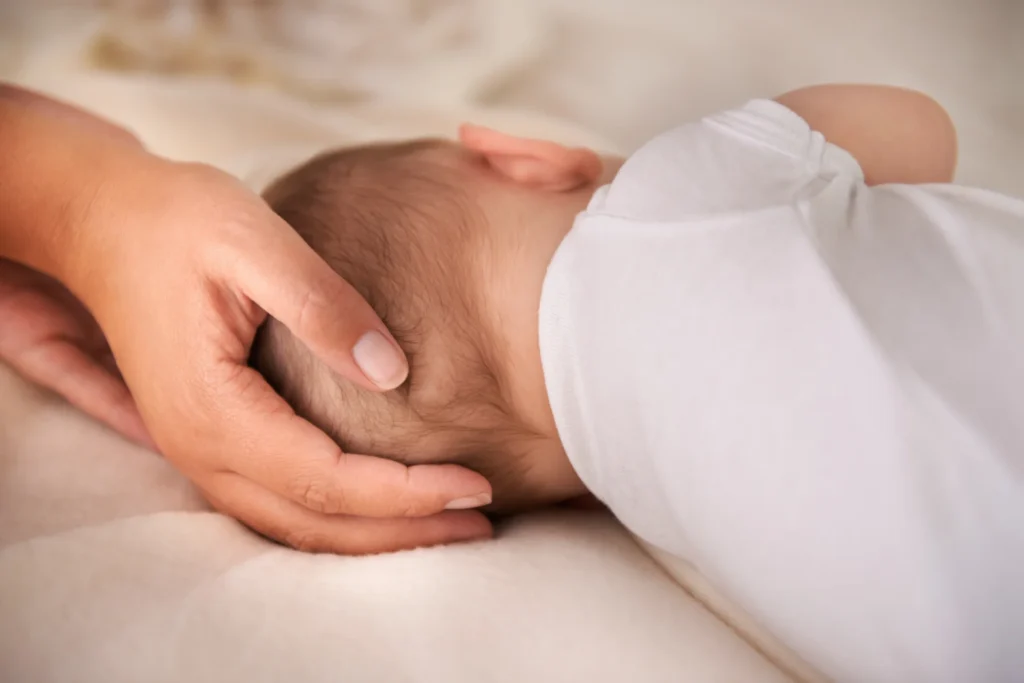
Paediatric Cranial Osteopathy uses gentle techniques specifically adapted for babies and young children.
Your Osteopath will conduct a thorough assessment and discuss whether treatment is appropriate for your child. If any symptoms require further medical investigation, you will be advised accordingly and referred to the appropriate healthcare professional.
Why The Forge Clinic
Why Choose The Forge Clinic?
01
Experienced Paediatric Osteopathic Care
Our practitioners understand the unique needs of babies, young children and their families.
02
Child-Friendly Environment
Appointments are designed to be relaxed, supportive and centred around your child’s comfort.
03
Individualised Treatment
Every baby develops differently. We tailor assessment and treatment plans to your child’s specific needs rather than following a standardised approach.
04
Evidence-Informed Practice
Our clinical approach is guided by recognised healthcare standards and informed by current best practice.
05
Multidisciplinary Support
Where appropriate, families may also benefit from access to other services at The Forge Clinic, including:
FAQs
Frequently Asked Questions
What age can babies be treated?
Babies can be assessed and treated from the newborn stage onwards.
Does treatment hurt?
No. Paediatric Cranial Osteopathy uses extremely gentle techniques specifically adapted for babies and young children.
Can I stay with my baby during treatment?
Absolutely. Parents remain with their child throughout the appointment.
How many sessions will my baby need?
This varies depending on your child’s presentation and individual needs. Recommendations will be discussed following assessment.
Do I need a referral?
No. You can book directly with our Paediatric Cranial Osteopathy service without a referral.