
Condition
What Is Arthritis?
Arthritis is a broad term used to describe conditions that affect the joints. It can cause pain, stiffness, swelling and reduced movement.
The most common form is osteoarthritis, which occurs when joint cartilage gradually changes over time. Other inflammatory forms of arthritis include rheumatoid arthritis, psoriatic arthritis and ankylosing spondylitis.
Arthritis can affect almost any joint in the body but is particularly common in the:
- Knees
- Hips
- Hands
- Feet
- Shoulders
- Spine
- Neck
Many people worry that arthritis means they should stop exercising or avoid activity. In reality, appropriate movement and exercise are among the most effective ways to manage symptoms and maintain joint health.
Symptoms
Common Symptoms of Arthritis
Symptoms vary depending on the type of arthritis and the joints involved.
Common symptoms include:
- Joint pain
- Reduced confidence with movement
- Reduced mobility
- Clicking or grinding sensations
- Aching after activity
- Difficulty walking
- Joint weakness
- Reduced balance
- Joint swelling
- Difficulty climbing stairs
- Fatigue
- Pain when standing from sitting
- Morning stiffness
- Reduced confidence with movement
- Loss of strength and function
Symptoms may fluctuate, with some people experiencing periods where symptoms are more noticeable than others.
What We Treat
Types of Arthritis We Treat
Our team supports patients living with a wide range of arthritic conditions.
Osteoarthritis
Osteoarthritis is the most common form of arthritis and can affect the knees, hips, hands, spine, shoulders and other joints. Treatment focuses on reducing pain, improving strength and maintaining mobility.
Knee Arthritis
Knee arthritis commonly causes pain, stiffness and reduced walking tolerance. Rehabilitation focuses on improving strength, balance and overall function.
Hip Arthritis
Hip arthritis can affect walking, exercise and daily activities. Targeted exercise programmes can help improve mobility and reduce symptoms.
Inflammatory Arthritis
We support patients living with inflammatory conditions such as:
- Rheumatoid arthritis
- Psoriatic arthritis
- Ankylosing spondylitis
Working alongside your wider healthcare team, we help optimise movement, strength and physical function.
Post Joint Replacement Rehabilitation
We also support recovery following:
- Hip replacement surgery
- Knee replacement surgery
- Shoulder replacement surgery
- Ankle replacement surgery
Rehabilitation focuses on restoring mobility, strength and confidence.
Shoulder Arthritis
Shoulder arthritis can lead to pain, stiffness and difficulty with overhead activities. Treatment focuses on maintaining movement and function.
Spinal Arthritis
Arthritic changes within the neck and lower back may contribute to stiffness, pain and reduced movement.
Causes
What Causes Arthritis?
Arthritis develops for a variety of reasons depending on the specific diagnosis.
Risk factors may include:
Although some risk factors cannot be changed, many symptoms can be effectively managed through conservative treatment.
Assessment Process
How We Assess Arthritis
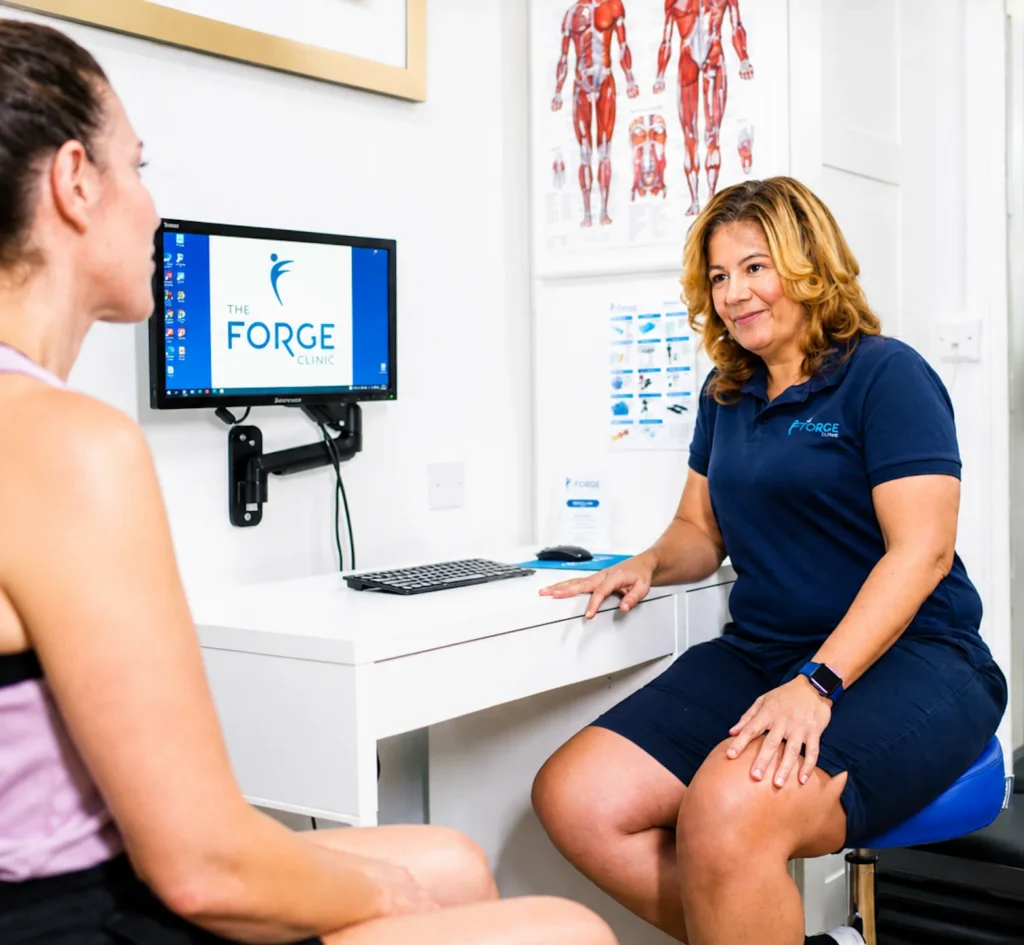
Your assessment begins with a detailed discussion about your symptoms, medical history and lifestyle.
We may assess:
- Joint movement
- Strength
- Walking ability
- Balance
- Functional activities
- Exercise tolerance
- Mobility restrictions
- Activity levels
This helps us understand how arthritis is affecting your daily life and guides the most appropriate treatment plan.
Treatment
Treatment for Arthritis in Richmond
Treatment is tailored to your individual symptoms, goals and level of activity.
01
Physiotherapy for Arthritis
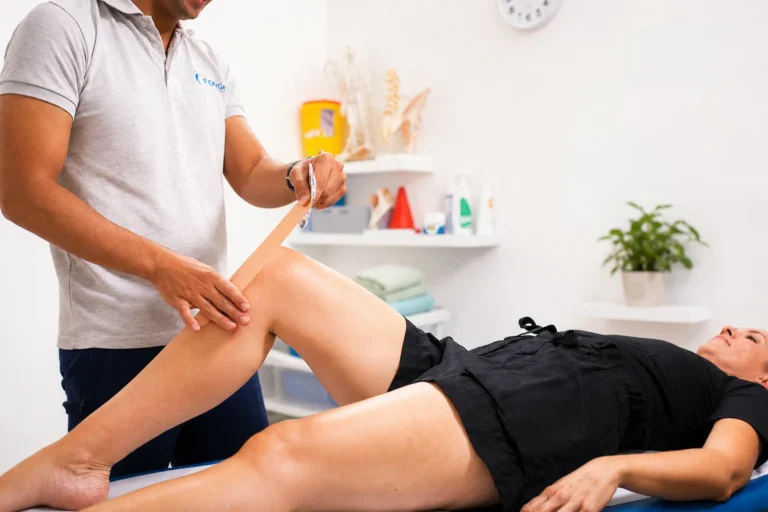
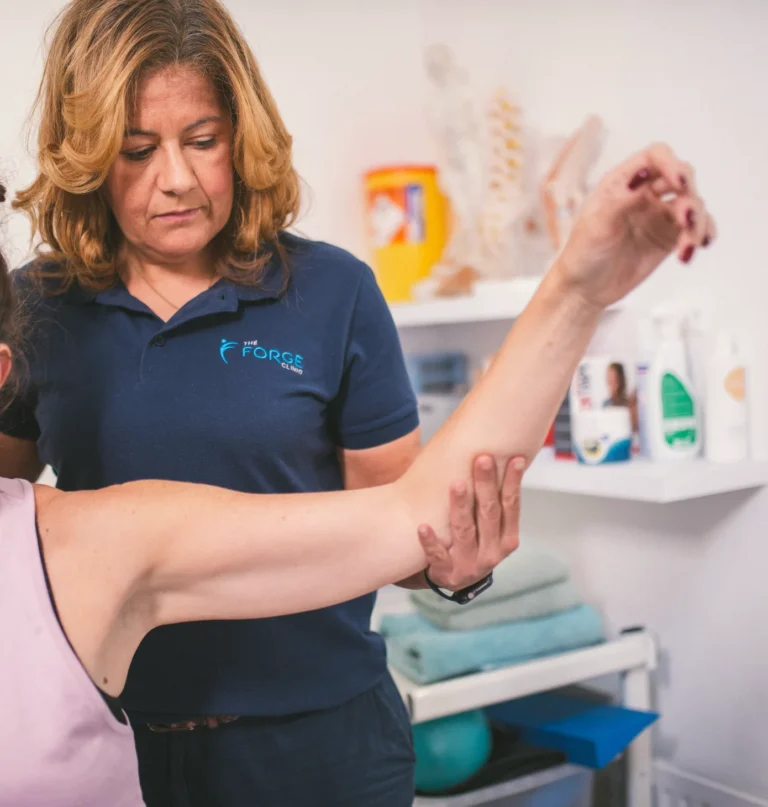
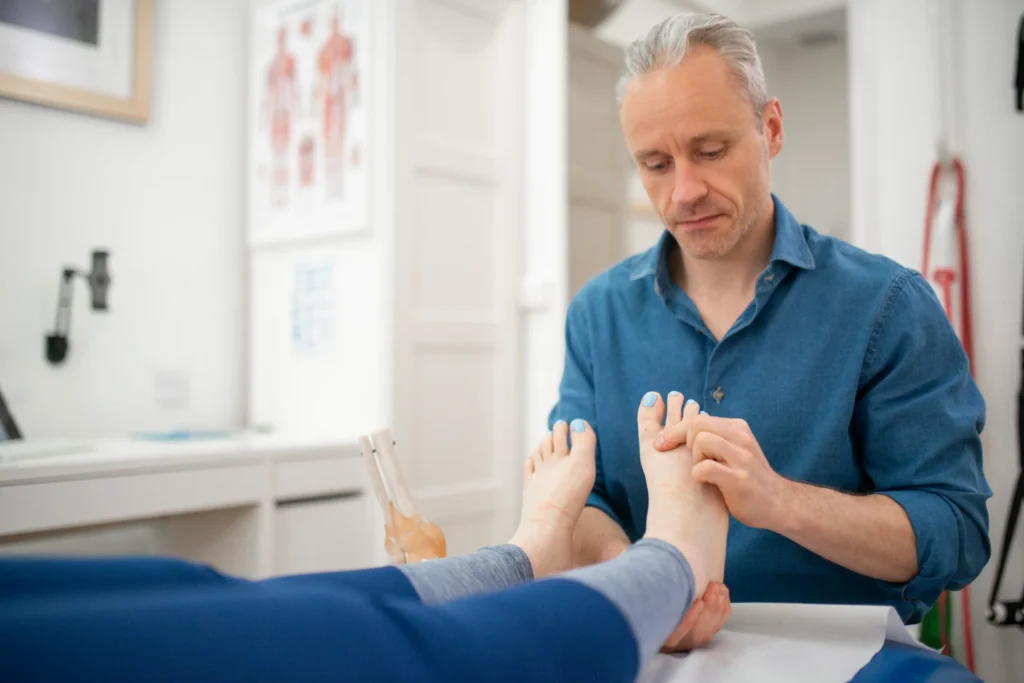
Physiotherapy is one of the most effective evidence-based treatments for arthritis. It can help improve strength, mobility, balance and confidence while reducing pain.
02
Osteopathy for Arthritis
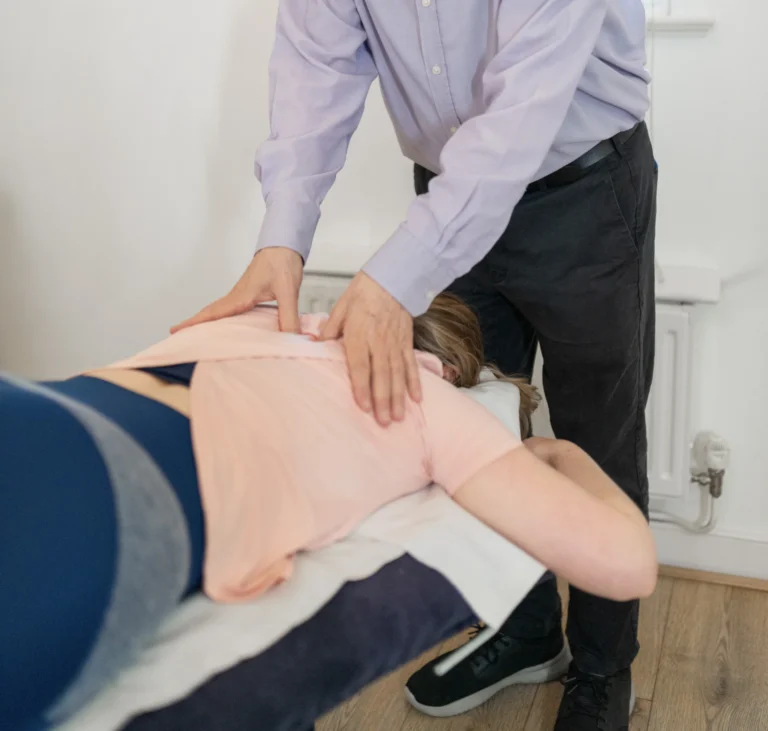
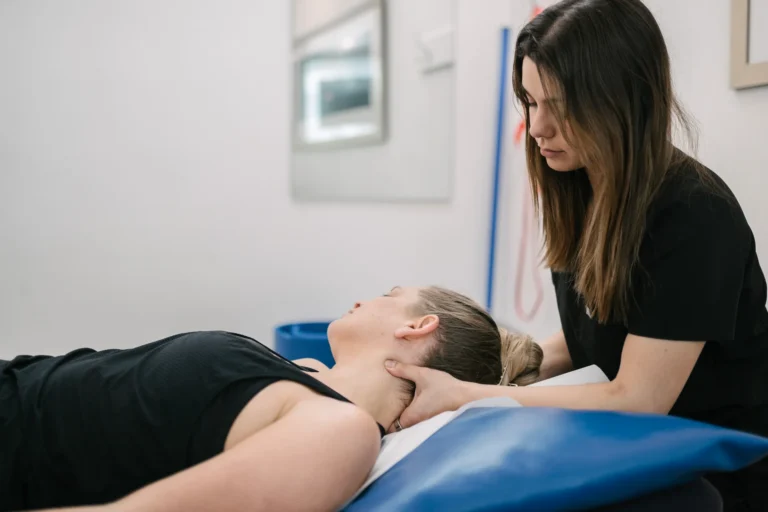
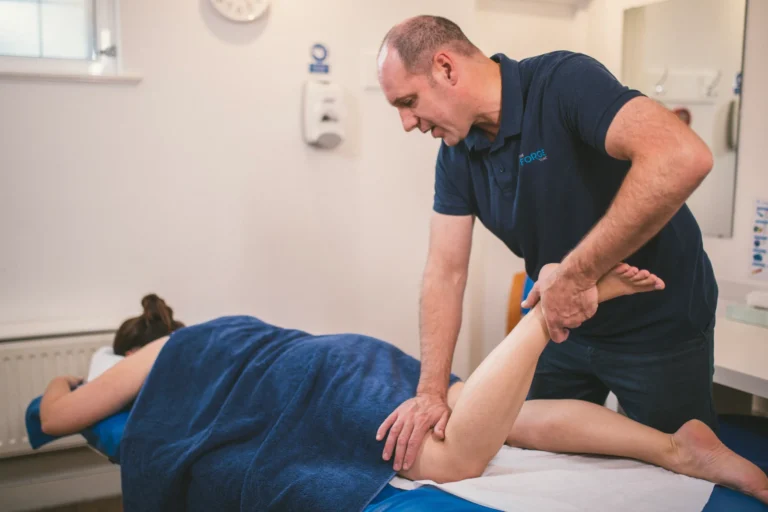
Osteopathy may help improve joint mobility, reduce muscular tension and support comfortable movement.
03
Exercise Rehabilitation
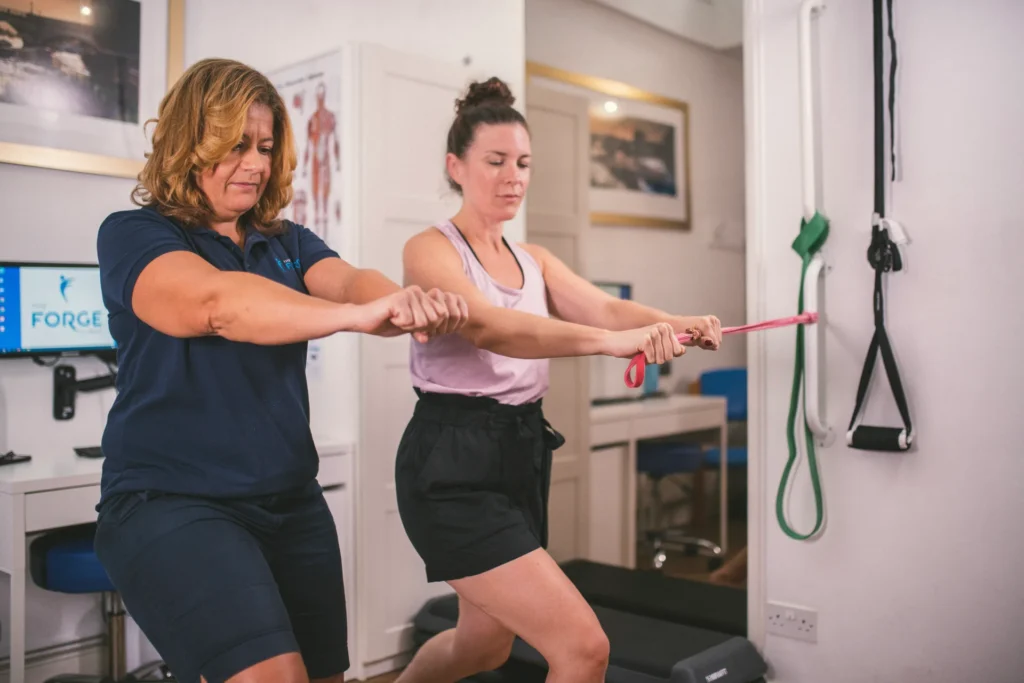
Exercise is widely recognised as one of the most effective ways to manage arthritis symptoms.
Your programme may include:
- Strength training
- Mobility exercises
- Balance training
- Walking programmes
- Functional rehabilitation
- Activity progression
04
Lifestyle Advice and Education
Education is a key component of successful arthritis management. We help patients understand:
- Safe exercise strategies
- Joint protection techniques
- Activity modification
- Long-term symptom management
- Maintaining independence
Movement Matters
Why Exercise Is Important for Arthritis
Many people worry that exercise will worsen arthritis. In reality, appropriately prescribed exercise can:
- Reduce pain
- Improve mobility
- Strengthen supporting muscles
- Improve balance
- Support healthy joints
- Improve confidence
- Enhance quality of life
Our clinicians will guide you through a programme appropriate for your condition and goals.
Why The Forge Clinic
Why Choose The Forge Clinic?
The Forge Clinic provides evidence-based arthritis management in Richmond through a collaborative multidisciplinary approach.
Patients choose us because we offer:
- Experienced Physiotherapists and Osteopaths
- Individualised rehabilitation plans
- Strength and mobility programmes
- Support for long-term symptom management
- Post-surgical rehabilitation expertise
- Convenient Richmond location
Team
Meet The Team
Our multidisciplinary team works together to help patients manage arthritis, improve mobility and maintain an active lifestyle.
FAQs
Frequently Asked Questions
Can arthritis be cured?
There is currently no cure for most forms of arthritis, but symptoms can often be managed very effectively with appropriate treatment and lifestyle strategies.
Should I exercise if I have arthritis?
Yes. Exercise is one of the most effective treatments for arthritis and is recommended by national clinical guidelines.
Does arthritis always get worse?
Not necessarily. Many people successfully manage symptoms and maintain an active lifestyle for many years with the right support.
Can Physiotherapy help arthritis?
Yes. Physiotherapy can help reduce pain, improve strength, increase mobility and support long-term function.
Is walking good for arthritis?
Walking is often beneficial for many people with arthritis, although programmes should be tailored to individual symptoms and tolerance levels.
When should I seek treatment?
If arthritis is affecting your mobility, independence, exercise or quality of life, assessment and rehabilitation can help improve symptoms and function.