Service
Specialist Support for Pelvic and Pregnancy Concerns
Many women experience pelvic health concerns, bladder symptoms, pelvic pain or pregnancy-related conditions at some point in their lives. Unfortunately, these symptoms are often dismissed as a normal consequence of pregnancy, childbirth or ageing, leaving many women struggling in silence.
At The Forge Clinic, we provide specialist Women’s Health Physiotherapy in Richmond to help women regain confidence, improve function and return to the activities they enjoy. Our evidence-based approach combines expert assessment, personalised rehabilitation and ongoing support to address a wide range of pelvic health conditions.
Whether you are experiencing bladder leakage, pelvic floor weakness, prolapse symptoms, pelvic pain, pregnancy-related discomfort or postnatal recovery challenges, our team is here to help.
We welcome patients from Richmond, Kew, Sheen, Ham, Twickenham, Mortlake, St Margarets and Petersham.
Service
What Is Women's Health Physiotherapy?
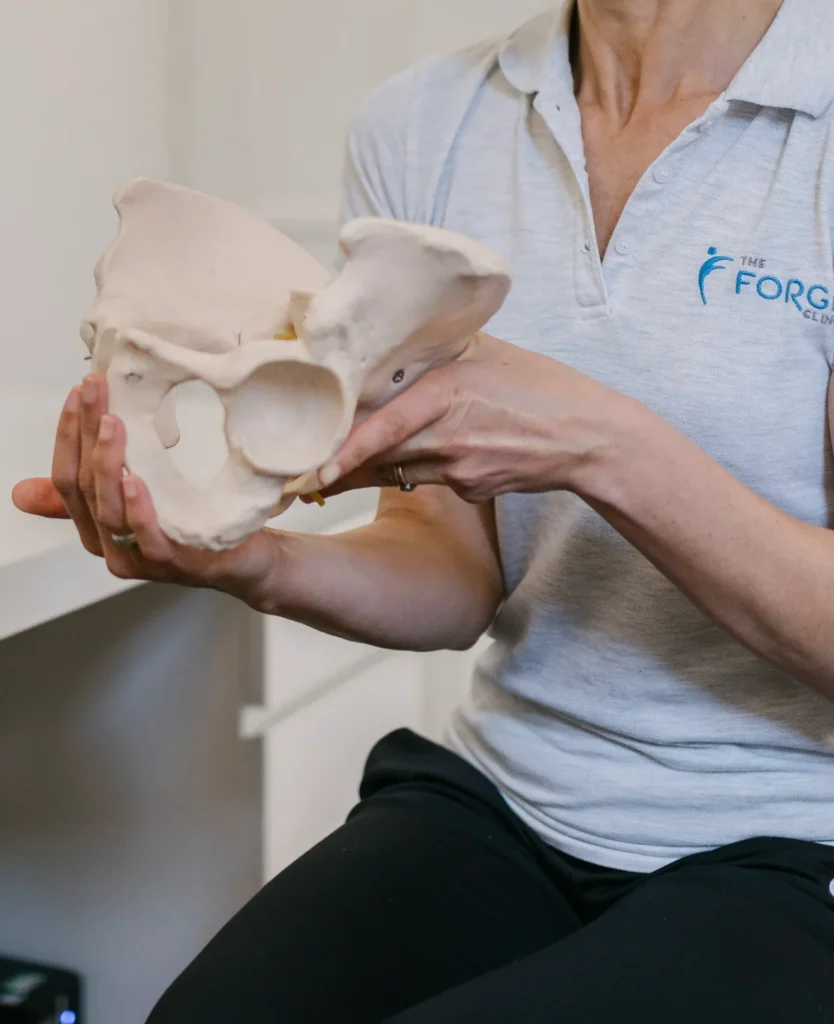
Women’s Health Physiotherapy is a specialist area of physiotherapy that focuses on conditions affecting the pelvic floor, bladder, bowel, pregnancy, postnatal recovery and female musculoskeletal health.
The pelvic floor plays a vital role in supporting the bladder, bowel and reproductive organs. When these muscles become weak, overactive or poorly coordinated, a wide range of symptoms can develop.
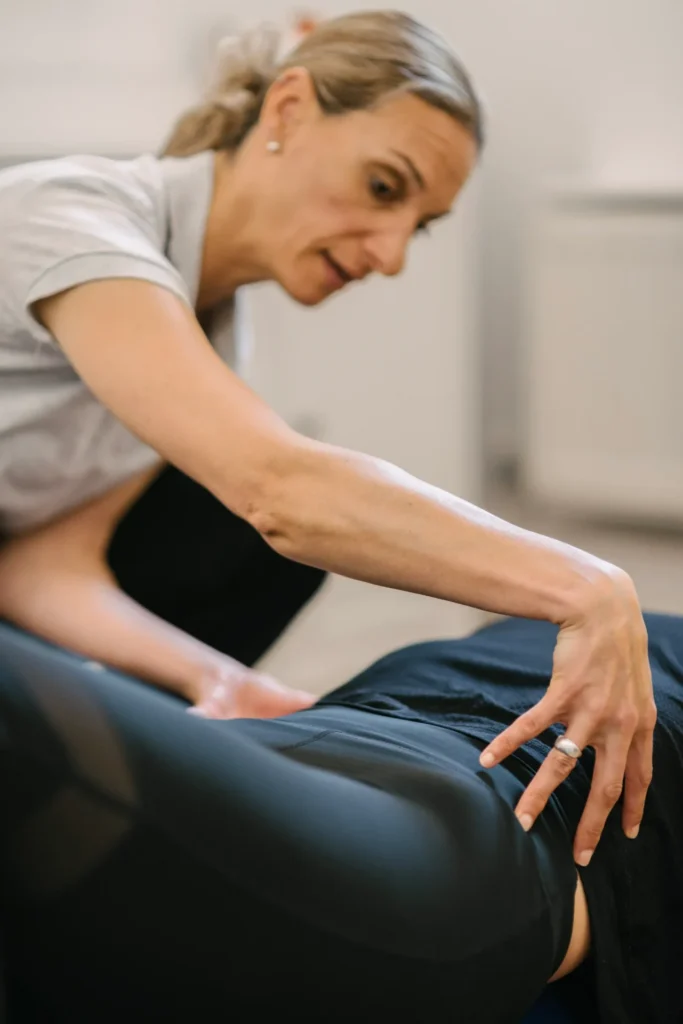
Our Women’s Health Physiotherapy service provides a thorough assessment to identify the underlying causes of your symptoms and create a tailored treatment plan designed around your individual needs and goals.
Condition
Conditions We Treat
Urinary Incontinence
Bladder leakage affects millions of women and can occur during:
- Exercise
- Running
- Jumping
- Coughing
- Sneezing
- Laughing
While common, urinary incontinence is not something you simply have to accept.
Our Women’s Health Physiotherapists can assess and treat:
- Stress urinary incontinence
- Urge incontinence
- Mixed incontinence
- Postnatal bladder dysfunction
- Exercise-related leakage
Overactive Bladder
Overactive bladder symptoms may include:
- Frequent urination
- Sudden urgency
- Night-time waking
- Difficulty reaching the toilet in time
Treatment focuses on improving bladder control and reducing the impact of symptoms on daily life.
Bowel Dysfunction And Bowel Incontinence
Pelvic floor dysfunction can affect bowel control as well as bladder function.
We can help assess and manage:
- Bowel urgency
- Bowel leakage
- Difficulty emptying
- Pelvic floor coordination problems
Pelvic Floor Muscle Disorders
The pelvic floor is a complex group of muscles that support the pelvic organs and contribute to continence, stability and sexual function.
Problems may include:
- Weakness
- Muscle overactivity
- Poor coordination
- Pelvic floor pain
- Reduced endurance
Targeted rehabilitation can significantly improve symptoms and function.
Pelvic Organ Prolapse
Pelvic organ prolapse occurs when the support structures within the pelvis become weakened, allowing one or more pelvic organs to descend.
Symptoms may include:
- Vaginal heaviness
- Pressure sensations
- Bulging
- Bladder symptoms
- Reduced exercise tolerance
Many women benefit from physiotherapy-led prolapse management and pelvic floor rehabilitation.
Chronic Pelvic Pain
Persistent pelvic pain can have a significant impact on quality of life.
Our assessment may help identify contributing factors including:
- Pelvic floor tension
- Musculoskeletal dysfunction
- Movement restrictions
- Previous pregnancy or birth trauma
- Postural issues
Treatment aims to reduce pain and improve everyday function.
Vulvodynia
Vulvodynia is persistent vulval pain that can affect sitting, exercise and intimacy.
Treatment may focus on:
- Pelvic floor relaxation
- Pain management
- Movement rehabilitation
- Education and self-management strategies
Interstitial Cystitis And Bladder Pain Syndrome
Women experiencing chronic bladder pain often benefit from specialist pelvic health assessment and treatment.
We provide evidence-based management strategies to help reduce symptoms and improve quality of life.
Pregnancy Care
Pregnancy Physiotherapy
Pregnancy places significant physical demands on the body.
Our Women’s Health Physiotherapy service can help women manage pregnancy-related symptoms and remain active throughout pregnancy.
Pelvic Girdle Pain
Pain affecting the pelvis, hips, lower back, ribs, and thoracic area is common during pregnancy.
Treatment may help improve:
- Walking
- Sleep quality
- Daily activities
- Exercise participation
Pelvic Floor Preparation For Birth
Understanding how the pelvic floor functions during labour can help women feel more confident and prepared for delivery.
We provide education and guidance around:
- Breathing strategies
- Pelvic floor awareness
- Labour preparation
- Exercise during pregnancy
- Perineum stretching
- Pushing practice
Pregnancy-Related Bladder Symptoms
Many women experience bladder changes during pregnancy.
Assessment and treatment can help improve pelvic floor function and support long-term pelvic health.
Recovery
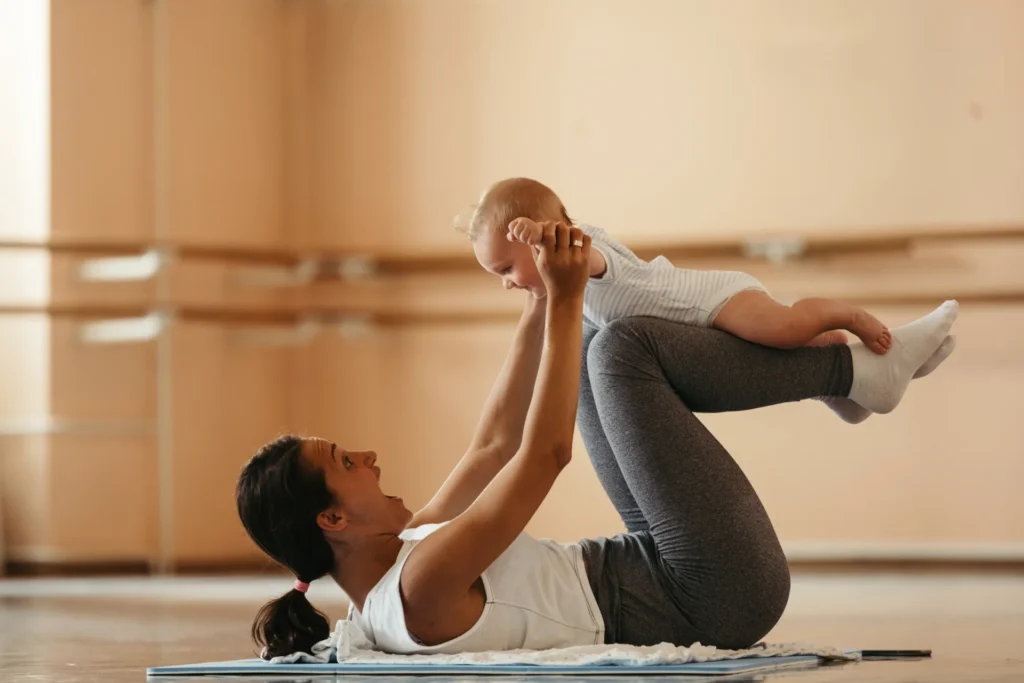
Postnatal Recovery And Rehabilitation
Recovery after childbirth is unique to every woman.
Our Women’s Health Physiotherapy service supports women following both vaginal and Caesarean deliveries.
We commonly help with:
- Pelvic floor weakness
- Bladder leakage
- Pelvic pain
- Core weakness
- Return to exercise
- Scar management
- Diastasis Recti
- Pelvic girdle pain
Women seeking a comprehensive postpartum review may also benefit from our dedicated Post-Natal Assessment service.
You apppointment
What Happens During A Women's Health Physiotherapy Appointment?
Initial Consultation
Your appointment begins with a detailed discussion about:
- Your symptoms
- Medical history
- Pregnancy and birth history
- Exercise goals
- Lifestyle factors
- Current concerns
We understand that many women feel nervous discussing intimate symptoms and provide a supportive, confidential environment throughout.
Physical Assessment
Your physiotherapist may assess:
- Posture
- Movement patterns
- Core stability
- Breathing mechanics
- Pelvic alignment
- Functional strength
Pelvic Floor Assessment
Where clinically appropriate and with your consent, an internal pelvic floor assessment may be offered.
This allows us to evaluate:
- Pelvic floor strength
- Endurance
- Coordination
- Muscle tension
- Pelvic floor function
- Pelvic floor relaxation
- Organ movement
- Perineum health
Internal examinations are always optional and fully discussed beforehand.
Treatment
Treatment Options
Treatment plans are tailored to your symptoms, goals and assessment findings.
01
Pelvic Floor Rehabilitation
Personalised pelvic floor exercise programmes help improve:
- Strength
- Endurance
- Coordination
- Symptom control
- Relaxation
02
Manual Therapy
Hands-on treatment may be used where appropriate to address:
- Muscle tension
- Joint restrictions
- Pelvic discomfort
- Pregnancy-related pain
03
Lifestyle Recommendations
Practical advice may include:
- Bladder management strategies
- Fluid intake guidance
- Exercise modification
- Bowel health support
- Advice for prolapse
- General pelvic floor rehabilitation
04
Exercise Prescription
Targeted rehabilitation exercises help restore:
- Core stability
- Pelvic floor function
- Strength
- Confidence in movement
05
Education And Support
Understanding your condition is often a key part of successful treatment. We ensure you leave each appointment with clear guidance and practical strategies you can apply in everyday life.
Why The Forge Clinic
Why Choose The Forge Clinic?
01
Specialist Pelvic Health Expertise
We understand the unique challenges women face during pregnancy, postnatal recovery and throughout different life stages.
02
Evidence-Based Treatment
Our approach follows recognised professional guidance including:
- NICE Guidelines
- POGP (Pelvic, Obstetric and Gynaecological Physiotherapy)
03
Personalised Care
Every assessment and treatment plan is tailored to the individual rather than following a one-size-fits-all approach.
04
Multidisciplinary Clinic
Where appropriate, your care can be supported by our wider team, including:
05
Convenient Richmond Location
We regularly help women from Richmond and surrounding areas including Kew, Sheen, Ham, Twickenham, Mortlake, St Margarets and Petersham.
FAQs
Frequently Asked Questions
Do I need a referral?
No. You can book directly with our Women’s Health Physiotherapy service without a referral.
Is bladder leakage normal after childbirth?
Although common, bladder leakage is not considered normal and can often be improved significantly with appropriate treatment.
Is an internal examination required?
No. Internal examinations are only performed when clinically appropriate and with your full consent.
Can Physiotherapy help with prolapse?
Yes. Physiotherapy is often one of the first recommended treatment approaches for pelvic organ prolapse.
Can I attend if I had my baby several years ago?
Absolutely. Many women seek treatment months or even years after childbirth and still achieve excellent outcomes.