Condition
Understanding Hip Pain
The hip is a complex joint that absorbs significant forces during walking, running, sport and everyday movement. Pain can originate from the hip joint itself, surrounding muscles and tendons, the pelvis, lower back or nearby nerves.
Because several structures can refer pain into the hip region, accurate diagnosis is essential to ensure the right treatment plan.
Symptoms
Common Symptoms of Hip Pain
Symptoms vary depending on the underlying cause but may include:
- Pain in the groin
- Pain on the outside of the hip
- Buttock pain
- Difficulty walking long distances
- Stiffness after sitting
- Clicking or catching sensations
- Pain during exercise
- Reduced hip mobility
- Pain climbing stairs
- Difficulty putting on shoes and socks
- Pain lying on one side
- Weakness around the hip
- Reduced balance and stability
Causes
Common Causes of Hip Pain
Hip pain can arise from a variety of conditions, including:
Hip Osteoarthritis
Age-related changes within the hip joint can lead to stiffness, reduced mobility and pain during walking, standing and exercise.
Gluteal Tendinopathy
A common cause of pain on the outside of the hip, often aggravated an increase in walking duration or frequency, climbing stairs, running or lying on the affected side.
Greater Trochanteric Pain Syndrome (GTPS)
A condition involving irritation of the tendons and structures around the outer hip.
Femoroacetabular Impingement (FAI)/ Hip Impingement
Hip impingement occurs when the shape of the hip joint causes abnormal contact during movement, potentially leading to pain and reduced mobility.
Labral Injuries
The labrum helps provide stability within the hip joint. Injury may cause groin pain, clicking, locking or reduced function.
Muscle Strains
Strains affecting the hip flexors, adductors, gluteal muscles or hamstrings can occur during sport, following a trauma, or sudden increases in activity.
Bursitis
Inflammation of small fluid-filled sacs around the hip can cause local tenderness and discomfort.
Referred Pain
Pain originating from the lower back, pelvis or surrounding nerves may present as hip pain despite the hip joint itself being healthy.
Assessment Process
How We Assess Hip Pain
At The Forge Clinic, we take a thorough approach to diagnosis.
Your assessment may include:
- Detailed medical history
- Movement assessment
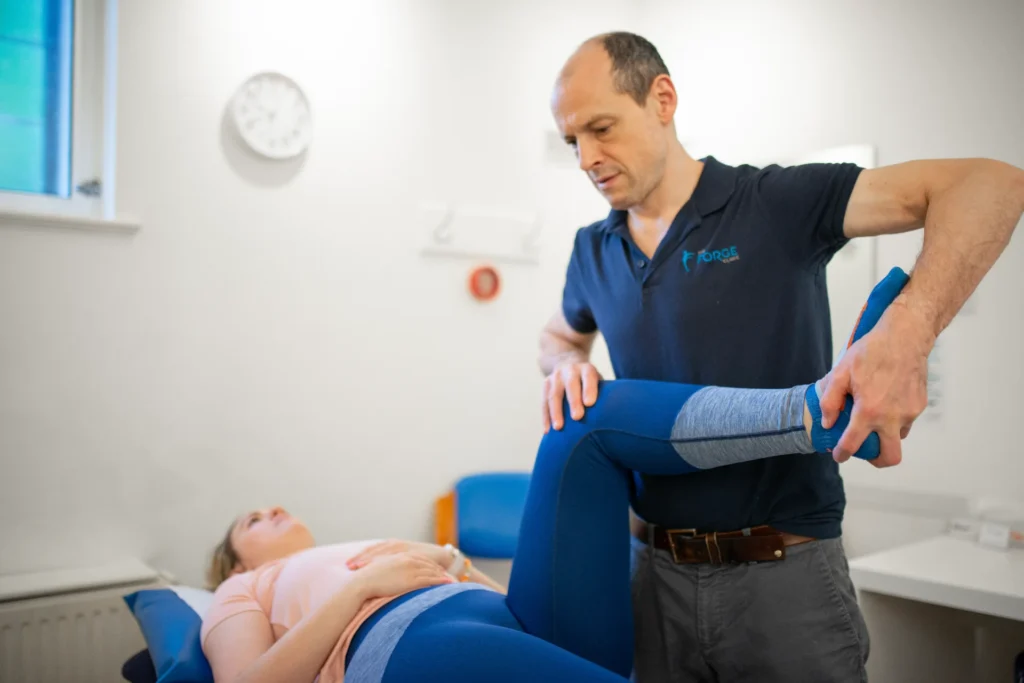
- Hip mobility testing
- Strength testing
- Functional movement analysis
- Walking and gait assessment
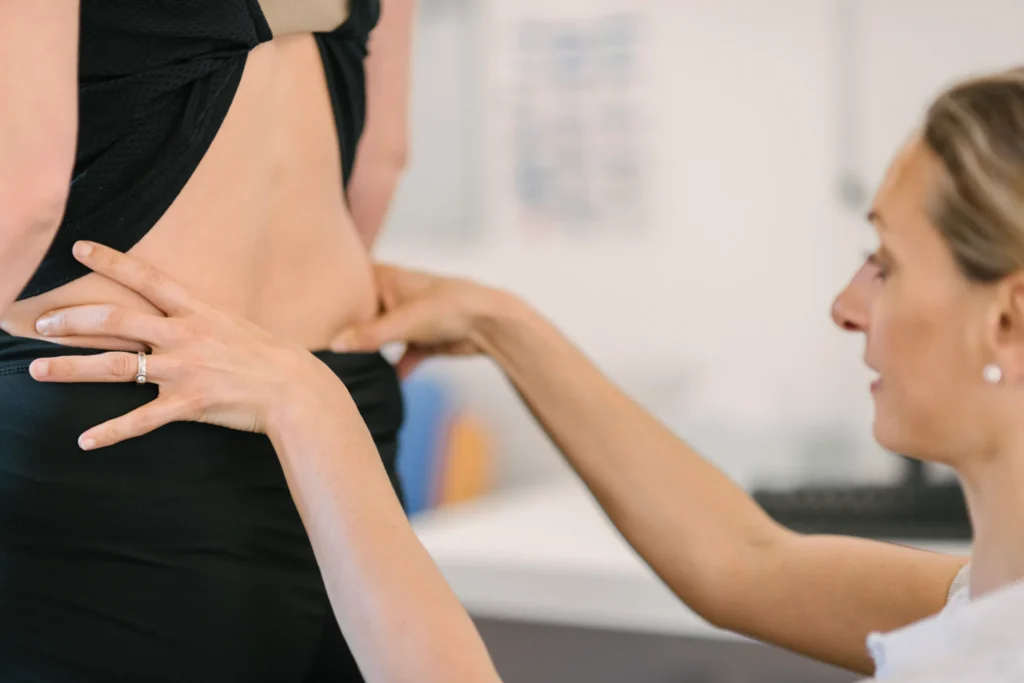
- Lower back examination
- Sport-specific assessment where appropriate
This allows us to identify the source of your symptoms and develop a personalised treatment plan.
Treatment
Hip Pain Treatment in Richmond
01
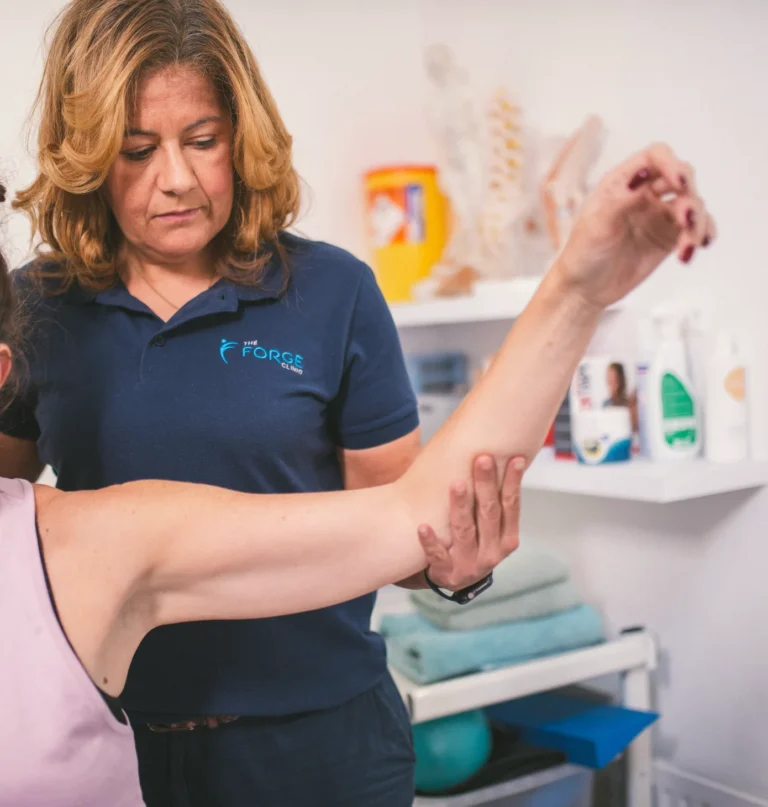
Physiotherapy
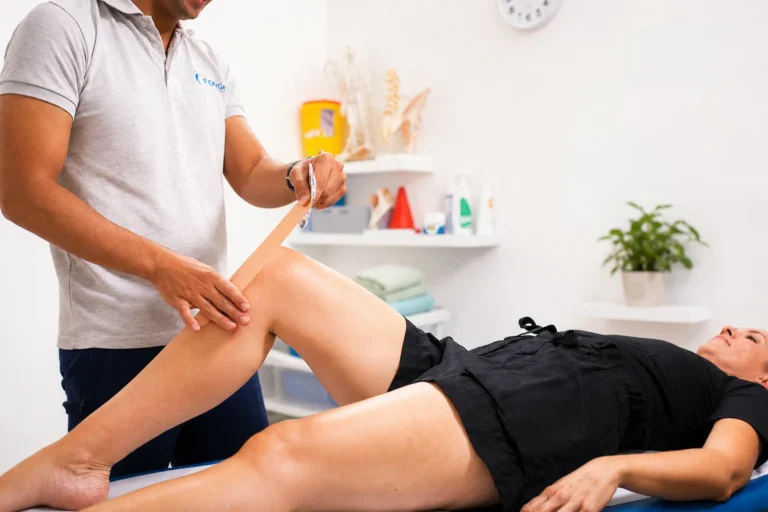
Physiotherapy focuses on reducing pain, restoring movement and rebuilding strength around the hip.
Treatment may include:
- Strengthening programmes
- Mobility exercises
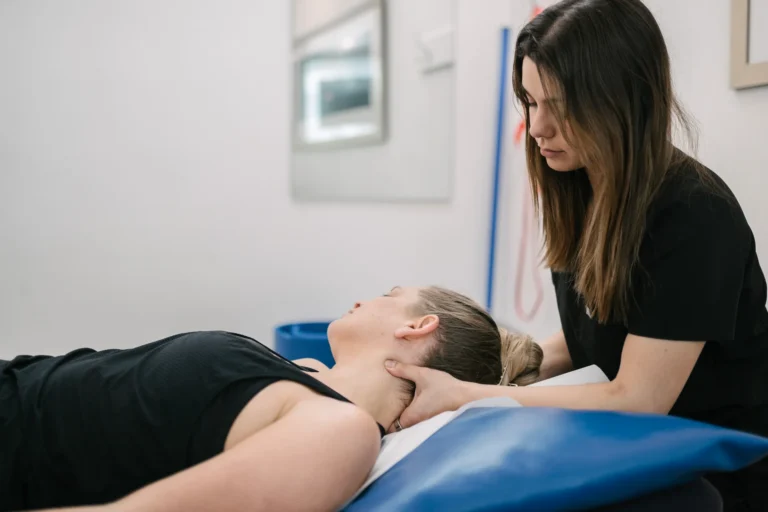
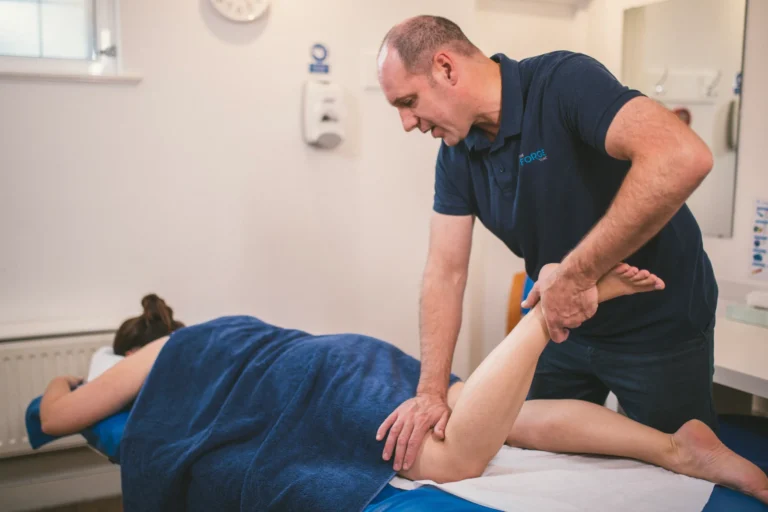
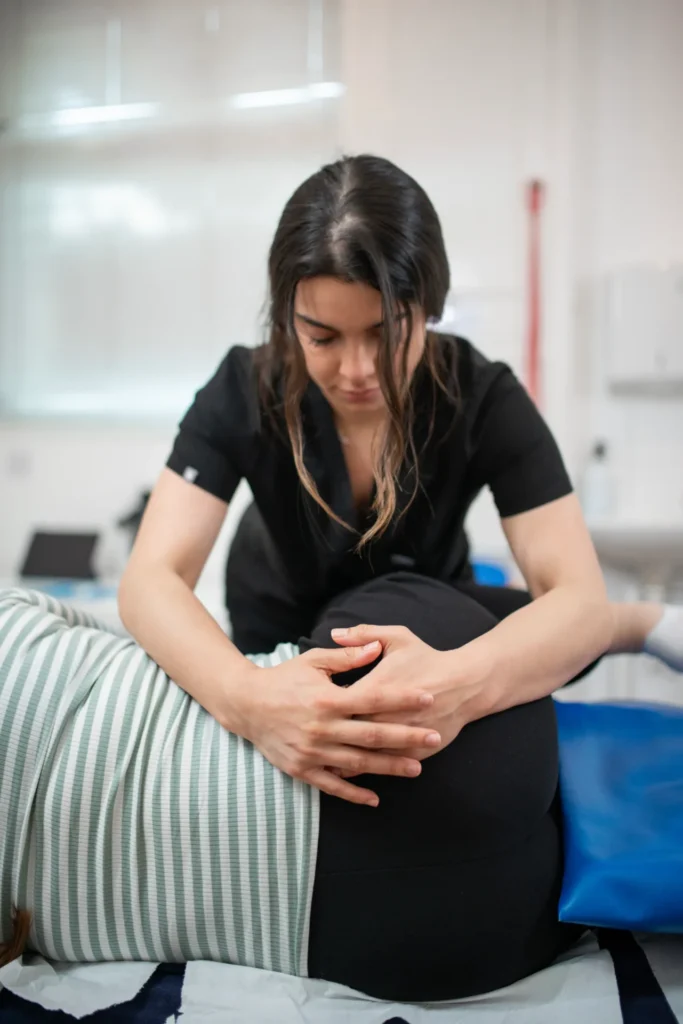
- Manual therapy
- Movement retraining
- Functional rehabilitation
- Return-to-sport planning
- Shockwave Therapy for GTPS
02
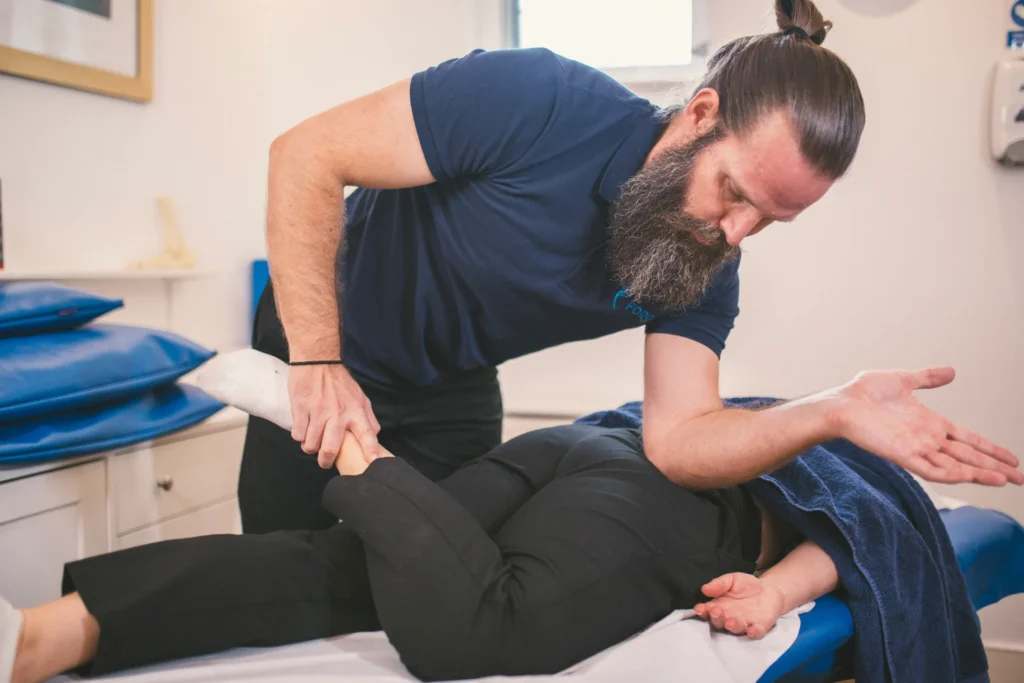
Osteopathy
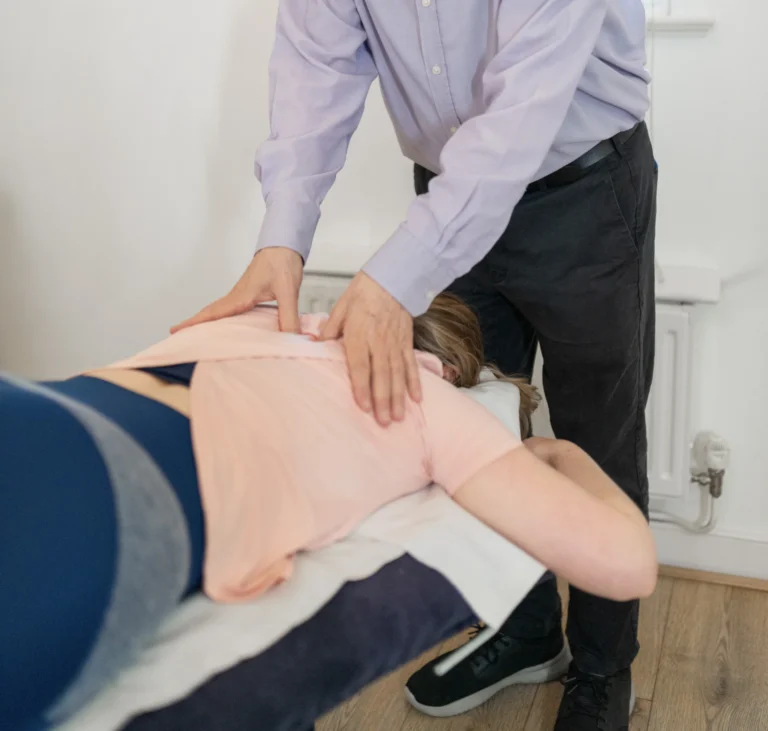
Osteopathy may help improve mobility throughout the hip, pelvis and lower back while addressing movement restrictions contributing to symptoms.
03
Exercise Rehabilitation
Exercise rehabilitation plays a key role in long-term recovery.
Your programme may include:
- Hip strengthening
- Gluteal conditioning
- Balance training
- Functional movement work
- Running rehabilitation
- Sport-specific progression
04
Clinical Exercise
For individuals managing arthritis, post-operative recovery or persistent hip problems, structured exercise programmes can help improve function, confidence and long-term outcomes.
Understanding the Causes
When Should You Seek Treatment?
You should consider assessment if:
- Pain persists beyond a few weeks
- Symptoms limit daily activities
- Walking becomes uncomfortable
- Exercise is restricted
- Symptoms are progressively worsening
- Night pain is affecting sleep
- You have experienced a recent injury
Early intervention often prevents minor issues from becoming long-term problems.
Prevention & Self-Care
Hip Arthritis Management
Hip osteoarthritis does not necessarily mean surgery is required.
Many patients achieve significant improvements through:
- Exercise therapy
- Strength training
- Weight management support
- Mobility programmes
- Activity modification
- Education and self-management strategies
Our team can help you maintain activity levels and quality of life while managing symptoms effectively.
Know the Signs
Hip Pain and Sport
Hip pain is common among runners, footballers, cyclists, tennis players and gym-goers.
We regularly help athletes recover from:
- Hip flexor strains
- Adductor injuries
- Gluteal tendinopathy
- Running-related hip pain
- Labral injuries
- Hip impingement
Our rehabilitation programmes are designed to support a safe return to sport while reducing the risk of recurrence.

Why The Forge Clinic
Why Choose The Forge Clinic?
We believe successful treatment goes beyond simply reducing pain.
Our team focuses on:
- Accurate diagnosis
- Individualised treatment plans
- Evidence-based rehabilitation
- Long-term strength and resilience
- Helping you return to the activities that matter most
Whether your goal is walking comfortably, exercising without pain or returning to competitive sport, we can help you move forward with confidence.
Team
Meet The Team
Our multidisciplinary team regularly treats hip pain, sports injuries, tendon conditions, arthritis and post-operative rehabilitation.
FAQs
Frequently Asked Questions
Is hip pain always caused by arthritis?
No. Hip pain can result from tendon problems, muscle injuries, bursitis, impingement, labral injuries, referred pain from the back and many other causes.
Can physiotherapy help hip arthritis?
Yes. Exercise-based rehabilitation is one of the most effective evidence-based treatments for managing hip osteoarthritis.
Why does my hip hurt when I lie on my side?
Pain when lying on the side is commonly associated with gluteal tendinopathy or greater trochanteric pain syndrome, although other conditions may contribute.
Will I need a scan?
Not always. Many hip conditions can be diagnosed through a detailed clinical assessment. Imaging is only recommended when clinically appropriate.
Can I continue exercising with hip pain?
In many cases, yes. Exercise modification is often more beneficial than complete rest. Your clinician can guide you on appropriate activity levels.