Condition
What Is Plantar Fasciitis?
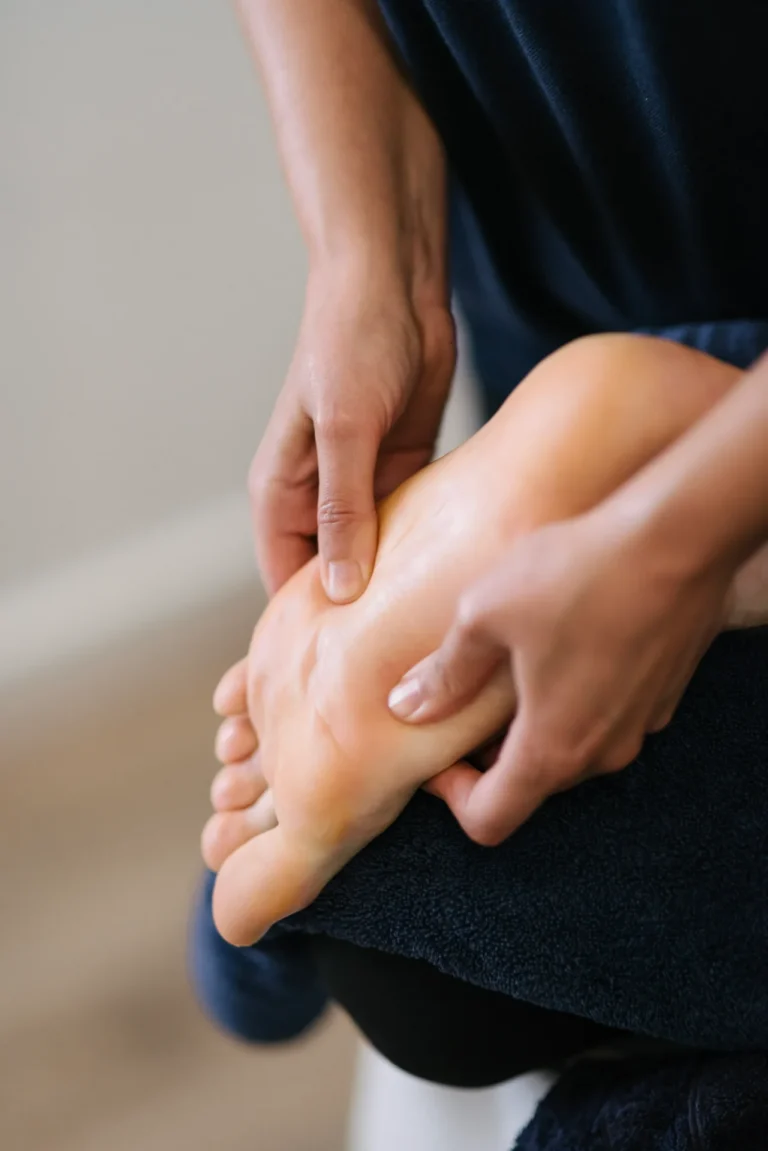
The plantar fascia is a thick band of connective tissue that runs along the sole of the foot, connecting the heel bone to the toes.
Its role is to:
- Support the arch of the foot
- Absorb forces during walking and running
- Assist with efficient movement
When excessive strain develops within the plantar fascia, it can become painful and irritated, particularly at its attachment to the heel bone.
Although commonly called plantar fasciitis, many long-standing cases are better described as plantar fasciopathy, reflecting tissue degeneration rather than inflammation.
Symptoms
Common Symptoms of Plantar Fasciitis
Symptoms often include:
- Sharp pain under the heel
- Pain during the first steps in the morning
- Pain after periods of rest
- Heel pain during walking
- Pain after exercise
- Tenderness under the heel
- Stiffness in the foot and calf
- Pain when standing for long periods
- Reduced running tolerance
- Foot fatigue
- Pain when climbing stairs
- Reduced sporting performance
Symptoms often improve temporarily with movement before returning later in the day.
What We Treat
Other Causes of Heel Pain
Not all heel pain is caused by plantar fasciitis.
Our assessment process helps identify the true source of symptoms.
Other causes may include:
Heel Fat Pad Syndrome
Pain arising from thinning or irritation of the cushioning tissue beneath the heel.
Achilles Tendinopathy
Pain at the back of the heel caused by degeneration or irritation within the Achilles tendon.
Calcaneal Stress Fractures
Bone stress injuries affecting the heel bone, often associated with increased activity levels.
Nerve Irritation
Compression of nerves around the foot and ankle can sometimes mimic plantar fascia pain.
Arthritis
Joint-related pain can occasionally contribute to heel symptoms.
Calcaneum Bursitis
Assessment Process
How We Assess Heel Pain
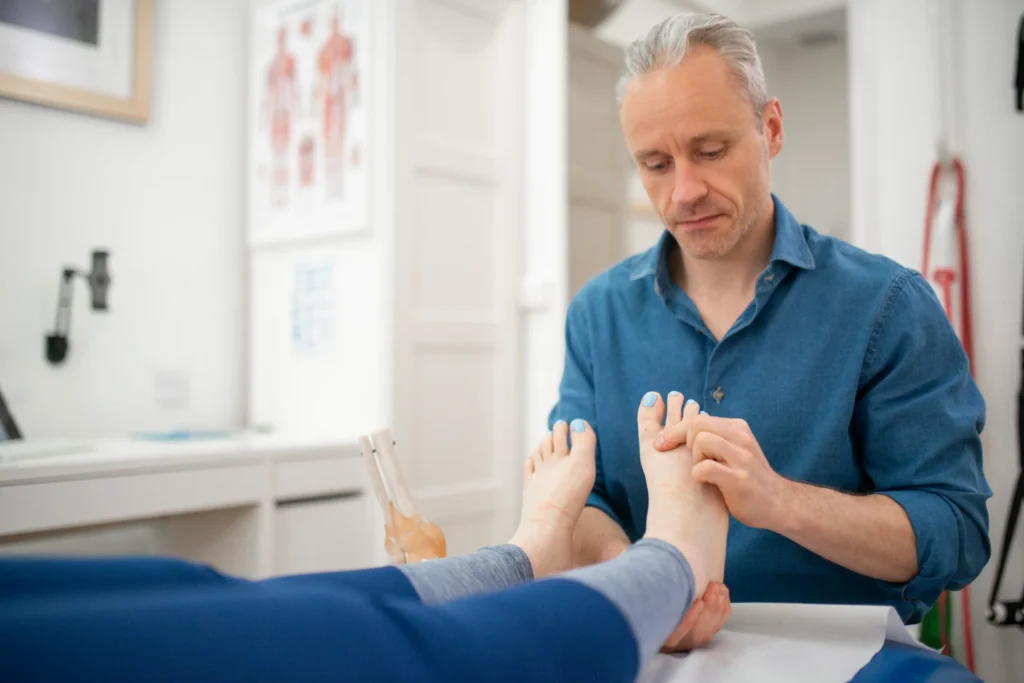
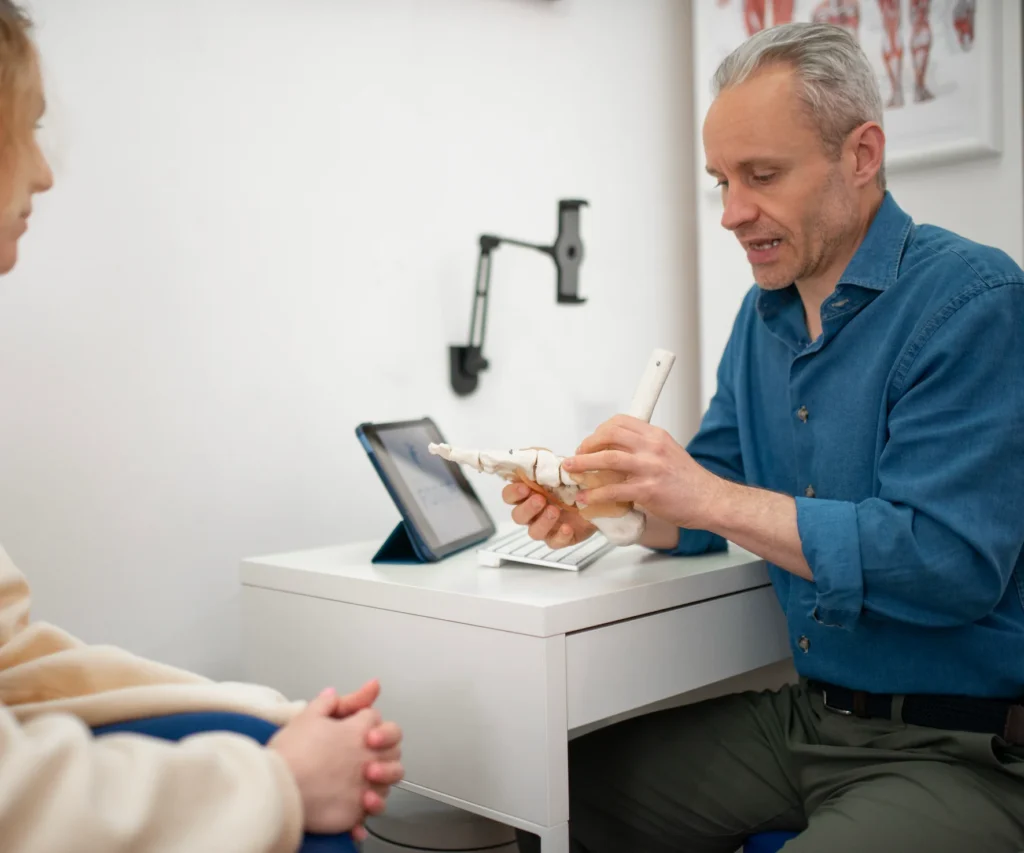
A detailed assessment allows us to identify the source of symptoms and any contributing factors.
Your clinician may assess:
- Walking and running mechanics
- Foot posture
- Ankle mobility
- Calf flexibility
- Strength
- Balance
- Loading tolerance
- Training history
- Footwear choices
This enables us to develop a targeted treatment plan rather than simply addressing symptoms.
Treatment
Plantar Fasciitis Treatment in Richmond
Treatment focuses on reducing pain, improving stability and restoring confidence in movement.
01
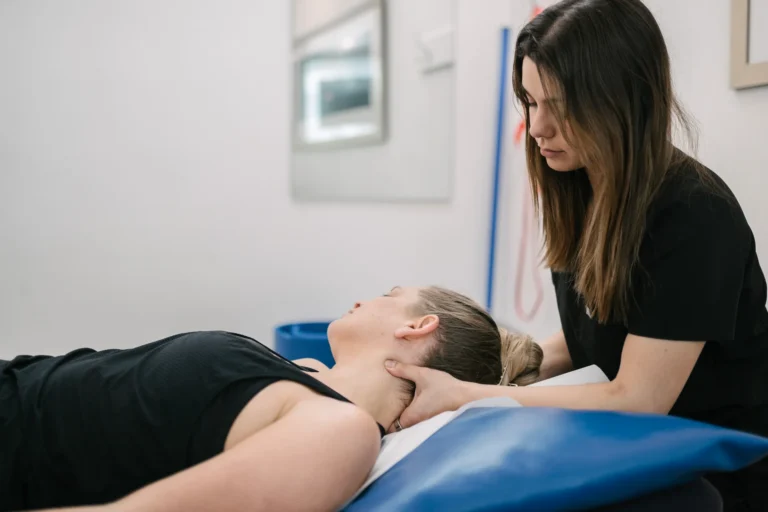
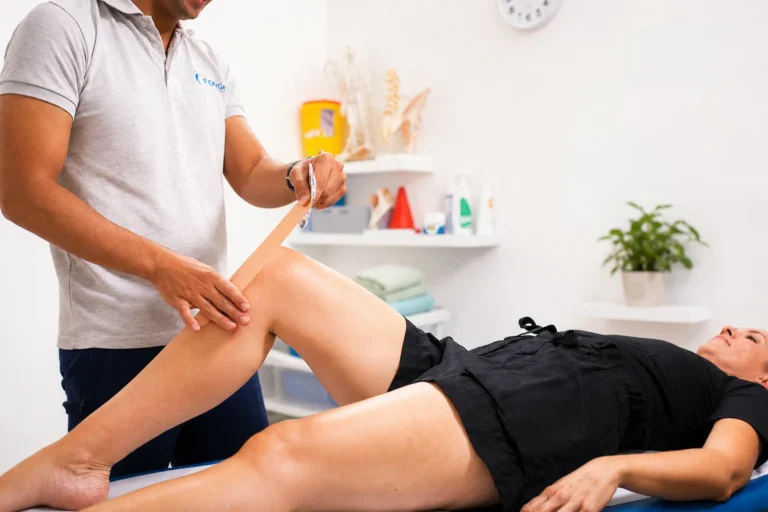
Physiotherapy
Physiotherapy is often highly effective for plantar fasciitis and heel pain.
Treatment may include:
- Exercise rehabilitation
- Strengthening programmes
- Mobility exercises
- Calf loading programmes
- Gait advice
- Running modification
- Activity management
02
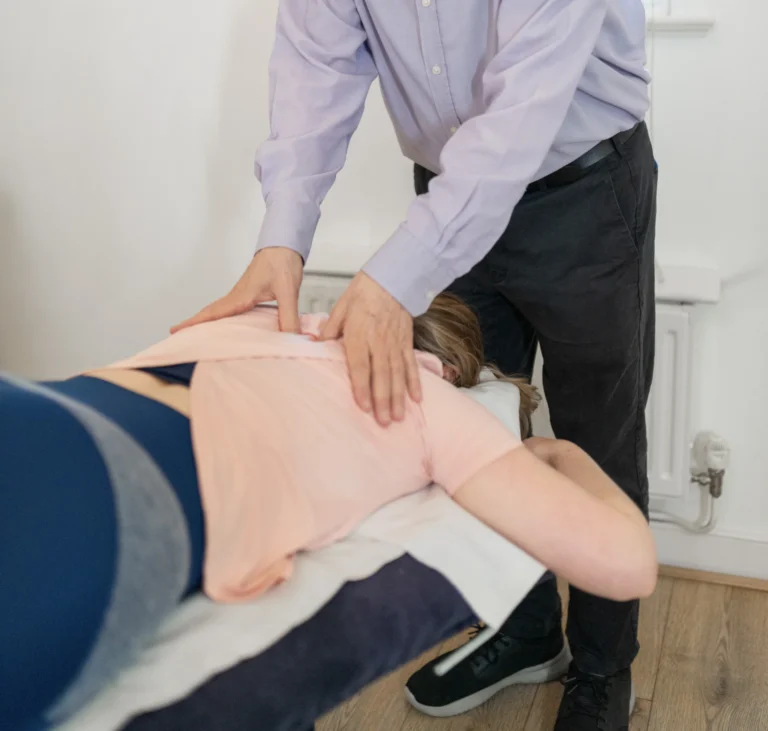
Osteopathy
Osteopathy may help improve lower limb mobility and address biomechanical factors contributing to heel pain.
03
Shockwave Therapy
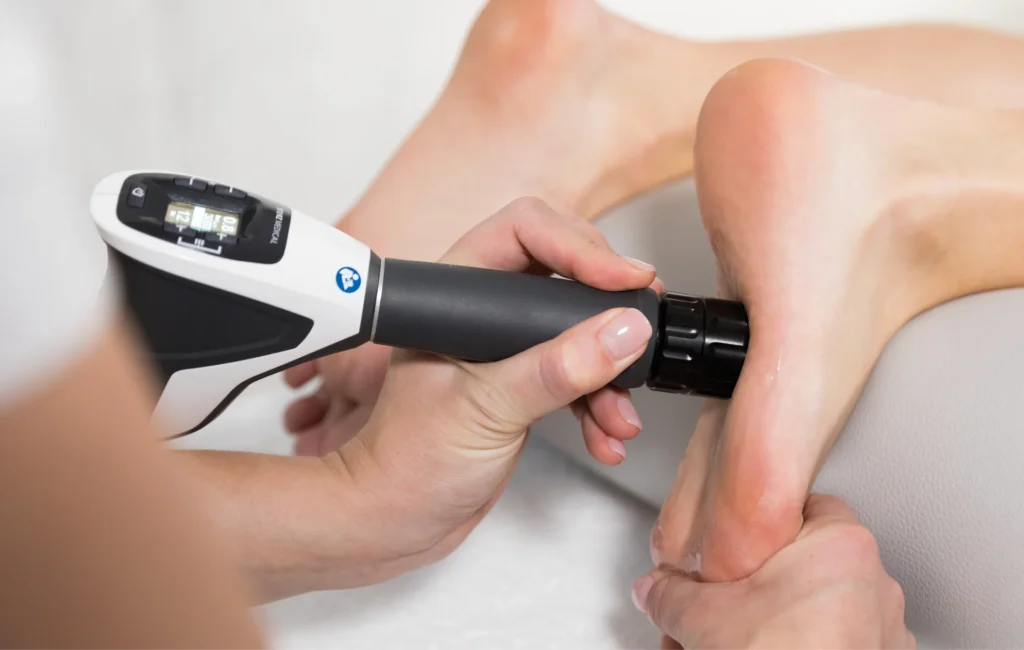
For persistent or chronic plantar fasciitis, radial [Shockwave Therapy] can be an effective treatment option.
Shockwave therapy works by stimulating tissue healing and promoting recovery in stubborn cases that have failed to respond fully to exercise-based treatment.
It is commonly used for:
- Chronic plantar fasciitis
- Long-standing heel pain
- Resistant tendon conditions
04
Exercise Rehabilitation
Progressive loading programmes form a key part of successful recovery.
Exercises may focus on:
- Plantar fascia loading
- Calf strengthening
- Foot intrinsic muscle strengthening
- Balance training
- Lower limb conditioning
Know the Signs
Why Does Plantar Fasciitis Develop?
Several factors can increase strain on the plantar fascia.
These include:
- Prolonged standing
- Sudden increases in running volume
- Poor footwear
- Calf tightness
- Reduced ankle mobility
- Foot biomechanics
- Excess body weight
- Occupations requiring prolonged standing
- Reduced lower limb strength
- Previous foot or ankle injuries
Often, multiple contributing factors are involved.
Prevention & Self-Care
Preventing Recurrence
Once symptoms settle, preventing recurrence becomes an important focus.
Recommendations may include:
- Strength maintenance programmes
- Footwear advice
- Running load management
- Mobility exercises
- Progressive training strategies
- Lower limb conditioning
These strategies help reduce future episodes of heel pain.
Why The Forge Clinic
Why Choose The Forge Clinic?
At The Forge Clinic, we combine evidence-based assessment with a range of treatment options to achieve the best possible outcomes.
Patients choose us because we offer:
- Experienced Physiotherapists and Osteopaths
- Detailed biomechanical assessment
- Shockwave therapy for chronic cases
- Individual rehabilitation programmes
- Sports injury expertise
- Running injury management
- Convenient Richmond location
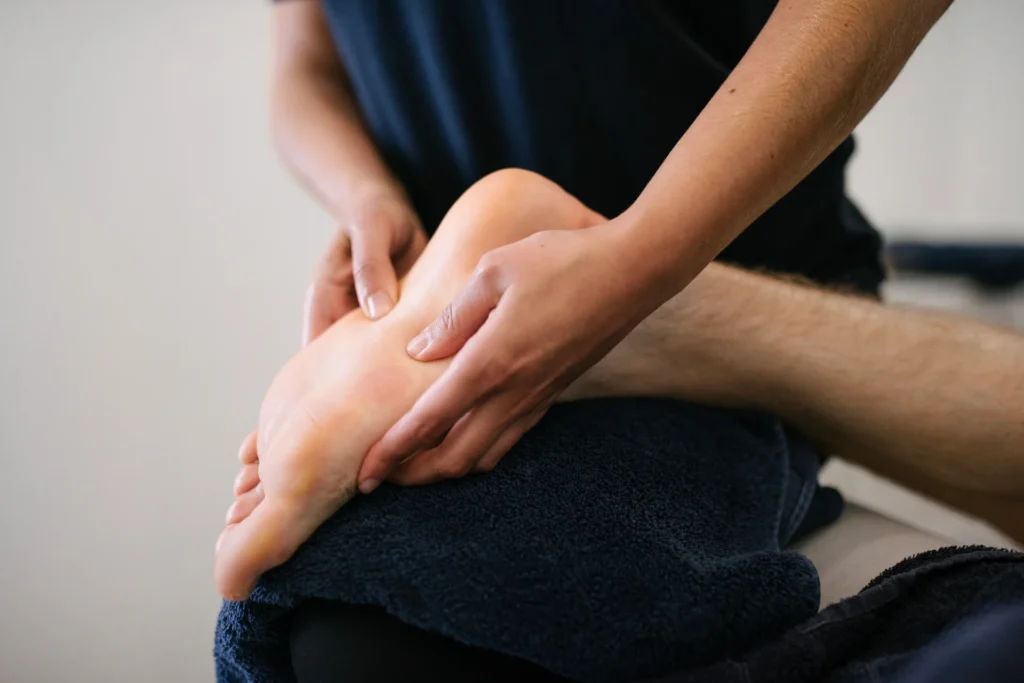
Team
Meet The Team
Our multidisciplinary team regularly helps patients recover from plantar fasciitis, heel pain, running injuries and lower limb conditions.
FAQs
Frequently Asked Questions
How long does plantar fasciitis take to heal?
Recovery times vary, but many patients improve within several weeks to a few months with appropriate treatment and exercise.
Is walking good for plantar fasciitis?
Walking is generally safe, although prolonged walking may aggravate symptoms during flare-ups. Activity levels may need temporary modification.
Does Shockwave Therapy work for plantar fasciitis?
Research supports shockwave therapy as an effective treatment for many chronic plantar fasciitis cases, particularly when symptoms have persisted for several months.
Can plantar fasciitis go away on its own?
Some cases improve naturally, but targeted treatment often speeds recovery and reduces the likelihood of recurrence.
Should I stop exercising?
Not necessarily. Most patients benefit from modified activity rather than complete rest. Your clinician can advise on suitable alternatives while symptoms settle.