Service
A Treatment Option for Persistent Tendon Pain
Persistent tendon pain can be frustrating, particularly when symptoms continue despite rest, exercise or previous treatment. Whether you have been struggling with long-term heel pain, elbow pain or Achilles tendon discomfort, it can feel as though progress has stalled.
At The Forge Clinic, we provide Shockwave Therapy in Richmond as part of a comprehensive rehabilitation approach for chronic tendon and soft tissue conditions. Using evidence-informed treatment protocols and personalised exercise programmes, our clinicians help patients reduce pain, improve function and return to the activities they enjoy.
We provide Shockwave Therapy for patients across Richmond, Kew, Sheen, Ham, Twickenham, Mortlake, St Margarets and Petersham.
Service
What Is Shockwave Therapy?
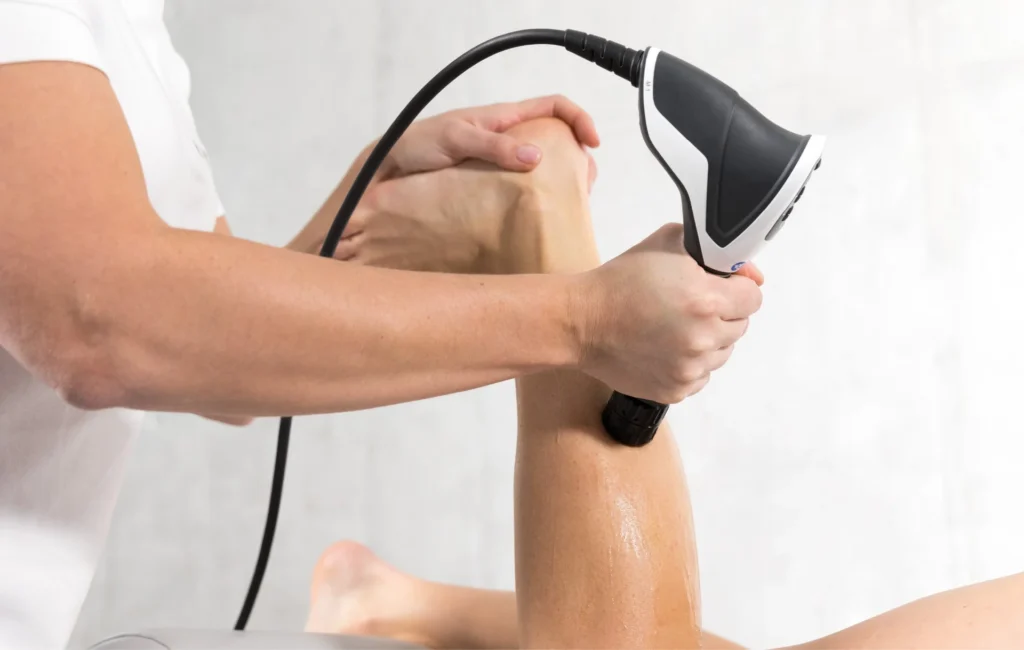
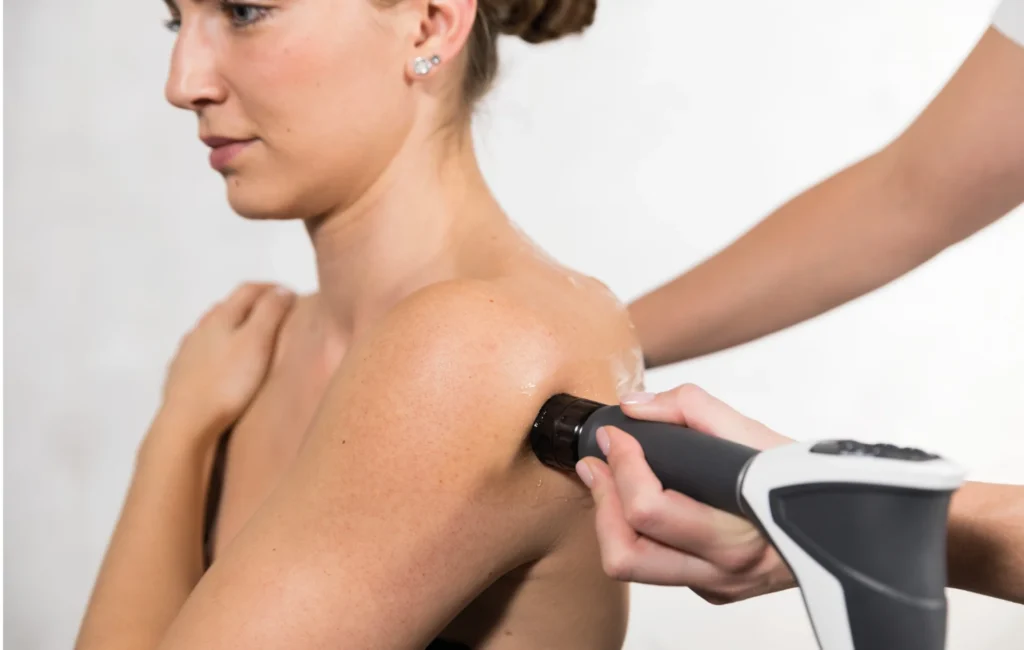
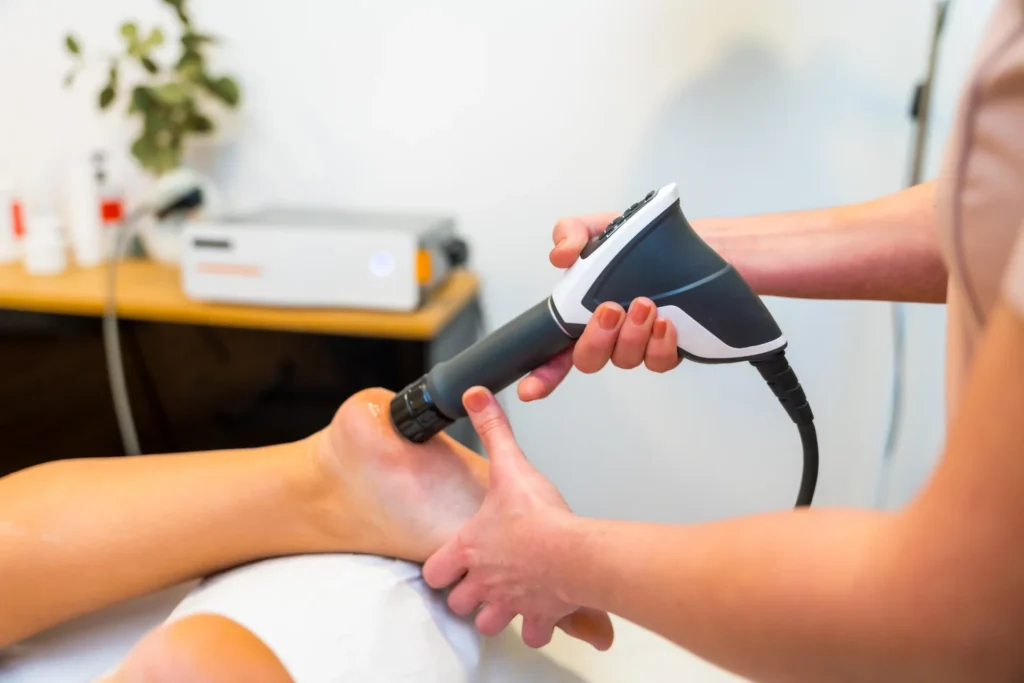
Shockwave Therapy, also known as Radial Shockwave Therapy, uses high-energy acoustic waves that are delivered directly to injured tissues.
The treatment stimulates biological responses within the affected area and is commonly used to support the management of persistent tendon conditions and chronic soft tissue injuries.
Shockwave Therapy does not involve electrical stimulation or surgery. Instead, the device delivers targeted pressure waves into the tissue, helping to encourage healing responses and tissue remodelling.
Shockwave Therapy is most commonly used for conditions that have been present for several months and have not responded fully to other treatment approaches.
Treatment Process
How Does Shockwave Therapy Work?
Although research into Shockwave Therapy continues to develop, studies suggest that treatment may help by:
- Stimulating blood flow
- Encouraging tissue regeneration
- Supporting tendon remodelling
- Reducing pain sensitivity
- Promoting healing responses within damaged tissues
- Improving tolerance to exercise rehabilitation
Shockwave Therapy is rarely used as a standalone treatment.
At The Forge Clinic, it is typically combined with exercise prescription, movement advice and rehabilitation strategies to achieve the best possible outcomes.
What We Treat
Conditions Commonly Treated With Shockwave Therapy
Shockwave Therapy is frequently used for several chronic musculoskeletal conditions.
Plantar Fasciitis
Persistent heel pain can significantly affect walking, running and daily activities.
Shockwave Therapy may be recommended for individuals with long-standing [Plantar Fasciitis & Heel Pain] symptoms that have not responded sufficiently to stretching, footwear modifications or rehabilitation exercises.
Achilles Tendinopathy
Achilles tendon pain often develops gradually and can limit walking, running and sporting activity.
Shockwave Therapy may help support rehabilitation when symptoms have become persistent or recurrent.
Tennis Elbow
Tennis Elbow / Golfer’s Elbow can cause ongoing pain around the elbow and forearm, making gripping and lifting activities uncomfortable.
Shockwave Therapy is commonly used alongside strengthening exercises to improve recovery.
Golfer's Elbow
Pain affecting the inner aspect of the elbow can become difficult to manage if symptoms persist over time.
Shockwave Therapy may form part of a wider rehabilitation programme designed to improve tendon capacity and function.
Patellar Tendinopathy
Commonly affecting runners and jumping athletes, patellar tendon pain can limit sporting performance and daily activities.
Shockwave Therapy may help individuals who have not improved with exercise rehabilitation alone.
Calcific Tendinitis of The Shoulder
Calcific deposits within shoulder tendons can contribute to pain and movement restriction.
Shockwave Therapy is often used to support the management of calcific shoulder conditions alongside rehabilitation and movement restoration.
Greater Trochanteric Pain Syndrome
Lateral hip pain can make walking, sleeping and exercise uncomfortable.
Shockwave Therapy may be beneficial for certain cases of persistent tendon-related hip pain.
Shin Splints
Athletes and runners experiencing ongoing shin pain may benefit from a combined rehabilitation programme that includes Shockwave Therapy where clinically appropriate.
Who Can Benefit
Who Is Shockwave Therapy Suitable For?
Shockwave Therapy is generally considered for patients who:
- Have experienced symptoms for several months
- Have not responded fully to previous treatment
- Have chronic tendon-related pain
- Wish to avoid more invasive treatment options
- Are able to participate in a rehabilitation programme
Every patient undergoes a thorough assessment before treatment recommendations are made.
This ensures Shockwave Therapy is appropriate for your condition and individual circumstances.
You apppointment
What Happens During A Shockwave Therapy Appointment?
Your appointment begins with a detailed clinical assessment.
This allows your clinician to:
- Confirm your diagnosis
- Understand your symptoms
- Assess contributing factors
- Determine whether Shockwave Therapy is appropriate
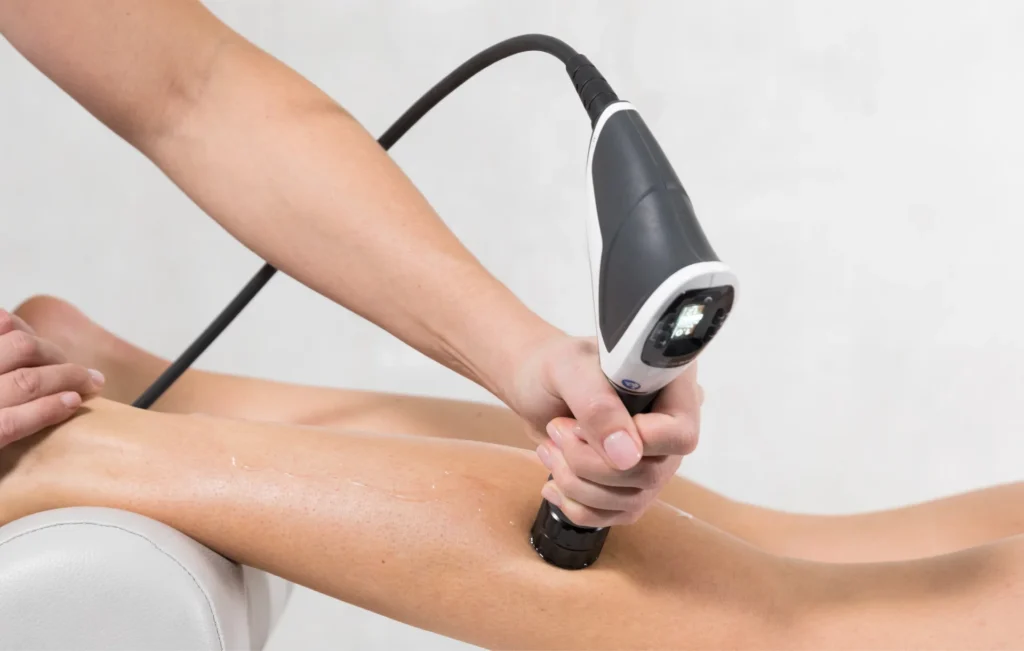
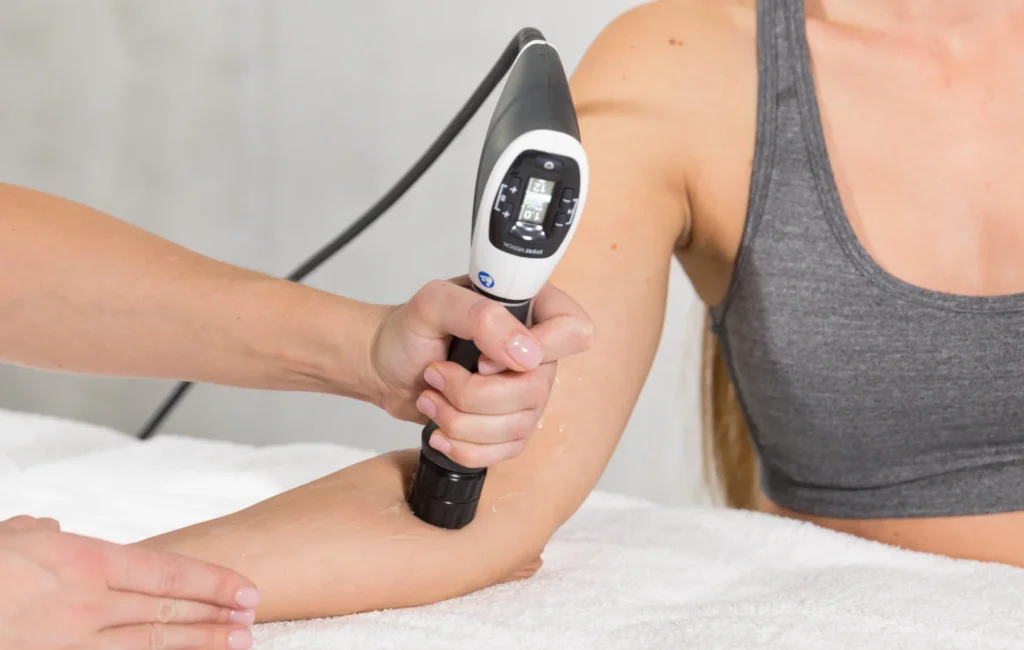
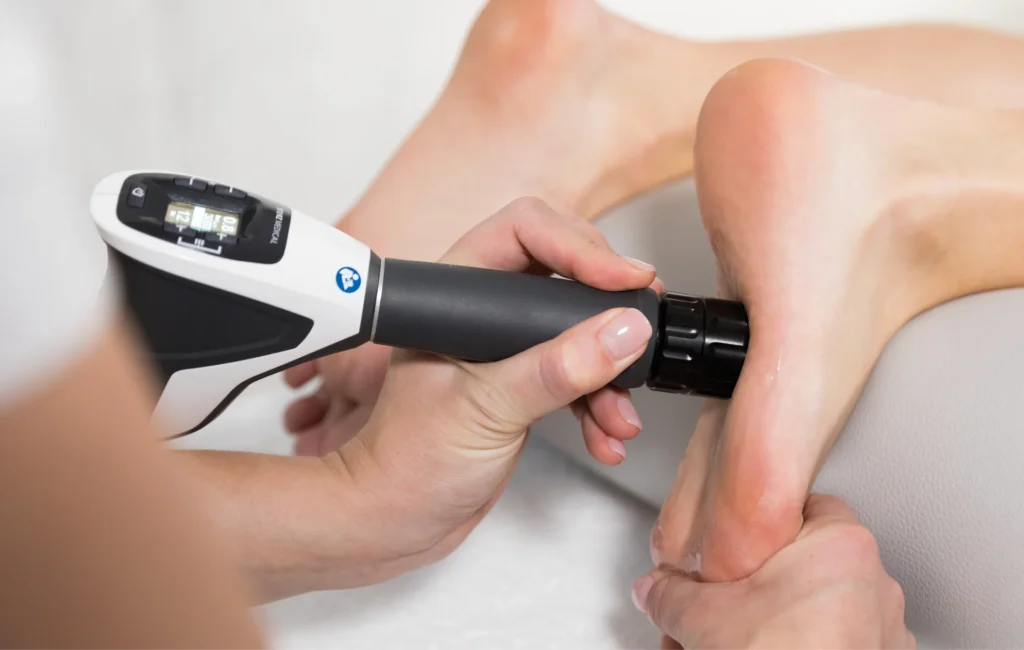
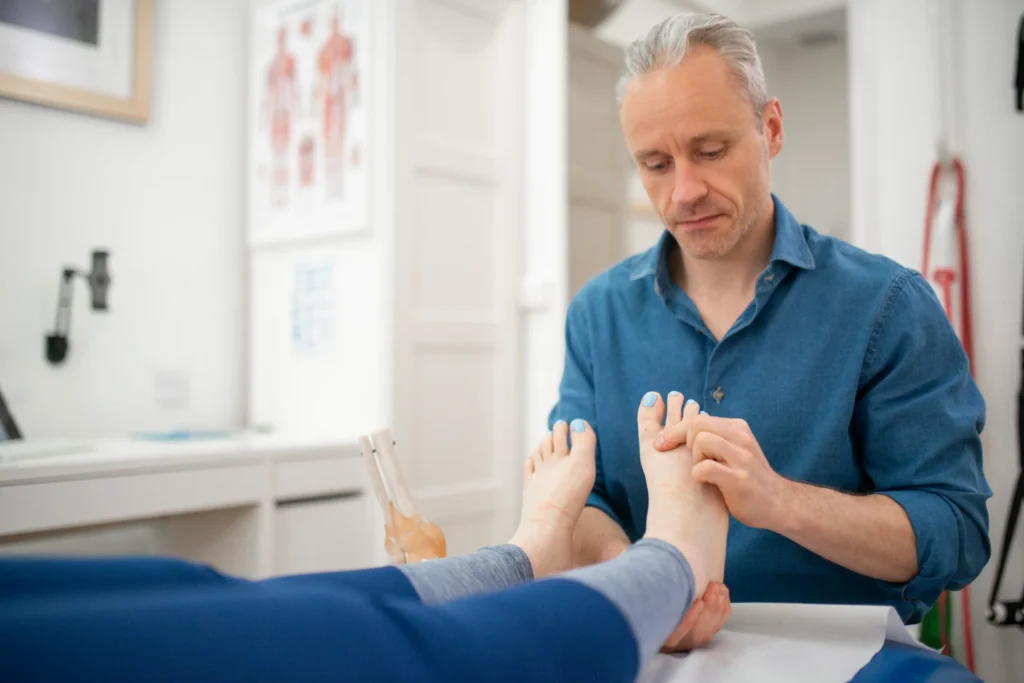
Treatment involves applying a handheld device to the affected area.
The device delivers controlled acoustic waves into the tissue over several minutes.
Many patients describe the sensation as uncomfortable rather than painful, although this varies depending on the area being treated and the sensitivity of the tissue.
Following treatment, your clinician will provide guidance on activity modification and rehabilitation exercises.
Treatment Planning
How Many Shockwave Therapy Sessions Are Needed?
The number of treatments required varies depending on the condition, duration of symptoms and individual response.
For many chronic tendon conditions, a short course of treatment is typically recommended alongside a structured rehabilitation programme.
Your clinician will discuss the most appropriate treatment plan following your assessment.
Recovery & Rehabilitation
Shockwave Therapy And Exercise Rehabilitation
Research consistently shows that exercise rehabilitation remains one of the most important components of recovery from tendon-related conditions.
For this reason, Shockwave Therapy at The Forge Clinic is combined with tailored exercise programmes designed to improve tissue strength, resilience and function.
Depending on your condition, this may involve:
- Strengthening exercises
- Mobility work
- Load management strategies
- Return-to-sport guidance
- Activity modification advice
This integrated approach helps address both symptoms and the underlying factors contributing to your condition.
Why The Forge Clinic
Why Choose The Forge Clinic For Shockwave Therapy In Richmond?
01
Experienced Musculoskeletal Clinicians
Our practitioners have extensive experience assessing and treating persistent tendon and soft tissue conditions.
02
Evidence-Informed Treatment
Treatment recommendations are based on current clinical evidence and recognised rehabilitation principles.
03
Comprehensive Assessment
Every patient receives a detailed assessment before treatment begins.
04
Rehabilitation-Focused Approach
Shockwave Therapy is combined with personalised exercise prescription and rehabilitation planning.
05
Multidisciplinary Expertise
Where appropriate, patients may also benefit from services such as:
06
Trusted Richmond Clinic
The Forge Clinic has helped thousands of patients across Richmond and surrounding areas improve movement, reduce pain and regain confidence in physical activity.
Team
Meet The Shockwave Therapy Team
FAQs
Frequently Asked Questions
Is Shockwave Therapy painful?
Some discomfort during treatment is normal, particularly when treating sensitive tendon tissue. The intensity can be adjusted to ensure treatment remains manageable.
How quickly will I notice results?
Response times vary. Some patients notice improvement within a few weeks, while others experience more gradual changes over the course of rehabilitation.
Can Shockwave Therapy cure my condition?
No healthcare professional can guarantee a cure. Shockwave Therapy is used to support recovery and improve symptoms as part of a wider rehabilitation programme.
Can I continue exercising during treatment?
In many cases, yes. Your clinician will advise which activities can continue and whether temporary modifications are required.
Is Shockwave Therapy suitable for sports injuries?
Yes. Shockwave Therapy is commonly used for chronic tendon-related sports injuries affecting runners, gym users and recreational athletes.
Do I need a referral?
No. You can book directly with The Forge Clinic for an assessment.