Condition
What Is Shoulder Pain?
The shoulder is one of the most mobile joints in the body. It relies on a complex interaction between muscles, tendons, ligaments, joints and nerves to provide stability and movement.
Because the shoulder moves through such a large range of motion, it can be vulnerable to overload, injury and degenerative changes.
Pain may originate from the shoulder joint itself, surrounding muscles and tendons, the neck, or nearby structures. Symptoms can range from mild stiffness to significant weakness, instability or loss of movement.
Most shoulder conditions respond well to conservative treatment when accurately diagnosed and managed appropriately.
Symptoms
Common Symptoms of Shoulder Pain
Shoulder pain can present in many different ways depending on the underlying condition.
Common symptoms include:
- Pain when lifting the arm
- Difficulty reaching overhead
- Pain reaching behind your back
- Night pain when lying on the affected side
- Stiffness and restricted movement
- Weakness when lifting or carrying
- Clicking or catching sensations
- Pain at the front of the shoulder
- Pain at the top of the shoulder
- Pain radiating into the upper arm
- Difficulty participating in sport or gym activities
- Loss of shoulder strength
- Instability or feelings of the shoulder slipping
If shoulder pain follows significant trauma or is associated with sudden weakness, medical assessment is recommended.
What We Treat
Shoulder Conditions We Treat
Our clinicians assess and manage a wide range of shoulder conditions.
Frozen Shoulder (Adhesive Capsulitis)
Frozen shoulder causes progressive pain and stiffness, often resulting in significant loss of movement. Treatment focuses on maintaining mobility, reducing pain and supporting recovery throughout each stage of the condition.
Rotator Cuff Tendinopathy
Rotator cuff tendinopathy is one of the most common causes of shoulder pain. Symptoms often occur during lifting, reaching or overhead activities.
Rotator Cuff Tears
Rotator cuff tears may develop through injury or age-related degeneration. Treatment can help improve strength, function and symptom management both conservatively and following surgery.
Shoulder Impingement and Subacromial Pain
This condition involves irritation of structures beneath the acromion and often causes pain when raising the arm.
Shoulder Bursitis
Inflammation of the bursa can cause pain, swelling and restricted movement, particularly during overhead activities.
Shoulder Arthritis
Arthritic changes within the shoulder joint can cause pain, stiffness and reduced function. Treatment focuses on improving movement and maintaining independence.
Shoulder Instability and Dislocations
Repeated dislocations or instability episodes can affect confidence and function. Rehabilitation focuses on improving stability, strength and movement control.
Acromioclavicular (AC) Joint Injuries
AC joint injuries commonly occur following falls, sporting incidents or direct trauma to the shoulder.
SLAP Lesions
SLAP tears affect the cartilage around the shoulder socket and may cause pain, clicking and reduced performance during overhead movements.
Post-Surgical Shoulder Rehabilitation
We support rehabilitation following procedures including:
- Rotator cuff repair
- Bankart repair
- Shoulder stabilisation surgery
- Labral repair
- Shoulder decompression procedures
- Fracture rehabilitation
Causes
What Causes Shoulder Pain?
Shoulder pain can develop for many different reasons.
Common contributing factors include:
A detailed assessment helps identify the factors contributing to your symptoms and guides the most effective treatment approach.
Assessment Process
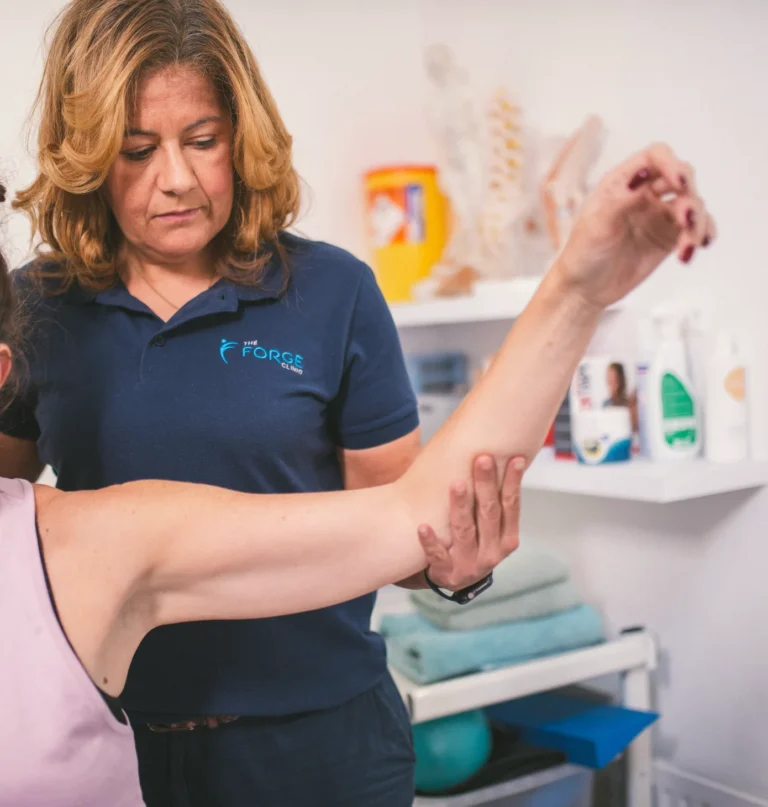
How We Assess Shoulder Pain
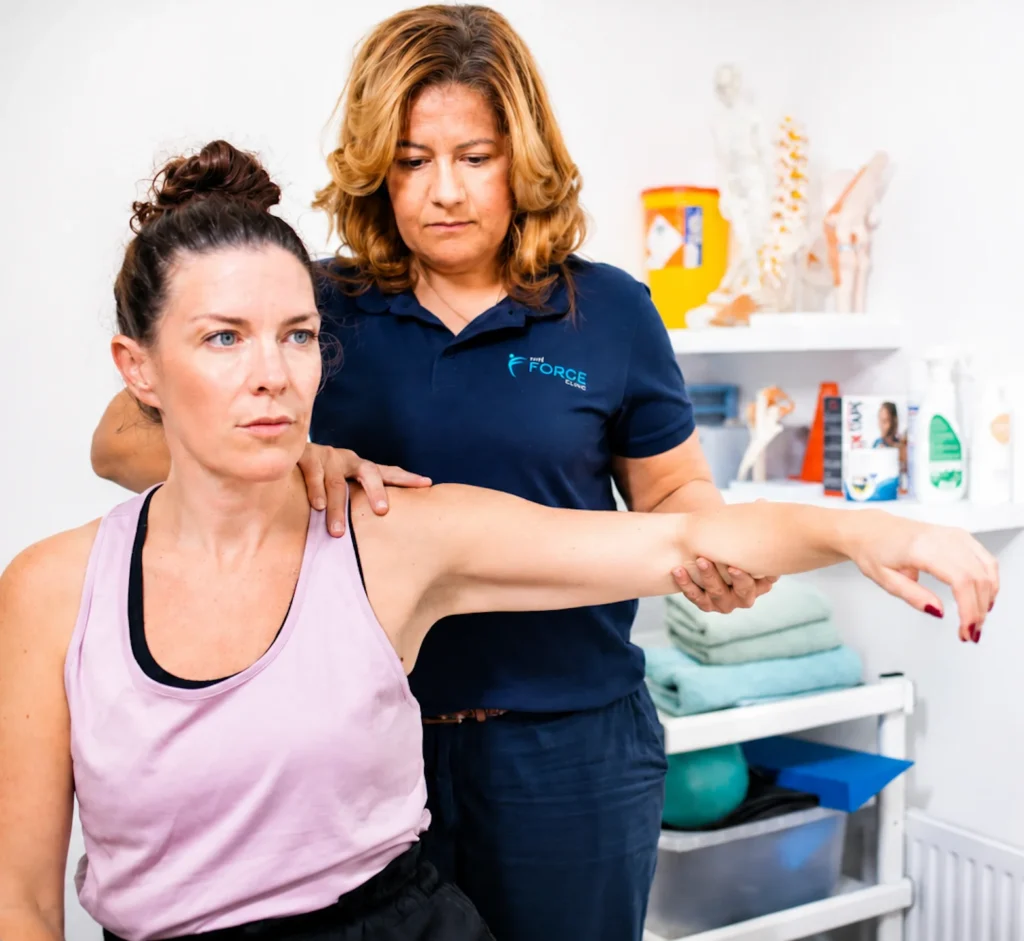
Your assessment begins with a thorough discussion of your symptoms, medical history, activity levels and goals.
We may assess:
- Shoulder range of movement
- Strength and muscle function
- Joint mobility
- Rotator cuff performance
- Stability and control
- Functional movement patterns
- Neck involvement
- Sporting or occupational demands
Where appropriate, we can also help interpret imaging findings and explain how they relate to your symptoms.
Treatment
Treatment for Shoulder Pain in Richmond
Treatment is tailored to your diagnosis, symptoms and goals.
01
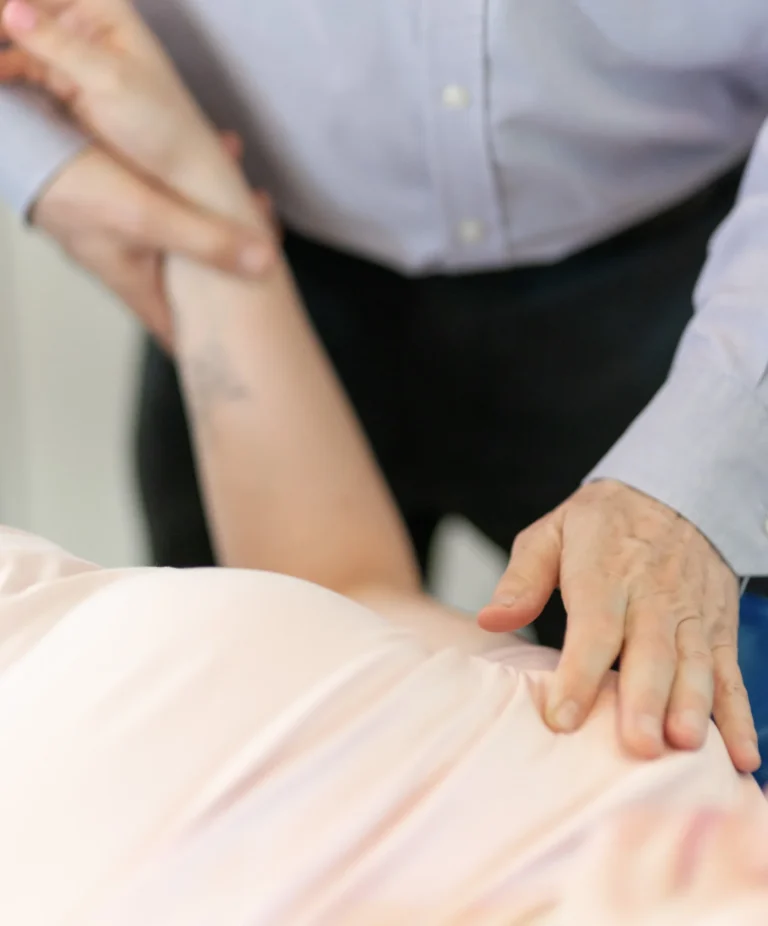
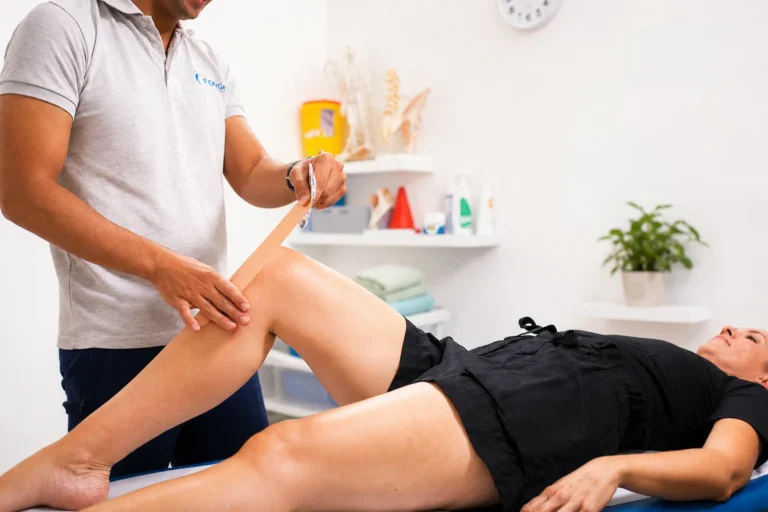
Physiotherapy for Shoulder Pain
Physiotherapy helps improve movement, strength and shoulder function through targeted rehabilitation and evidence-based treatment.
02
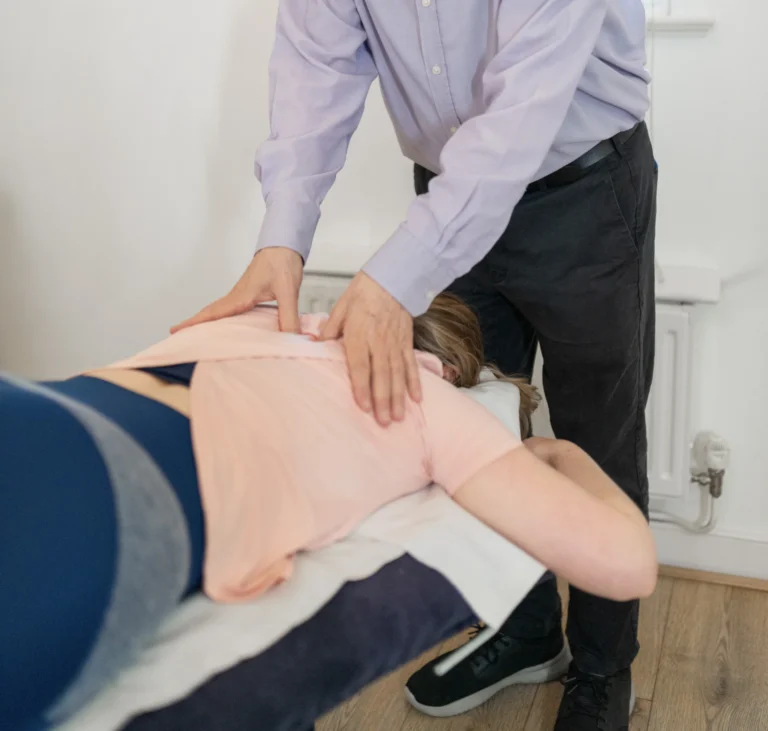
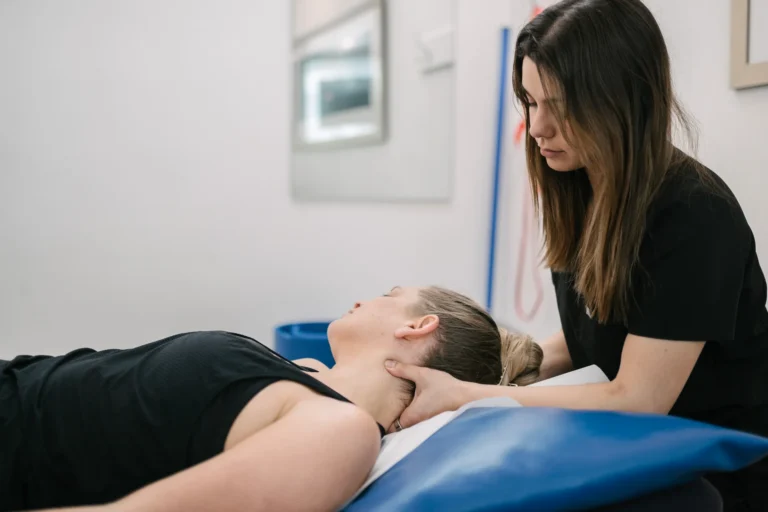
Osteopathy for Shoulder Pain
Osteopathy may help improve joint mobility, reduce muscle tension and optimise movement throughout the shoulder, neck and upper back.
03
Clinical Exercise Rehabilitation
Exercise rehabilitation is often a key component of recovery, particularly for rotator cuff injuries, instability and post-surgical rehabilitation.
04
Acupuncture for Pain Management
Acupuncture may be used in selected cases to help manage pain and facilitate rehabilitation.
05
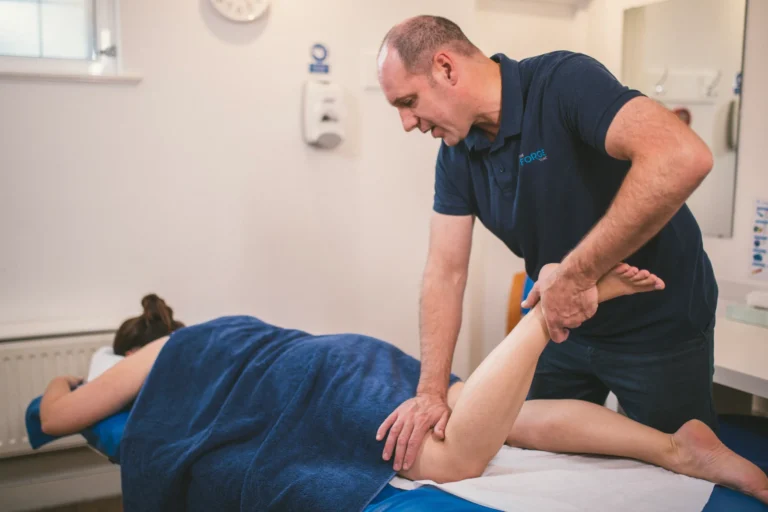
Massage Therapy
Massage Therapy can help reduce muscular tension, improve comfort and support recovery alongside rehabilitation programmes.
06
Shockwave Therapy for Chronic Tendon Conditions
For persistent tendon-related shoulder pain, shockwave therapy may be recommended as part of a wider rehabilitation programme where clinically appropriate.
Why The Forge Clinic
Why Choose The Forge Clinic?
The Forge Clinic offers comprehensive shoulder pain treatment in Richmond through a collaborative multidisciplinary team.
Patients choose us because we provide:
- Experienced physiotherapists and osteopaths
- Individualised rehabilitation programmes
- Expertise in sports and orthopaedic injuries
- Post-operative rehabilitation support
- Evidence-based treatment approaches
- Convenient Richmond location
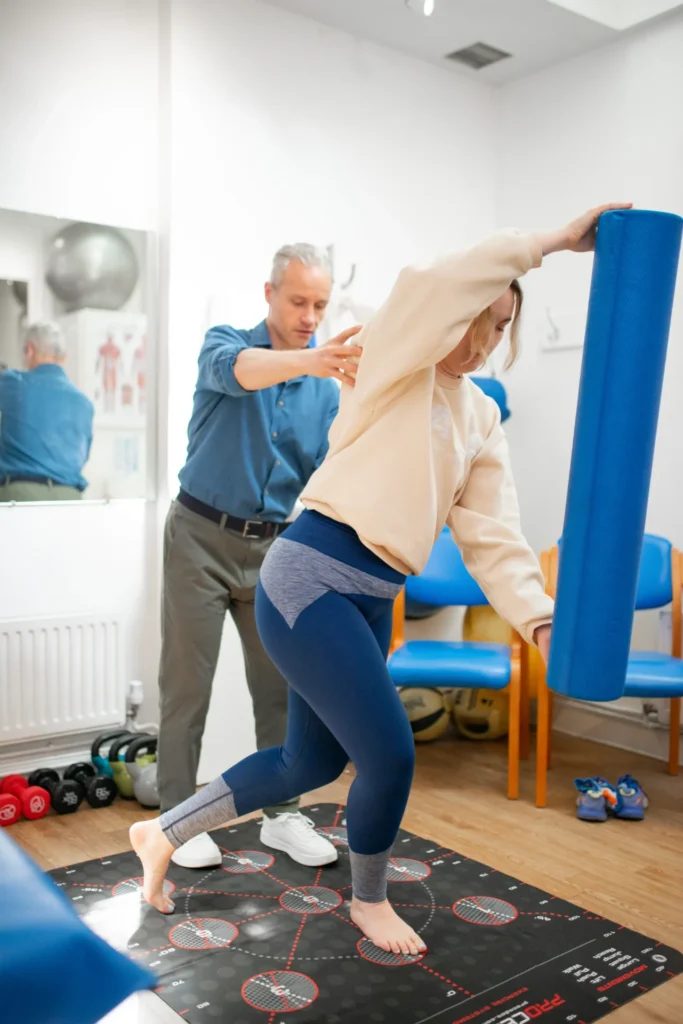
Team
Meet The Team
Our multidisciplinary team works together to help patients recover from shoulder pain, restore movement and return to the activities they enjoy.
FAQs
Frequently Asked Questions
What is the most common cause of shoulder pain?
Rotator cuff tendinopathy and subacromial pain are among the most common causes of shoulder pain, particularly in active adults.
Can shoulder pain come from the neck?
Yes. Cervical spine problems can sometimes refer pain into the shoulder and upper arm. Assessment helps determine the true source of symptoms.
How long does frozen shoulder last?
Frozen shoulder often progresses through several phases and recovery can take many months. Early assessment and management can help optimise outcomes.
Can Physiotherapy help shoulder pain?
Yes. Physiotherapy is often highly effective for many shoulder conditions, helping improve mobility, strength and function.
Do all rotator cuff tears require surgery?
No. Many rotator cuff tears respond well to conservative rehabilitation. Surgery is only recommended in certain circumstances.
When should I seek treatment?
If shoulder pain is affecting your sleep, work, exercise or daily activities, assessment can help identify the cause and guide appropriate treatment.