Service
Expert Care to Get You Back to Sport
Whether you are a competitive athlete, weekend runner, gym enthusiast or simply enjoy staying active, injuries can be frustrating and disruptive. The right diagnosis and rehabilitation plan can make a significant difference to your recovery and return to sport.
At The Forge Clinic, our Sports Injury service provides expert assessment, treatment and rehabilitation for a wide range of acute and long-standing sporting injuries. Our multidisciplinary team works with everyone from recreational exercisers to high-performing athletes, helping them recover safely and return to the activities they enjoy.
We welcome patients from Richmond, Kew, Sheen, Ham, Twickenham, Mortlake, St Margarets and Petersham.
Service
Sports Injury Treatment at The Forge Clinic
Sports injury treatment focuses on the assessment, diagnosis, rehabilitation and prevention of injuries related to physical activity and sport.
Injuries can occur suddenly following a specific incident or develop gradually through repeated loading and overuse. Effective treatment requires more than simply addressing symptoms. Understanding why the injury occurred is often key to preventing recurrence.
At The Forge Clinic, we combine clinical expertise, movement assessment and evidence-informed rehabilitation to help patients recover efficiently and confidently.
Treatment may include:
- Manual therapy
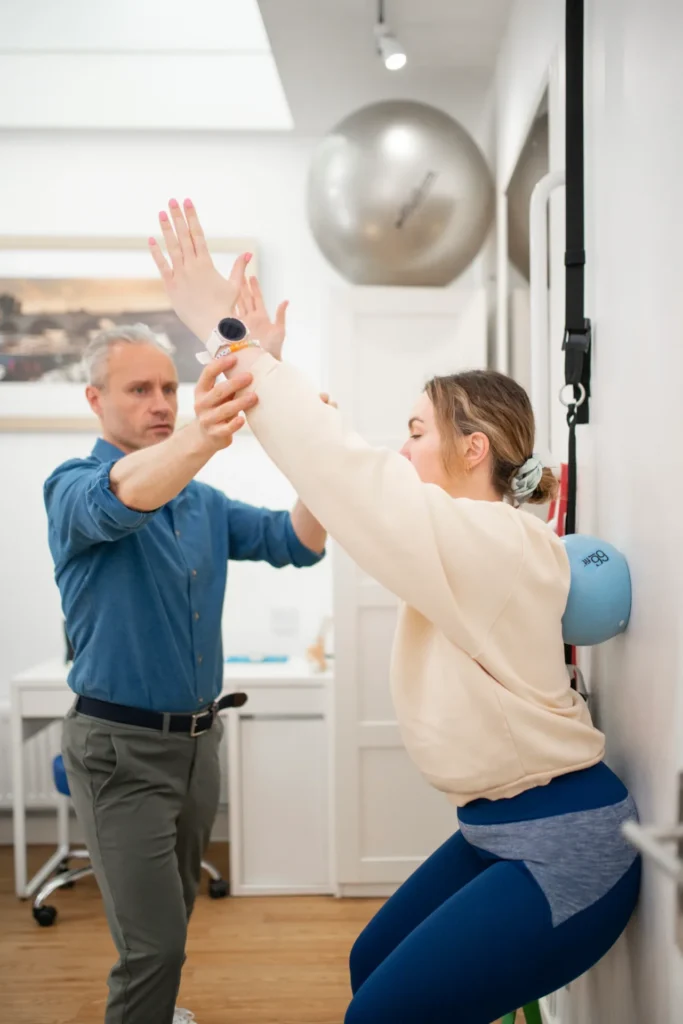
- Exercise rehabilitation
- Shockwave therapy
- Acupuncture
- Dry needling
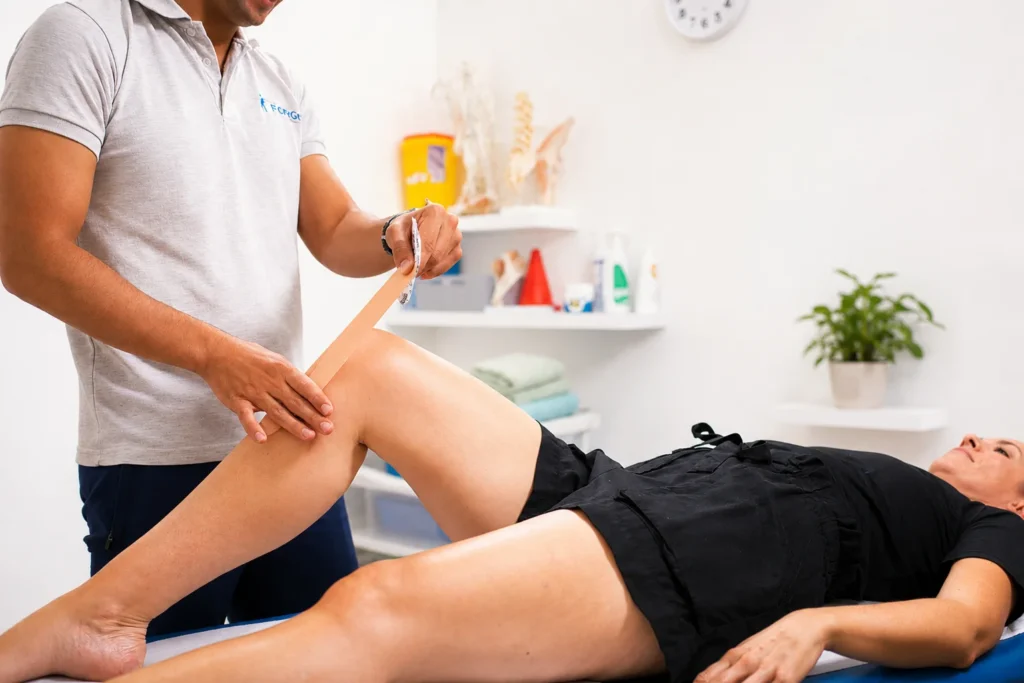
- Taping techniques
- Strength and conditioning guidance
- Return-to-sport planning
- Injury prevention strategies
Every rehabilitation programme is tailored to the individual, their sport and their recovery goals.
Approach
How Can Sports Injury Treatment Help?
Sports injuries affect people of all ages and activity levels.
Our team regularly helps patients who are:
- Recovering from acute injuries
- Managing recurring injuries
- Returning to sport after surgery
- Preparing for sporting events
- Struggling with persistent tendon pain
- Experiencing movement limitations
- Looking to reduce injury risk
Our goal is not only to help you recover but also to understand the factors that contributed to the injury in the first place.
This approach helps build resilience and confidence when returning to activity.
Conditions
Common Sports Injuries We Treat
Our Richmond sports injury clinic regularly assesses and treats a wide variety of injuries affecting muscles, tendons, ligaments, joints and bones.
Common presentations include:
We also support patients recovering from surgery through our dedicated Post-Op Rehab service.
Know the Difference
Acute vs Chronic Sports Injuries
Acute Sports Injuries
Acute injuries occur suddenly and are often linked to a specific incident.
Examples include:
- Ankle sprains
- Muscle tears
- Ligament injuries
- Joint dislocations
- Fractures
Early assessment can help determine the severity of the injury and guide appropriate management.
Chronic Sports Injuries
Chronic injuries tend to develop gradually over time.
These are often linked to:
- Repetitive loading
- Training errors
- Poor recovery
- Biomechanical factors
- Movement inefficiencies
Examples include tendon problems, overuse injuries and persistent joint pain.
Identifying the underlying cause is often essential for achieving lasting results.
You apppointment
What Happens During A Women's Health Physiotherapy Appointment?
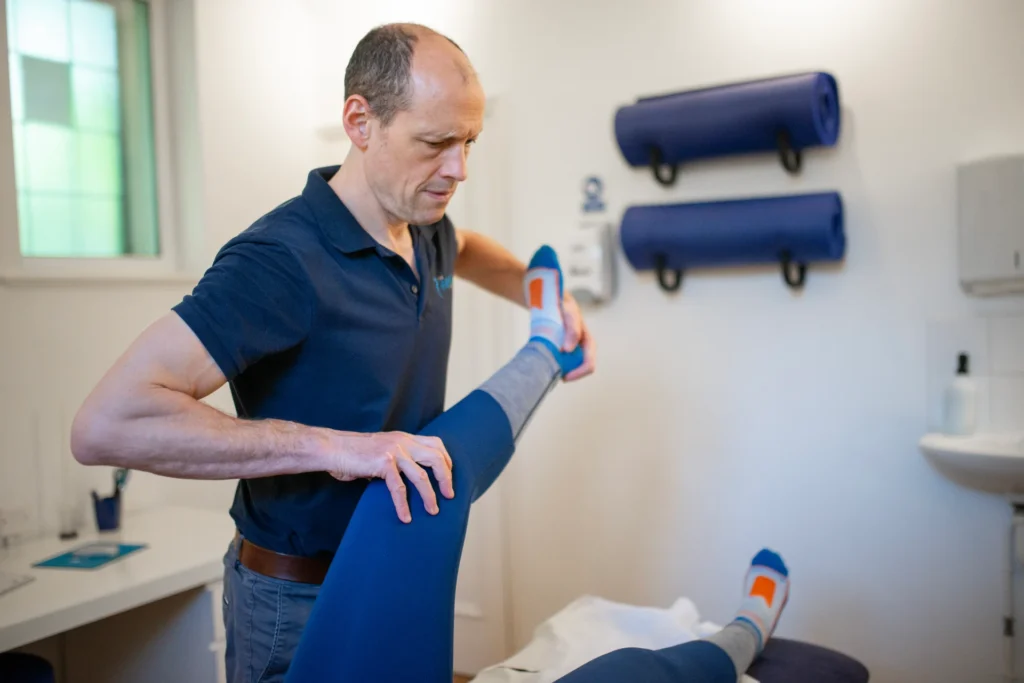
Your initial consultation begins with a detailed discussion about your injury, sporting background and goals.
We will assess:
- How the injury occurred
- Current symptoms
- Training history
- Previous injuries
- Movement patterns
- Functional limitations
Depending on your presentation, assessment may include:
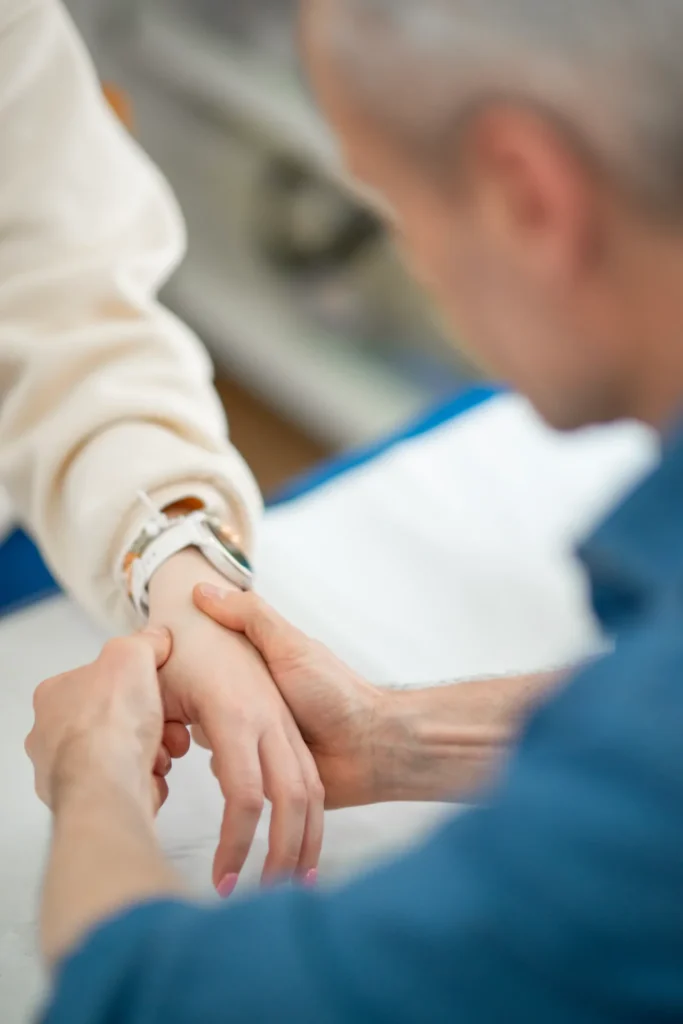
- Movement analysis
- Strength testing
- Biomechanical screening
- Gait assessment
- Functional testing
- Sport-specific assessment
Following assessment, we will explain our findings and create a personalised rehabilitation plan.
Treatment may begin during your first appointment where appropriate.
Approach
Our Approach To Sports Injury Rehabilitation
Successful rehabilitation requires more than simply reducing pain.
At The Forge Clinic, we focus on restoring:
- Strength
- Mobility
- Stability
- Confidence
- Sporting performance
Your rehabilitation programme may include:
- Hands-on treatment
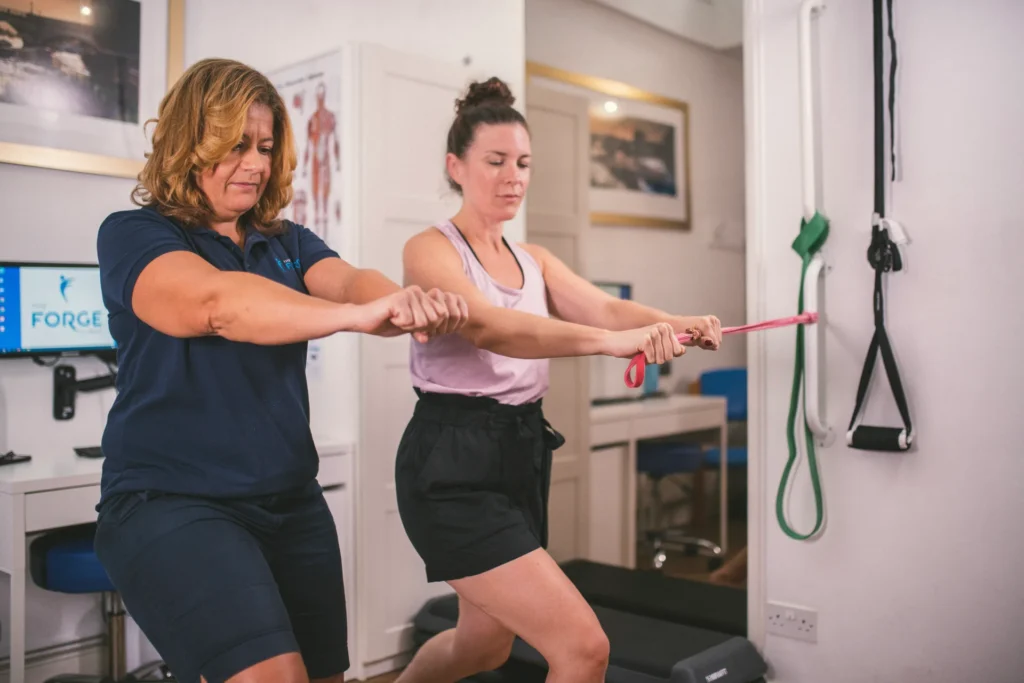
- Progressive exercise rehabilitation
- Movement retraining
- Sport-specific conditioning
- Return-to-running protocols
- Injury prevention strategies
Where appropriate, we work closely with coaches, personal trainers and consultants to ensure a joined-up approach to your recovery.
Our team also collaborates across disciplines, allowing access to services such as Physiotherapy, Osteopathy, Sports & Remedial Massage, Shockwave Therapy and Clinical Exercise where beneficial.
Why The Forge Clinic
Why Choose The Forge Clinic For Sports Injury Treatment In Richmond?
01
Experienced Multidisciplinary Team
Our sports injury service is supported by experienced Physiotherapists and Osteopaths who regularly assess and rehabilitate a broad range of sporting injuries.
02
Personalised Rehabilitation
Every injury is different. We create bespoke treatment plans tailored to your sport, injury history and goals.
03
Evidence-Informed Care
Treatment plans are guided by current best practice, NICE guidance and professional standards.
04
Return-To-Sport Focus
Our aim is not simply symptom reduction but helping you return to activity safely and confidently.
05
Convenient Richmond Location
We support active individuals from Richmond, Kew, Twickenham, Sheen, Ham, Mortlake, St Margarets and Petersham.
Team
Meet The Sports Injury Team
Our clinicians work collaboratively to ensure patients receive the most appropriate treatment pathway for their injury and goals.
FAQs
Frequently Asked Questions
Do I need a referral for sports injury treatment?
No. You can book directly with our team without a GP referral.
How soon should I seek treatment after an injury?
The earlier an injury is assessed, the sooner an appropriate management plan can be established. If you are concerned about an injury, professional assessment is recommended.
Can you help with long-standing sports injuries?
Yes. Many patients attend with chronic injuries that have been affecting training or performance for months or even years.
What if I have had surgery?
We regularly support patients following orthopaedic procedures and can help guide rehabilitation through our Pre & Post-Operative Rehabilitation service.
Will I receive exercises?
In most cases, yes. Rehabilitation exercises are often a key component of successful recovery and long-term injury prevention.
Can you help me return to sport?
Absolutely. Return-to-sport planning is an important part of rehabilitation and is tailored to your activity demands and recovery progress.