Service
A Full Check of Your Recovery After Birth
Pregnancy, labour and childbirth place significant demands on the body. While recovery is different for every woman, many experience physical changes that can affect comfort, confidence, exercise participation and day-to-day activities long after giving birth.
At The Forge Clinic, our Post-Natal Assessment in Richmond provides a comprehensive evaluation of your recovery following pregnancy and childbirth. Whether you have recently given birth or are several months postpartum, our assessment helps identify areas that may benefit from treatment, rehabilitation or targeted exercise guidance.
We support women from Richmond, Kew, Sheen, Ham, Twickenham, Mortlake, St Margarets and Petersham with evidence-based postnatal care designed to help restore strength, function and confidence.
Service
What Is A Post-Natal Assessment?
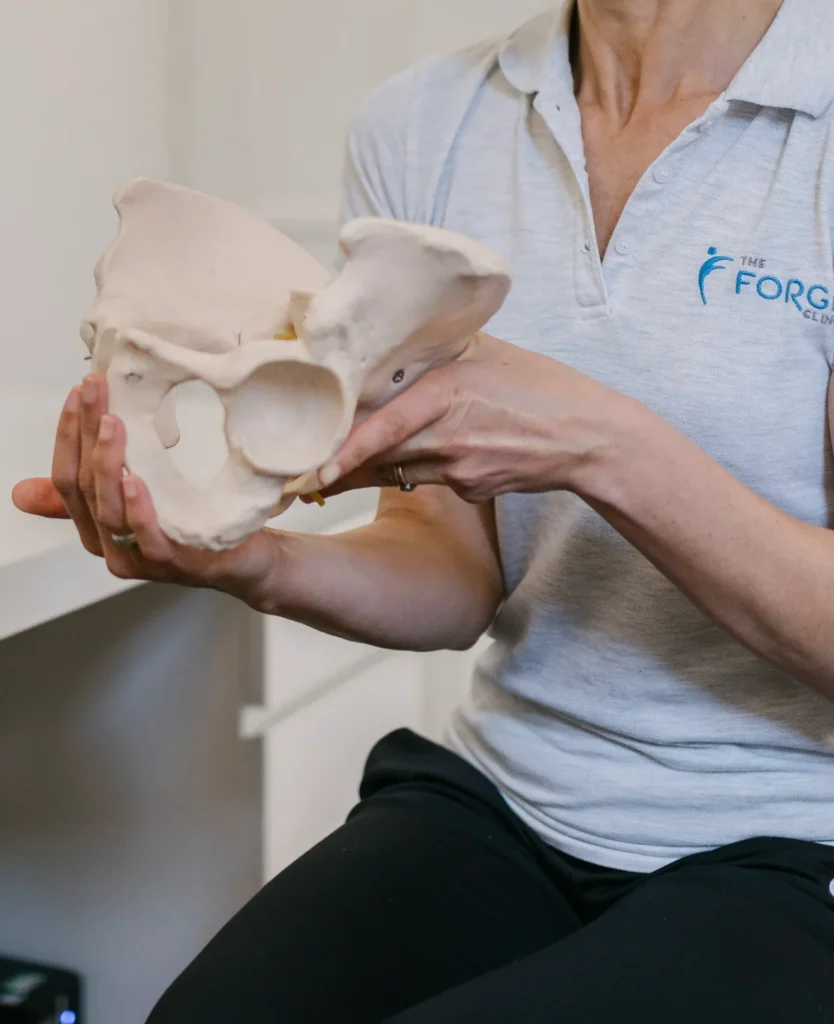
A post-natal assessment is a detailed evaluation of your physical recovery following pregnancy and childbirth.
The assessment focuses on key areas commonly affected during pregnancy and delivery, including:
- Pelvic floor function
- Abdominal muscle recovery
- Core strength and stability
- Postural changes
- Scar healing
- Pelvic girdle function
- Bladder and bowel symptoms
- Return to exercise readiness
The goal is to identify any ongoing issues and provide a clear plan to support your recovery and long-term wellbeing.
Post-Natal Care
Why Is A Post-Natal Assessment Important?
Many women are eager to return to exercise, work and normal daily activities after childbirth. However, underlying weaknesses or dysfunctions can sometimes go unnoticed and may contribute to ongoing symptoms if left unaddressed.
A professional post-natal assessment can help:
- Identify pelvic floor dysfunction
- Assess abdominal separation (Diastasis Recti)
- Improve core stability
- Reduce back and pelvic pain
- Support bladder and bowel control
- Improve confidence returning to exercise
- Promote long-term pelvic health
- Optimise recovery after Caesarean birth or perineal trauma
Early assessment and rehabilitation can help prevent minor concerns from becoming more significant problems in the future.
Assessment
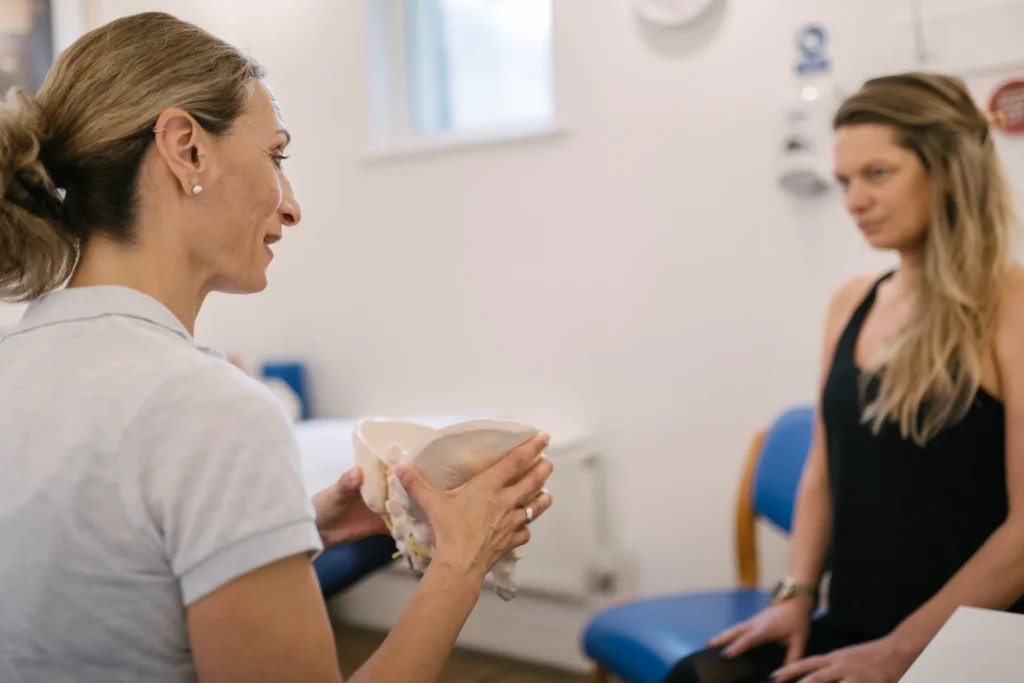
What Does The Assessment Include?
Every assessment is tailored to the individual, but typically includes:
Detailed Postpartum History
We will discuss:
- Your pregnancy and birth experience
- Current symptoms and concerns
- Exercise history
- Daily activity levels
- Recovery goals
- Bladder and bowel health
Physical Assessment
A comprehensive physical examination may include:
- Postural assessment
- Movement analysis
- Core muscle assessment
- Breathing pattern evaluation
- Pelvic stability assessment
- Functional strength testing
Pelvic Floor Assessment
Where appropriate and with your consent, an internal pelvic floor examination may be offered.
This assessment helps evaluate:
- Pelvic floor strength
- Muscle coordination
- Endurance
- Prolapse symptoms
- Areas of tension or weakness
Internal examination is always optional and fully explained before proceeding.
Abdominal Separation Assessment
Many women experience some degree of abdominal separation during pregnancy.
We assess:
- Diastasis Recti width and depth
- Core function
- Abdominal wall tension
- Strategies to support recovery
Condition
Conditions We Commonly Assess And Treat
Urinary Incontinence
Leaking urine when coughing, sneezing, laughing or exercising is common after childbirth but should not be accepted as normal.
We can assess and help manage:
- Stress urinary incontinence
- Urgency
- Increased frequency
- Reduced bladder sensation
- Postpartum bladder dysfunction
Bowel Symptoms
Postnatal changes can sometimes affect bowel control and function.
Assessment may help with:
- Urgency
- Faecal incontinence
- Difficulty emptying
- Reduced control
- Constipation-related concerns
Pelvic Organ Prolapse Symptoms
Some women experience feelings of heaviness, pressure or bulging following childbirth.
Assessment can identify signs of prolapse and provide guidance on appropriate management strategies.
Diastasis Recti (Abdominal Separation)
Abdominal muscle separation can affect:
- Core strength
- Posture
- Exercise tolerance
- Back pain
A structured rehabilitation programme can help optimise recovery.
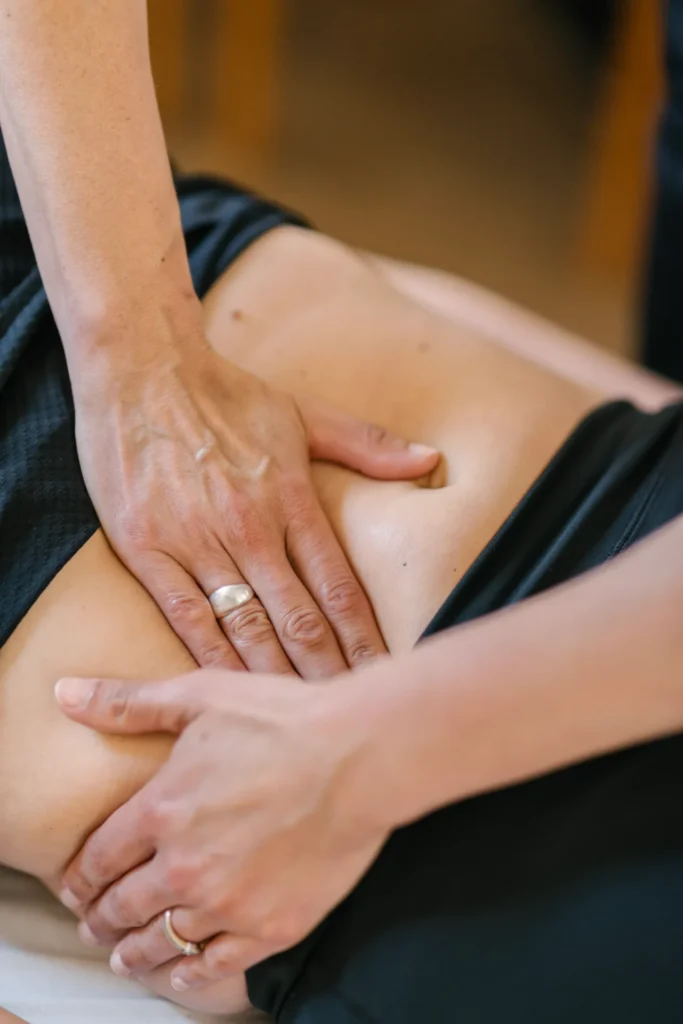
Caesarean Section Scar Assessment
Following a Caesarean birth, scar mobility and tissue healing may influence comfort and movement.
Assessment may include:
- Scar mobility
- Tissue sensitivity
- Abdominal wall function
- Recovery guidance
Perineal Scar Management
Women who have experienced tears or episiotomy may benefit from assessment and management of:
- Scar discomfort
- Tightness
- Pain
- Pelvic floor dysfunction
Post-Pregnancy Back Pain
Changes in posture, lifting demands and muscle weakness can contribute to ongoing pain after childbirth.
We commonly help women experiencing:
- Lower back pain
- Pelvic girdle pain
- Hip discomfort
- Sacroiliac joint pain
Mastitis
Mastitis is inflammation of the breast tissue that commonly develops during breastfeeding and can make feeding painful and uncomfortable.
Symptoms may include:
- Breast pain, tenderness or discomfort
- Swelling, firmness or a lump in the breast
- Redness or warmth over the area
- Pain when feeding
- Reduced milk supply
- Fatigue, headache or cold-like symptoms
When to Book
When Should I Have A Post-Natal Assessment?
Many women benefit from assessment from around six weeks after birth, although timing varies depending on individual circumstances and type of delivery.
Assessment can also be valuable months or even years after childbirth if symptoms persist or new concerns develop.
It is never too late to seek support for postnatal recovery.
Treatment
Treatment And Rehabilitation
Following assessment, treatment may include:
01
Pelvic Floor Rehabilitation
Targeted exercises designed to improve:
- Strength
- Coordination
- Endurance
- Function
02
Core Rehabilitation
Specific exercises help restore:
- Abdominal control
- Stability
- Functional strength
- Movement confidence
03
Manual Therapy
Where appropriate, hands-on treatment may be used to address:
- Muscle tightness
- Joint stiffness
- Scar tissue restrictions
- Postural discomfort
04
Exercise Prescription
You will receive an individualised programme designed to support your recovery and long-term health goals.
05
Lifestyle And Activity Advice
Practical guidance may include:
- Lifting techniques
- Childcare-related movements
- Exercise progression
- Bladder health strategies
- Bowel health management
Exercise
Returning To Exercise After Pregnancy
One of the most common reasons women seek a post-natal assessment is to safely return to exercise.
We provide personalised guidance for:
- Walking programmes
- Gym training
- Running
- Pilates
- Strength training
- High-impact exercise
- Recreational sports
Our recommendations are tailored to your recovery stage and individual goals.
Why The Forge Clinic
Why Choose The Forge Clinic For Post-Natal Care In Richmond?
01
Specialist Women's Health Expertise
Our postnatal assessments are designed specifically around the physical demands of pregnancy, childbirth and motherhood.
02
Individual Recovery Plans
Every woman receives a personalised assessment and rehabilitation programme tailored to her goals and circumstances.
03
Evidence-Based Care
We follow recognised professional standards, including guidance from:
- NICE
- POGP (Pelvic, Obstetric and Gynaecological Physiotherapy)
04
Whole-Person Approach
We consider your lifestyle, activity goals, symptoms and recovery priorities to create a plan that works for you.
05
Convenient Richmond Location
We support women throughout Richmond and the surrounding areas, including Kew, Sheen, Ham, Twickenham, Mortlake, St Margarets and Petersham.
Team
Meet Your Post-Natal Assessment Practitioner
FAQs
Frequently Asked Questions
Do I need symptoms to have a post-natal assessment?
No. Many women choose an assessment as a proactive health check before returning to exercise or higher-impact activities.
Is an internal pelvic floor examination mandatory?
No. Internal assessment is always optional and only performed with your informed consent.
Can you help after a Caesarean birth?
Yes. We assess abdominal recovery, scar mobility, core strength and return-to-activity readiness following Caesarean delivery.
What if my baby is several months or years old?
A post-natal assessment can still be beneficial, even long after childbirth, particularly if symptoms remain unresolved.