Condition
What Is Back Pain?
Back pain describes pain, stiffness or discomfort affecting the muscles, joints, discs, ligaments or nerves of the spine. It most commonly affects the lower back, but symptoms can also occur through the mid-back, upper back or around the pelvis.
Back pain can be acute, meaning it has come on recently, or chronic, meaning it has persisted for several months or repeatedly returns. Many cases are mechanical, which means symptoms are influenced by how the spine, muscles and joints are moving and loading.
Back pain can also involve nerve irritation, especially when symptoms travel into the buttock, thigh, calf or foot. This may be linked with sciatica, disc irritation, nerve root compression or lumbar radiculopathy.
Most back pain is not serious, but it can still be painful, limiting and disruptive. A thorough assessment helps identify the likely cause and the most appropriate treatment approach.
Symptoms
Common Symptoms of Back Pain
Back pain symptoms can vary widely depending on the structures involved and how your body is responding.
Common symptoms include:
- Lower back pain
- Mid-back or upper back discomfort
- Morning stiffness
- Sharp pain when bending, lifting or twisting
- Dull aching after sitting or standing
- Muscle spasms
- Reduced spinal mobility
- Pain spreading into the buttock or leg
- Pins and needles, numbness or tingling
- Weakness in the leg
- Pain during walking, running or sport
- Difficulty getting comfortable at night
- Recurring flare-ups after activity
If you experience new loss of bladder or bowel control, numbness around the saddle area, unexplained weight loss, fever, major trauma or progressive leg weakness, seek urgent medical advice.
What We Treat
Types of Back Pain We Treat
At The Forge Clinic, we regularly assess and treat a wide range of back pain presentations.
Acute Back Pain
Acute back pain often appears suddenly after lifting, twisting, exercise or an awkward movement. Treatment focuses on calming symptoms, restoring comfortable movement and helping you return to normal activity safely.
Chronic Back Pain
Chronic back pain may last for several months or return repeatedly. Management often involves a combination of hands-on treatment, exercise rehabilitation, education, lifestyle guidance and confidence-building movement strategies.
Mechanical Back Pain
Mechanical back pain is often influenced by movement, posture, strength, mobility and loading patterns. It may feel worse with certain positions or activities and better with movement, rest or treatment.
Disc-Related Back Pain
Disc irritation or disc herniation can contribute to local back pain and, in some cases, symptoms that travel into the leg. Treatment aims to reduce irritation, improve movement and support gradual return to activity.
Sciatica and Nerve-Related Pain
Sciatica describes pain that travels from the lower back or buttock into the leg. It may be associated with nerve root compression, disc irritation or lumbar radiculopathy. You may also benefit from our dedicated Sciatica page.
Degenerative Lower Back Pain
Age-related changes such as spondylosis can contribute to stiffness, aching and reduced mobility. Treatment focuses on improving strength, movement and day-to-day function.
Spondylolisthesis, Pars Fractures and Bony Stress Injuries
These conditions require careful assessment and appropriate rehabilitation planning, particularly in active adults, adolescents and sports participants.
Causes
What Causes Back Pain?
Back pain is rarely caused by one single factor. It is often the result of several contributing elements.
Possible causes and contributors include:
Understanding what is contributing to your symptoms is key to building an effective treatment plan.
Assessment Process
How We Assess Back Pain
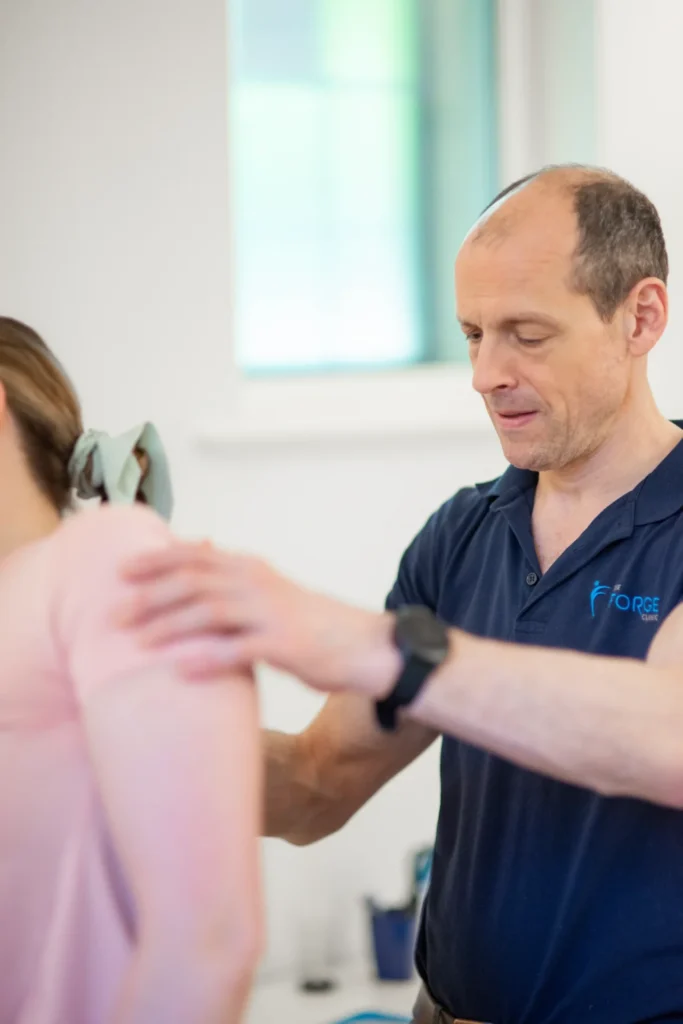
Your first appointment begins with a detailed consultation. We will ask about your symptoms, medical history, lifestyle, work demands, exercise habits and recovery goals.
Your assessment may include:
- Spinal movement testing
- Strength assessment
- Neurological screening
- Postural and functional movement analysis
- Hip and pelvic mobility assessment
- Gait or sport-specific movement review
- Screening for signs that may require onward referral
We will explain our findings clearly and discuss the most appropriate treatment options for you.
Treatment
Treatment for Back Pain in Richmond
Your treatment plan will depend on your symptoms, diagnosis, goals and stage of recovery.
01
Physiotherapy for Back Pain
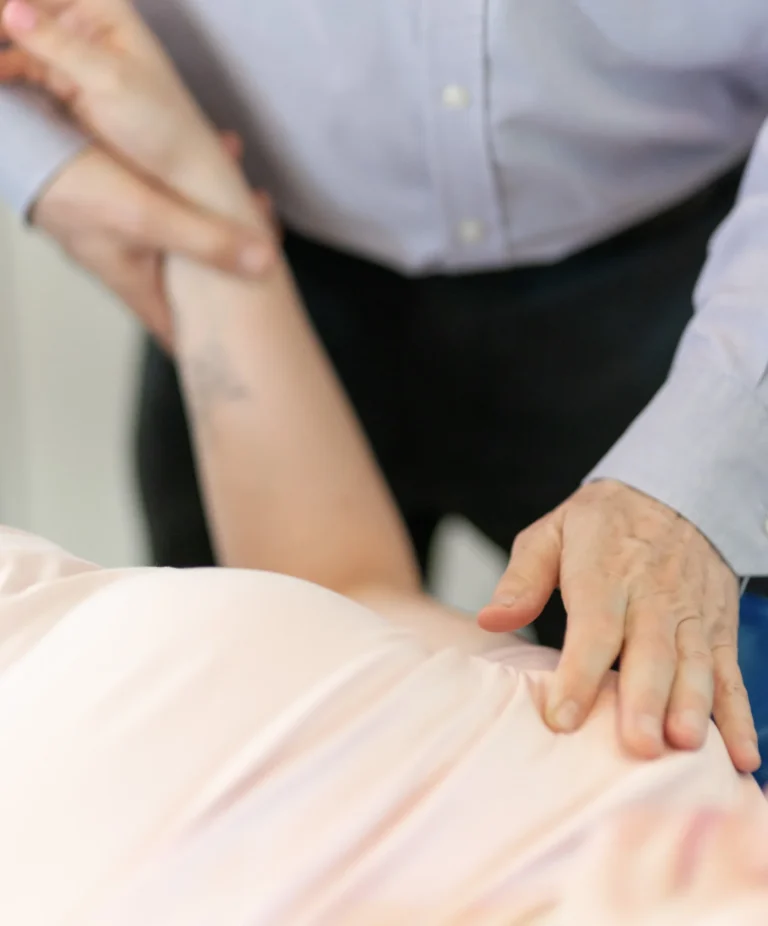
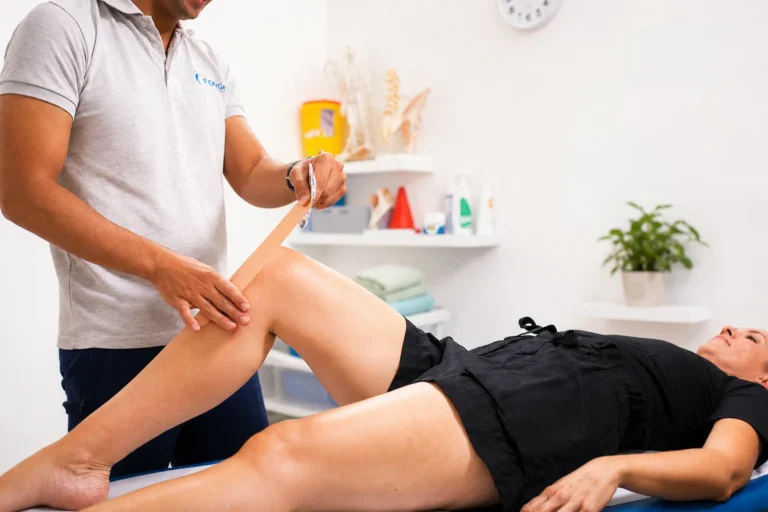
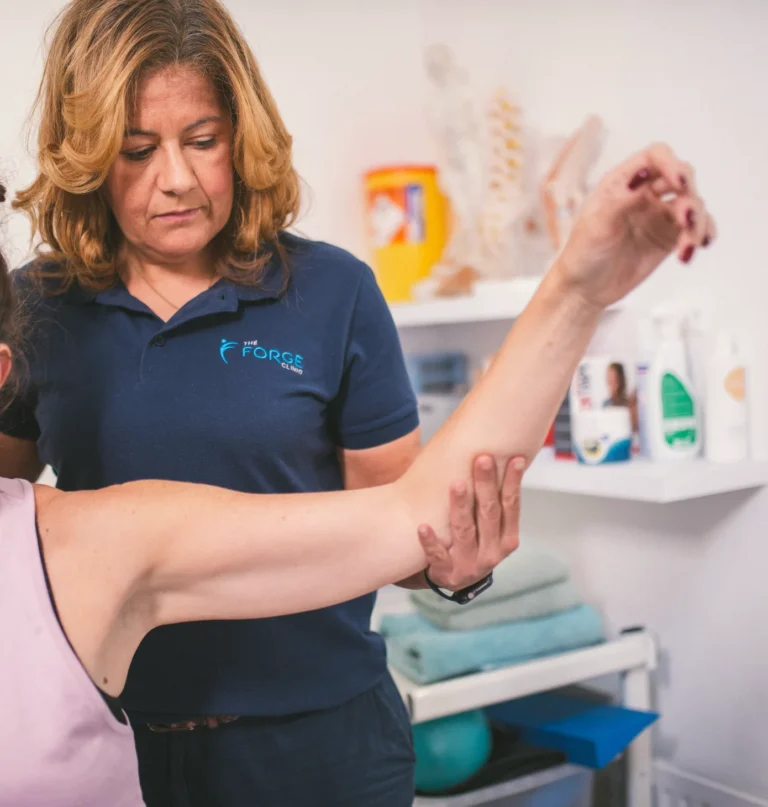
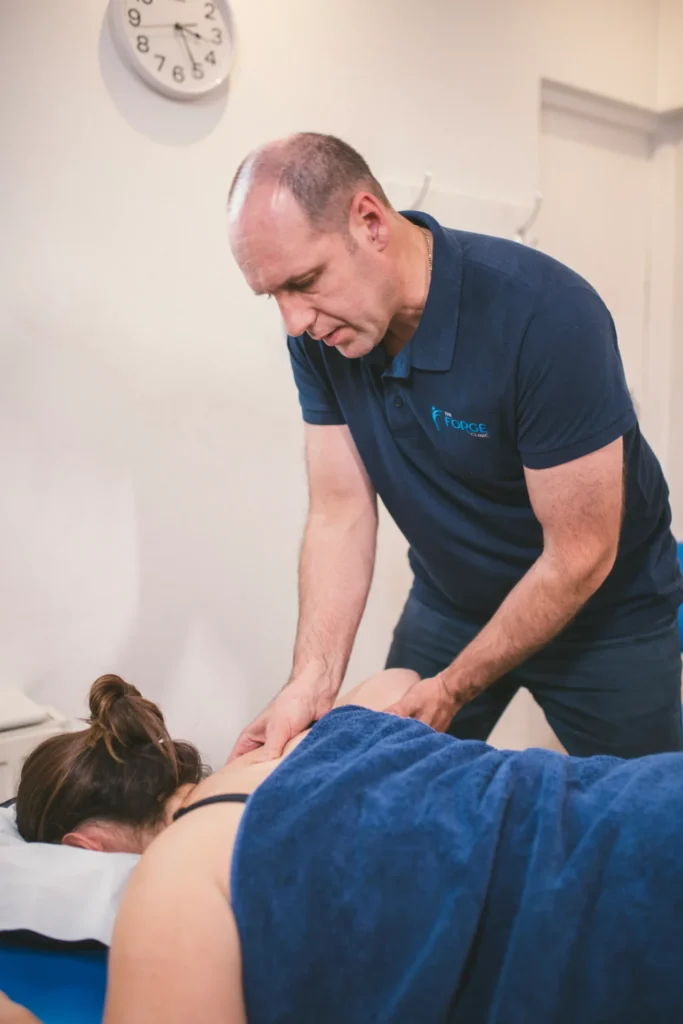
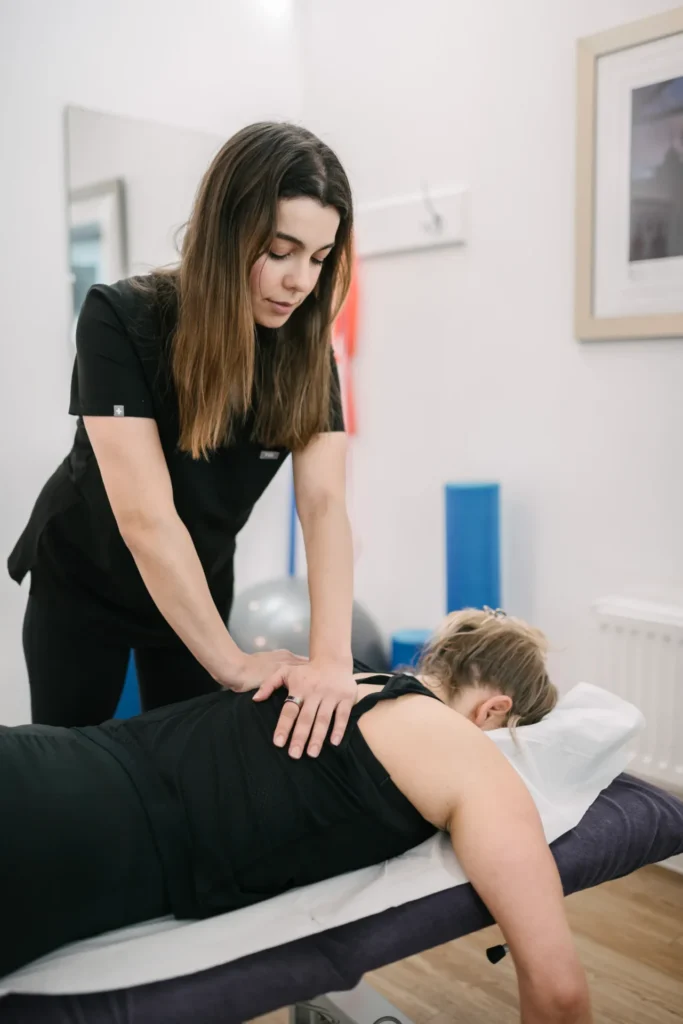
Physiotherapy can help improve strength, mobility, movement control and confidence. Treatment may include manual therapy, exercise rehabilitation, education and return-to-activity planning.
02
Osteopathy for Back Pain
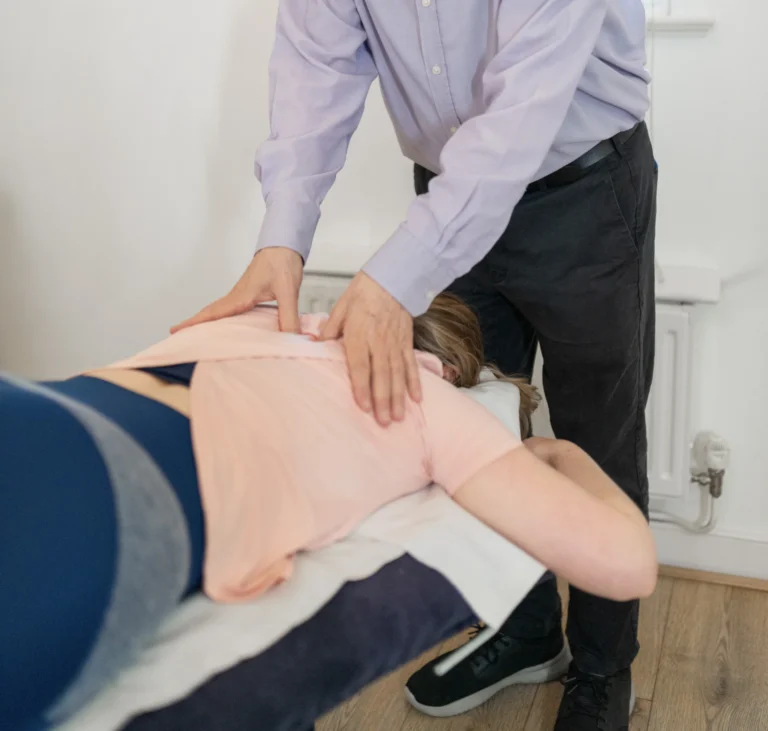
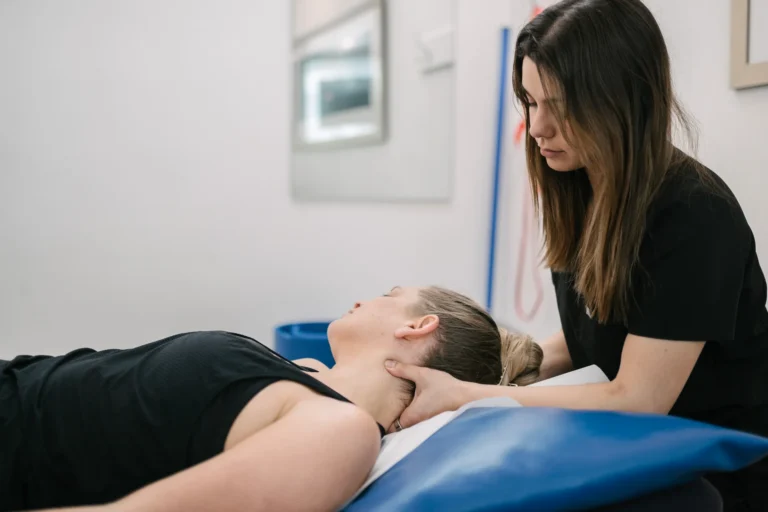
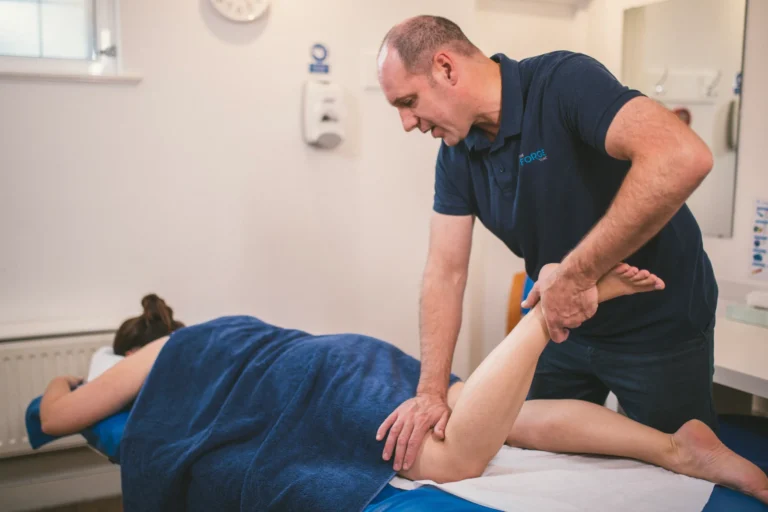
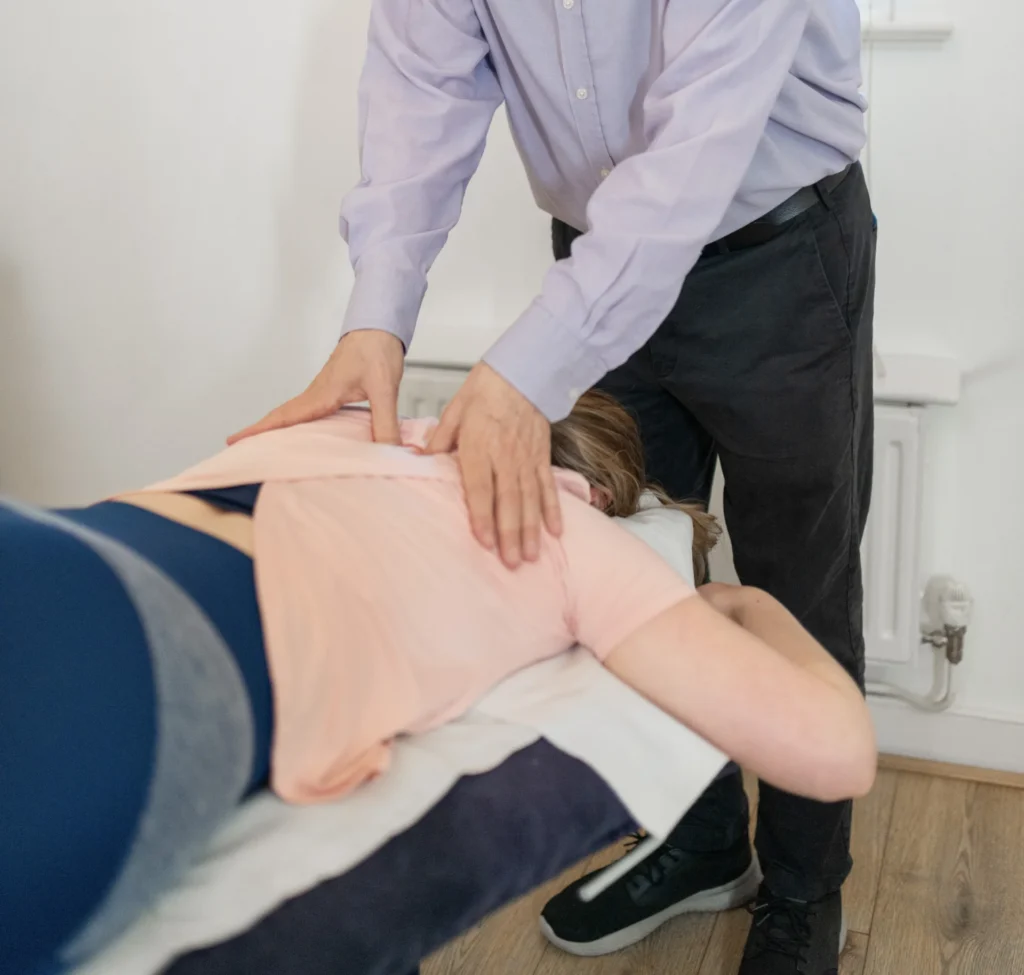
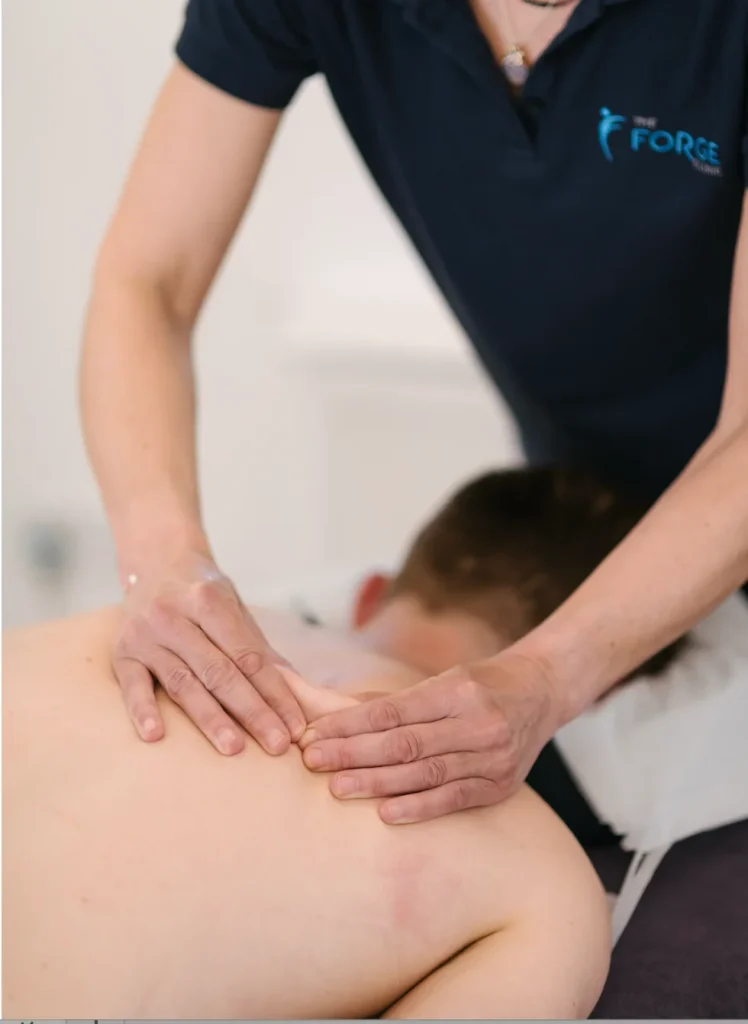
Osteopathy uses hands-on techniques to help improve joint mobility, reduce muscular tension and support better movement through the spine and surrounding areas.
03
Clinical Exercise and Pilates
Clinical Exercise and One-to-One Clinical Pilates can be particularly helpful for recurring or chronic back pain by improving strength, balance, core control and movement efficiency.
04
Acupuncture for Pain Management
Acupuncture may be used in certain cases to help manage pain, reduce muscular tension and support overall treatment.
05
Massage Therapy for Muscle Tension
Massage Therapy and Sports & Remedial Massage may help when muscular tightness, stress or soft tissue tension are contributing to your symptoms.
Why The Forge Clinic
Why Choose The Forge Clinic?
The Forge Clinic is a multidisciplinary healthcare clinic in Richmond, providing personalised treatment for back pain and related conditions.
Patients choose us because we offer:
- Experienced Physiotherapists, Osteopaths and rehabilitation specialists
- A whole-person approach to assessment and treatment
- Evidence-informed care guided by NICE and professional standards
- Tailored rehabilitation rather than generic exercise plans
- Support for both acute and chronic back pain
- Convenient Richmond location close to local transport links
Team
Meet The Team
Our practitioners are registered with major private health insurers. Please contact our reception team for current insurer information and eligibility.
FAQs
Frequently Asked Questions
What is the best treatment for back pain?
The best treatment depends on the cause of your symptoms. Many people benefit from a combination of manual therapy, exercise rehabilitation, education and gradual return to activity.
Can Physiotherapy help back pain?
Yes. Physiotherapy is commonly used to assess and treat back pain, helping improve strength, mobility, movement confidence and long-term function.
Can Osteopathy help back pain?
Osteopathy may help back pain by improving joint mobility, easing muscle tension and supporting better movement patterns.
Is back pain always caused by a disc problem?
No. Back pain can come from muscles, joints, discs, nerves or a combination of factors. A detailed assessment helps identify the most likely source.
Should I rest if I have back pain?
Short periods of relative rest may help during a flare-up, but prolonged rest is rarely recommended. Gentle movement and appropriate activity are usually helpful.
When should I seek urgent medical advice?
Seek urgent advice if you experience new bladder or bowel changes, numbness around the saddle area, progressive leg weakness, fever, unexplained weight loss or severe pain following major trauma.