Condition
What Is Pelvic Girdle Pain?
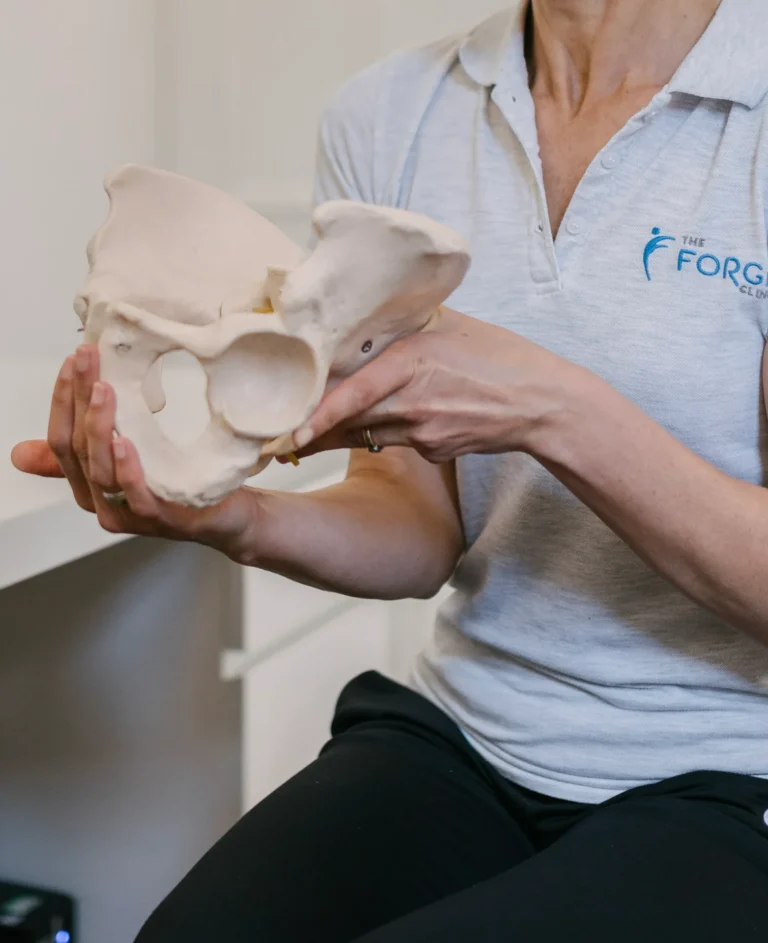
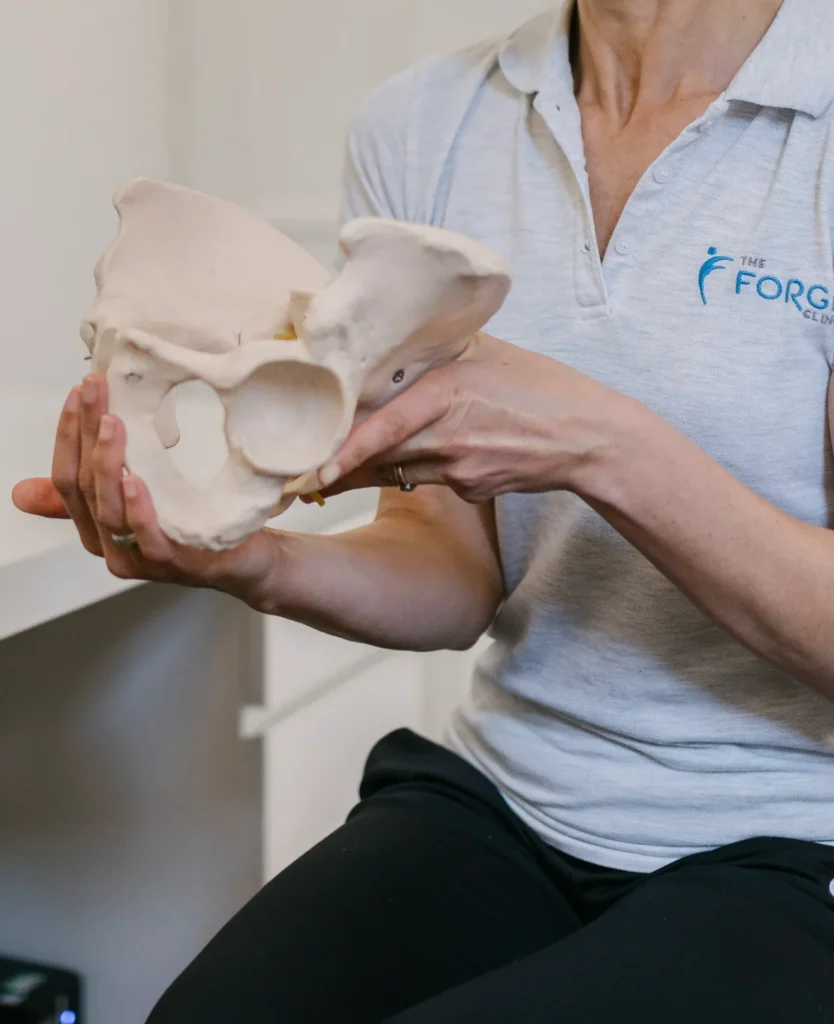
The pelvic girdle consists of three joints:
- The left sacroiliac joint
- The right sacroiliac joint
- The pubic symphysis at the front of the pelvis
Pelvic girdle pain occurs when one or more of these joints becomes irritated or when surrounding muscles are unable to provide adequate support and stability.
Pain may be felt in the front, back or sides of the pelvis and can sometimes radiate into the hips, groin, buttocks or upper thighs.
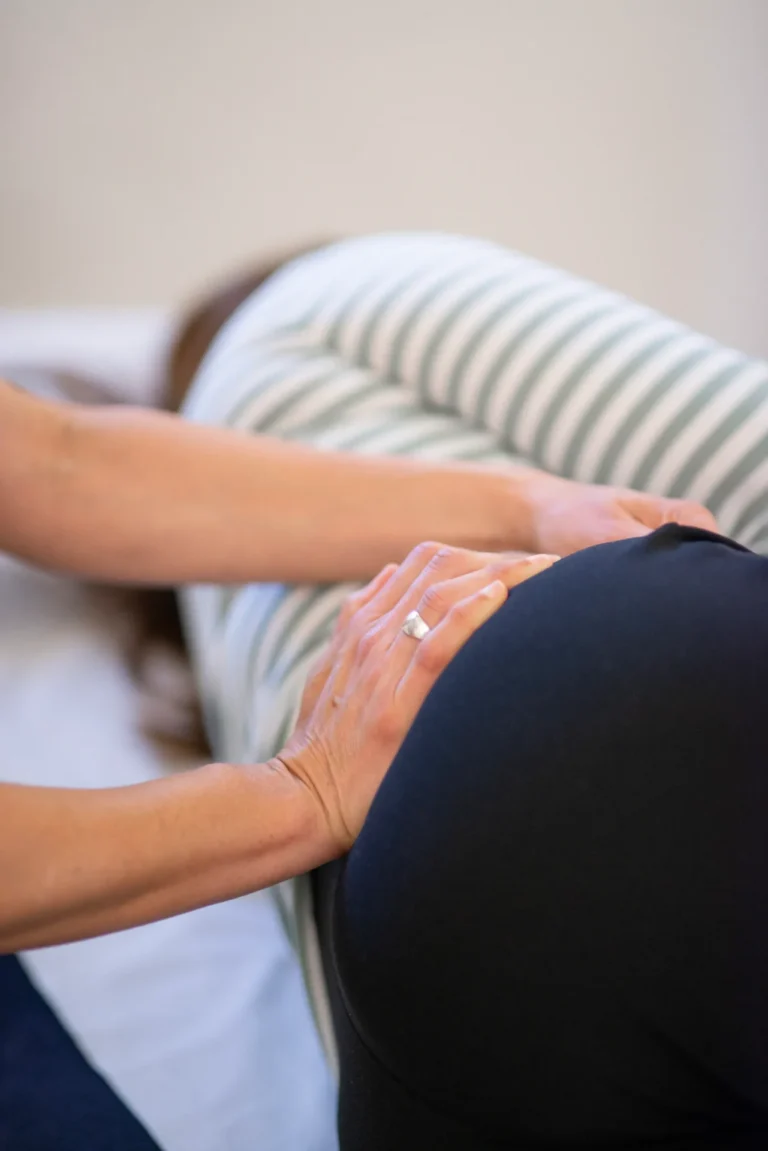
The condition is particularly common during pregnancy due to hormonal and biomechanical changes but may also occur following injury, surgery, sporting activity or periods of prolonged physical strain.
Symptoms
Common Symptoms of Pelvic Girdle Pain
Symptoms vary between individuals but commonly include:
- Groin pain
- Pain around the pelvis or lower back
- Hip pain
- Pain over one or both sacroiliac joints
- Buttock pain
- Pain during prolonged standing
- Difficulty walking
- Pain when climbing stairs
- Pain turning in bed
- Pain when standing on one leg
- Discomfort during exercise
- Difficulty getting in and out of a car
- Reduced mobility
- Pelvic instability sensations
- Pain at the pubic bone
- Pain when carrying children or lifting
Symptoms often fluctuate depending on activity levels and position.
What We Treat
Common Causes of Pelvic Girdle Pain
Pelvic girdle pain can develop for a variety of reasons.
Pregnancy-Related Pelvic Girdle Pain
Hormonal changes, increased joint mobility and altered movement patterns during pregnancy can place additional stress on the pelvis.
Postpartum Recovery
Some women continue to experience pelvic pain after childbirth as tissues recover and strength returns.
Muscle Imbalances
Weakness or dysfunction in the core, pelvic floor, hip or gluteal muscles can contribute to excessive strain on pelvic structures.
Sporting Injuries
Running, impact sports and repetitive loading can occasionally trigger pelvic girdle symptoms.
Previous Injury or Surgery
Past trauma, pelvic surgery or lower limb injuries may alter movement patterns and increase stress on the pelvis.
Assessment Process
How We Assess Pelvic Girdle Pain
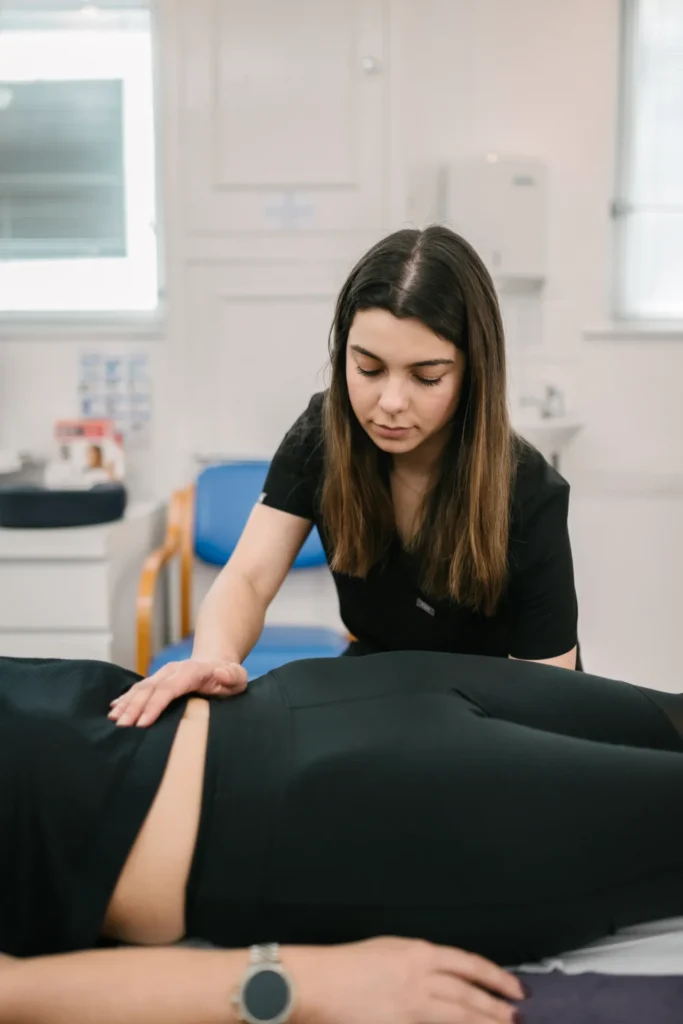
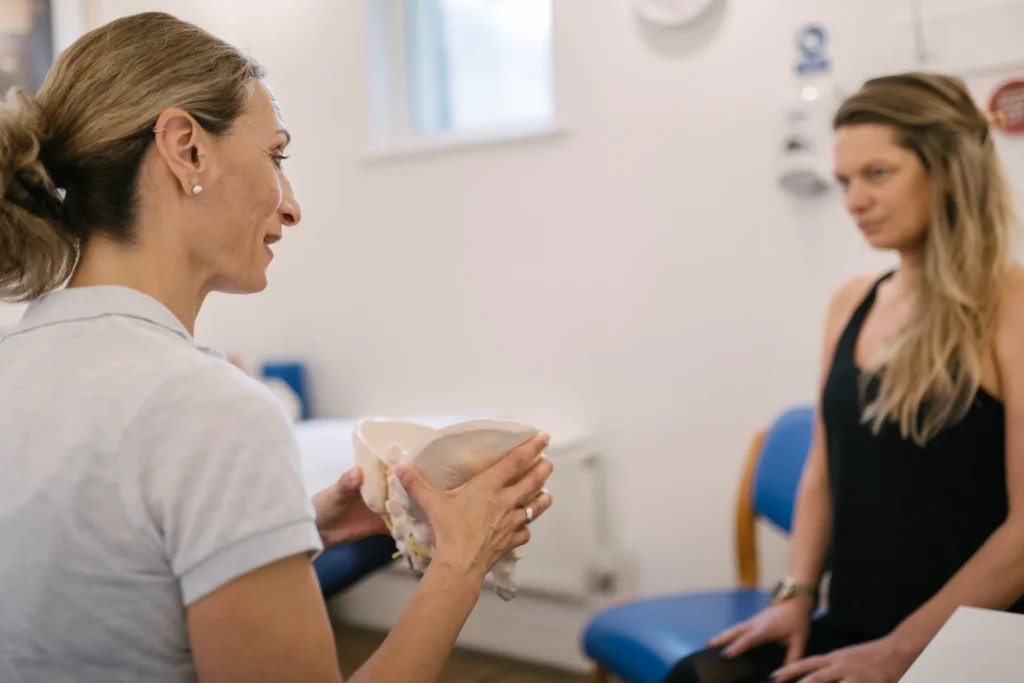
Accurate diagnosis is essential because symptoms can overlap with lower back pain, hip conditions and pelvic floor dysfunction.
Your assessment may include:
- Detailed medical history
- Movement assessment
- Walking analysis
- Functional testing
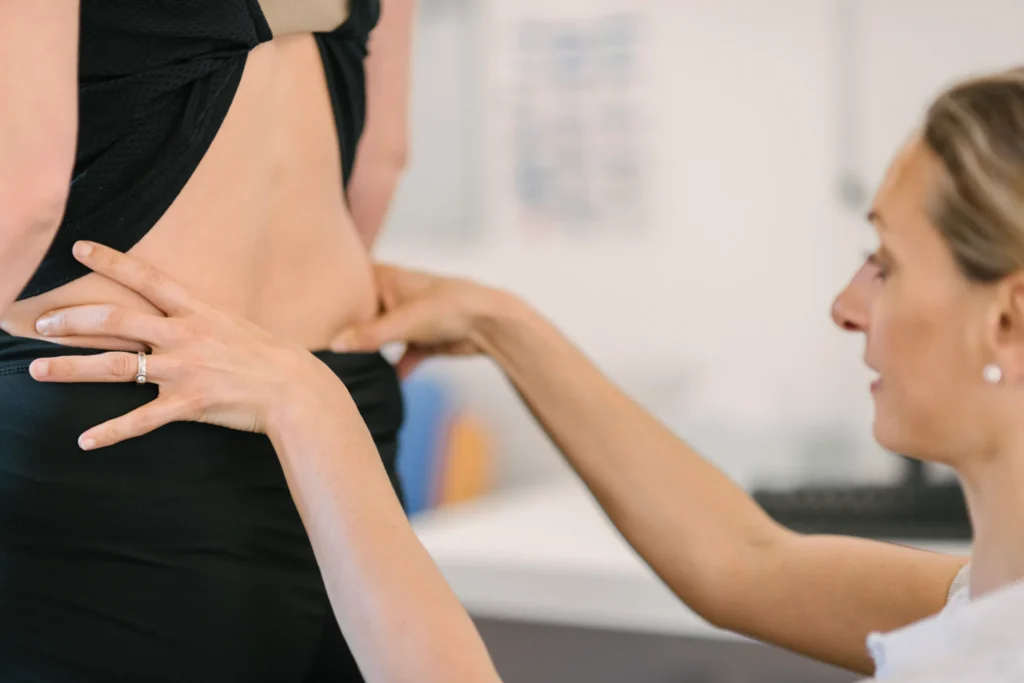
- Pelvic joint assessment
- Core muscle evaluation
- Hip strength testing
- Pelvic floor assessment where appropriate
- Pregnancy or postnatal screening
We take time to understand how your symptoms affect your daily life and tailor treatment accordingly.
Treatment
Pelvic Girdle Pain Treatment in Richmond
Treatment focuses on reducing pain, improving stability and restoring confidence in movement.
01
Pelvic Health Physiotherapy
Specialist Physiotherapy is often highly effective for pelvic girdle pain.
Treatment may include:
- Postural guidance
- Individual rehabilitation programmes
- Pelvic stability exercises
- Core strengthening
- Gluteal strengthening
- Movement retraining
- Activity modification advice
- Return-to-exercise planning
02
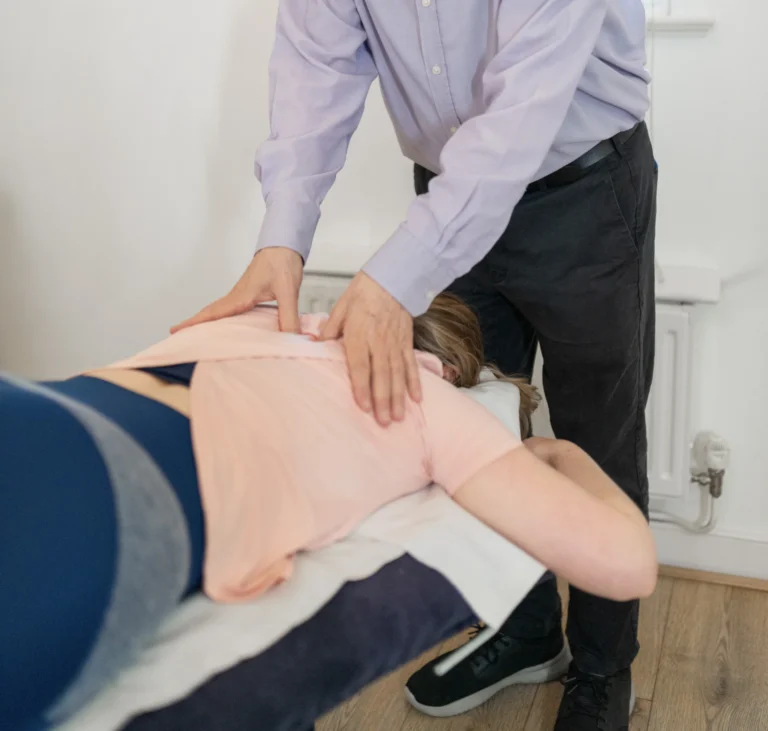
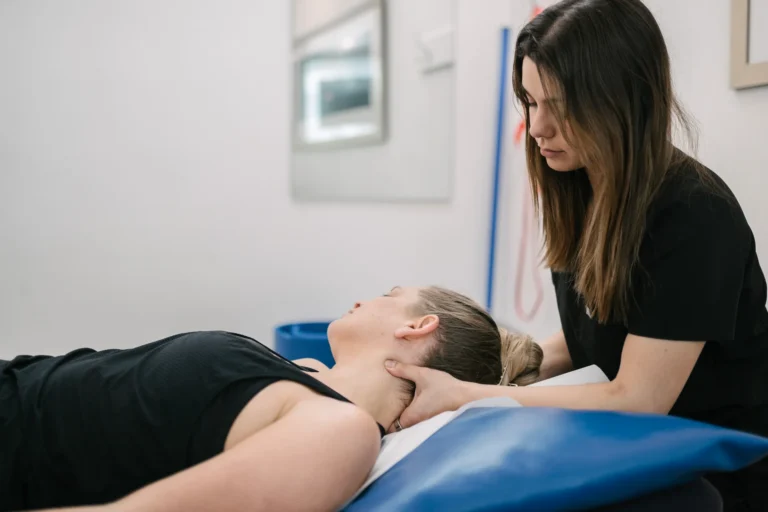
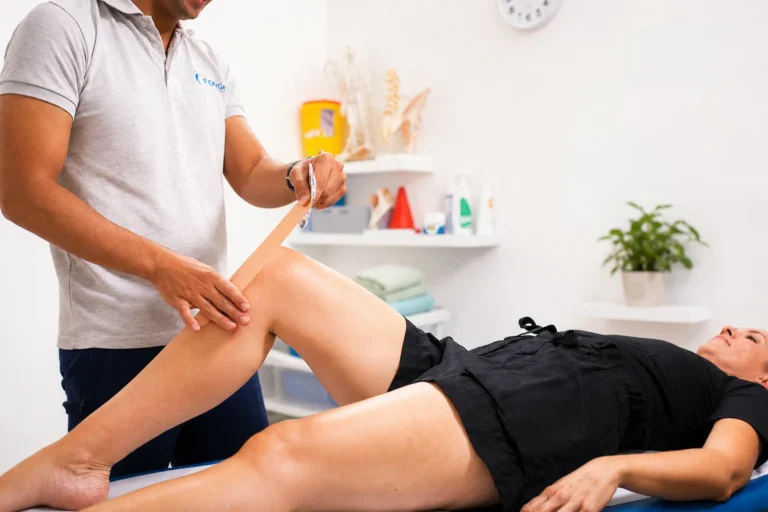
Manual Therapy
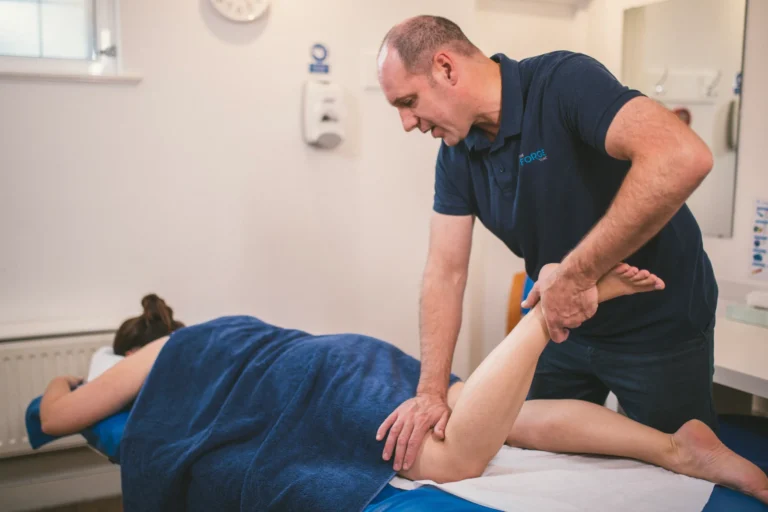
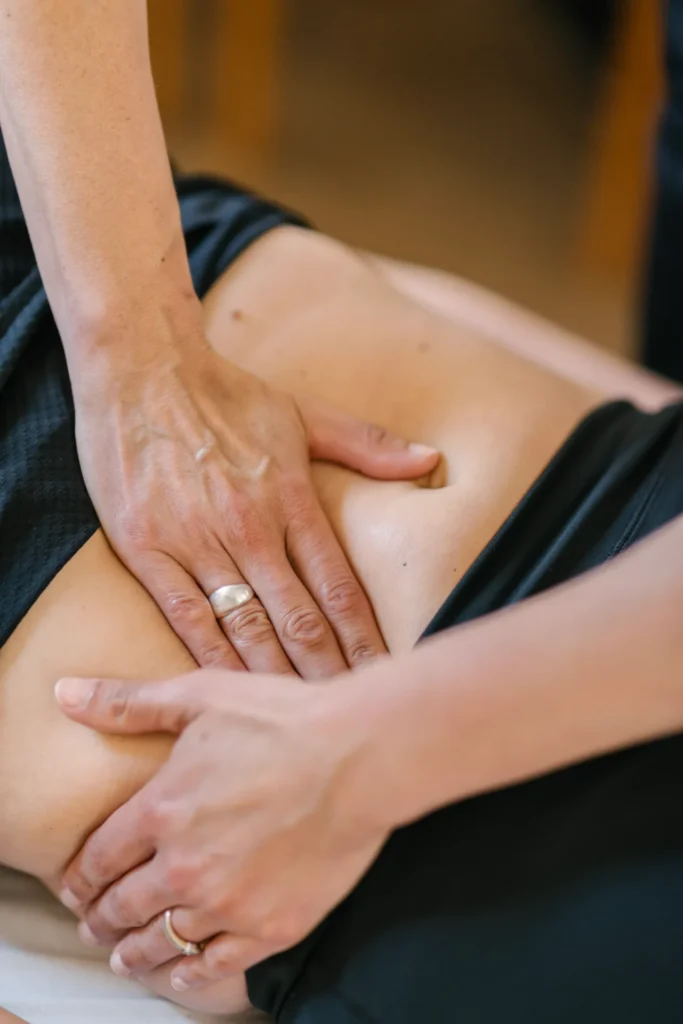
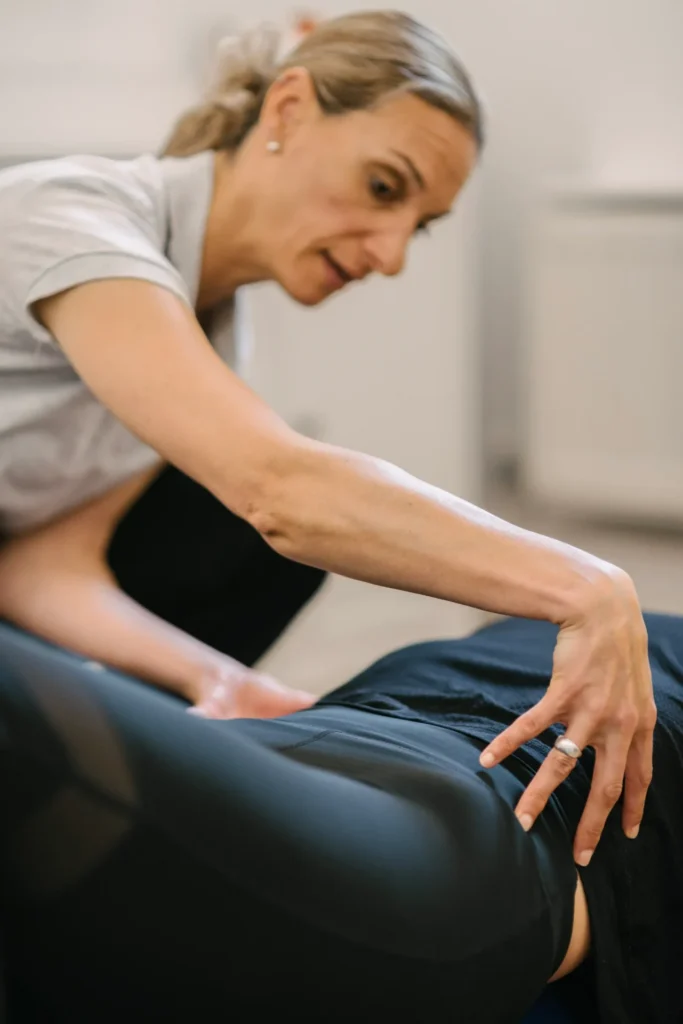
Hands-on treatment may help improve mobility, reduce muscle tension and support overall recovery.
03
Pregnancy and Postnatal Rehabilitation
Our clinicians provide specialist support during pregnancy and after childbirth, helping patients manage symptoms safely while maintaining activity levels.
04
Pelvic Floor Rehabilitation
Pelvic floor function can play an important role in pelvic stability and symptom management.
Where appropriate, treatment may include pelvic floor assessment and rehabilitation as part of a comprehensive recovery plan.
Know the Signs
Pelvic Girdle Pain During Pregnancy
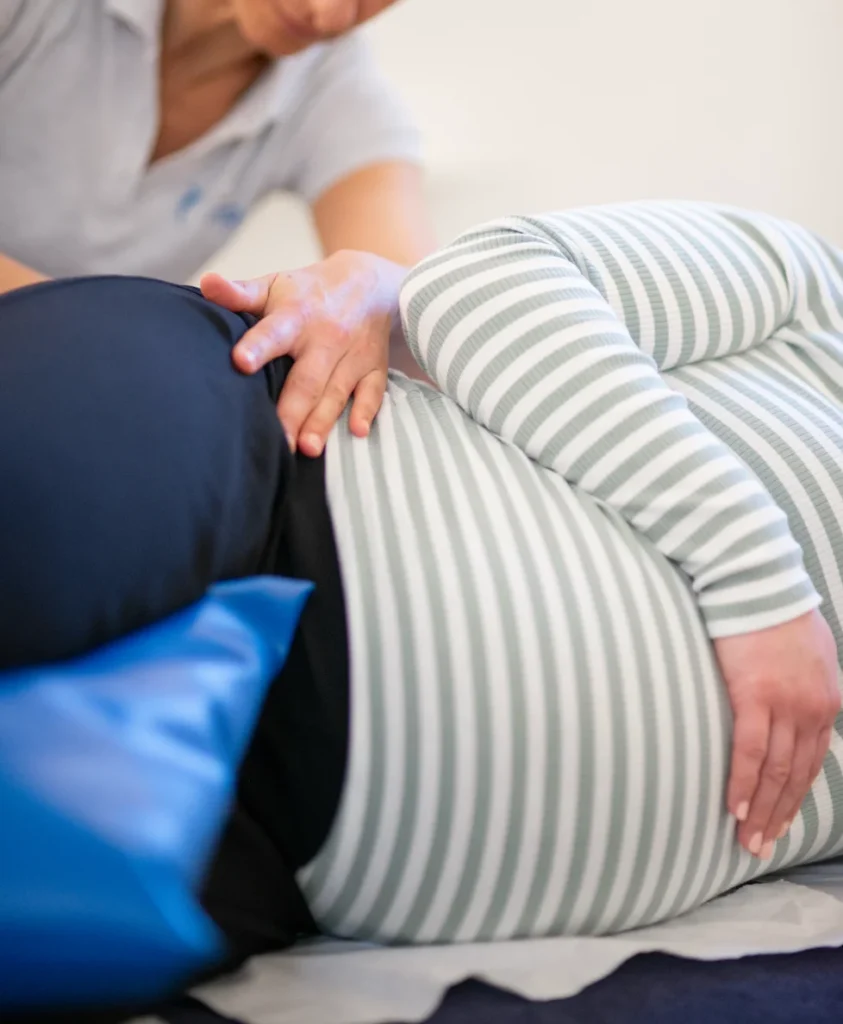
Pregnancy-related pelvic girdle pain is common and can range from mild discomfort to significant functional limitations.
Early assessment and treatment can often:
- Reduce pain levels
- Improve mobility
- Support exercise participation
- Improve sleep comfort
- Enhance confidence during pregnancy
- Prepare for postpartum recovery
Treatment plans are always adapted to the stage of pregnancy and individual needs.
Prevention & Self-Care
Postnatal Pelvic Girdle Pain
Some women continue to experience symptoms after childbirth.
Factors that may contribute include:
- Pelvic floor weakness
- Core weakness
- Abdominal separation (diastasis recti)
- Persistent joint irritation
- Deconditioning
- Physical demands of caring for a baby
Our postnatal rehabilitation programmes are designed to restore strength, confidence and function progressively.
Why The Forge Clinic
Why Choose The Forge Clinic?
At The Forge Clinic, we provide specialist Pelvic Health Physiotherapy supported by evidence-based assessment and rehabilitation.
Patients choose us because we offer:
- Specialist pelvic health expertise
- Pregnancy and postnatal care
- Individual rehabilitation programmes
- Thorough assessments
- Hands-on treatment where appropriate
- Long-term recovery strategies
- Convenient Richmond location
Team
Meet The Team
Our multidisciplinary team works together to support patients with pelvic girdle pain, pregnancy-related conditions and postnatal recovery.
FAQs
Frequently Asked Questions
Is pelvic girdle pain the same as sciatica?
No. While both can cause pain around the pelvis and hips, sciatica involves nerve irritation whereas pelvic girdle pain arises from the joints and muscles surrounding the pelvis.
Can pelvic girdle pain occur without pregnancy?
Yes. Although common during pregnancy, pelvic girdle pain can affect anyone due to injury, sporting activity, muscle dysfunction or biomechanical factors.
Is exercise safe with pelvic girdle pain?
In most cases, yes. Appropriate exercise is often an important part of recovery when guided by an experienced clinician.
Will pelvic girdle pain go away after pregnancy?
Many women improve after childbirth, although some require additional rehabilitation to restore strength and function fully.
Can Physiotherapy help pelvic girdle pain?
Yes. Specialist Pelvic Health Physiotherapy is considered one of the most effective treatments for managing pelvic girdle pain and improving mobility.