
Condition
What Is Sciatica?
Sciatica describes symptoms caused by irritation, inflammation or compression of the sciatic nerve or one of the nerve roots that contribute to it.
The sciatic nerve is the largest nerve in the body and travels from the lower back through the buttocks and down each leg.
When the nerve becomes irritated, symptoms can develop anywhere along its pathway.
Sciatica is a symptom rather than a diagnosis itself. The underlying cause may vary from person to person.
Symptoms
Common Symptoms of Sciatica
Symptoms often affect one side of the body and may include:
- Muscle weakness
- Pain radiating from the lower back into the buttock and leg
- Difficulty walking
- Sharp, shooting or burning pain
- Calf pain
- Tingling or pins and needles
- Foot pain
- Numbness in the leg or foot
- Leg heaviness
- Pain when sitting for prolonged periods
- Reduced mobility
- Symptoms that worsen when coughing or sneezing
- Lower back stiffness
- Difficulty exercising or playing sport
Symptoms may range from mild discomfort to severe nerve pain.

What We Treat
Common Causes of Sciatica
Several conditions can irritate or compress the sciatic nerve.
Disc Herniation
One of the most common causes of sciatica is a lumbar disc herniation, where disc material irritates a nearby nerve root.
Lumbar Radiculopathy
Radiculopathy occurs when a spinal nerve root becomes irritated or compressed, creating pain and neurological symptoms down the leg.
Degenerative Changes
Age-related changes within the spine may narrow the spaces around nerves and contribute to sciatic symptoms.
Spinal Stenosis
Narrowing of the spinal canal can place pressure on nerve structures and cause leg symptoms.
Spondylolisthesis
A vertebra slipping forward relative to another can sometimes irritate nearby nerve roots.
Piriformis Syndrome
In some cases, muscles deep within the buttock may contribute to sciatic-type symptoms.
Assessment Process
How We Assess Sciatica
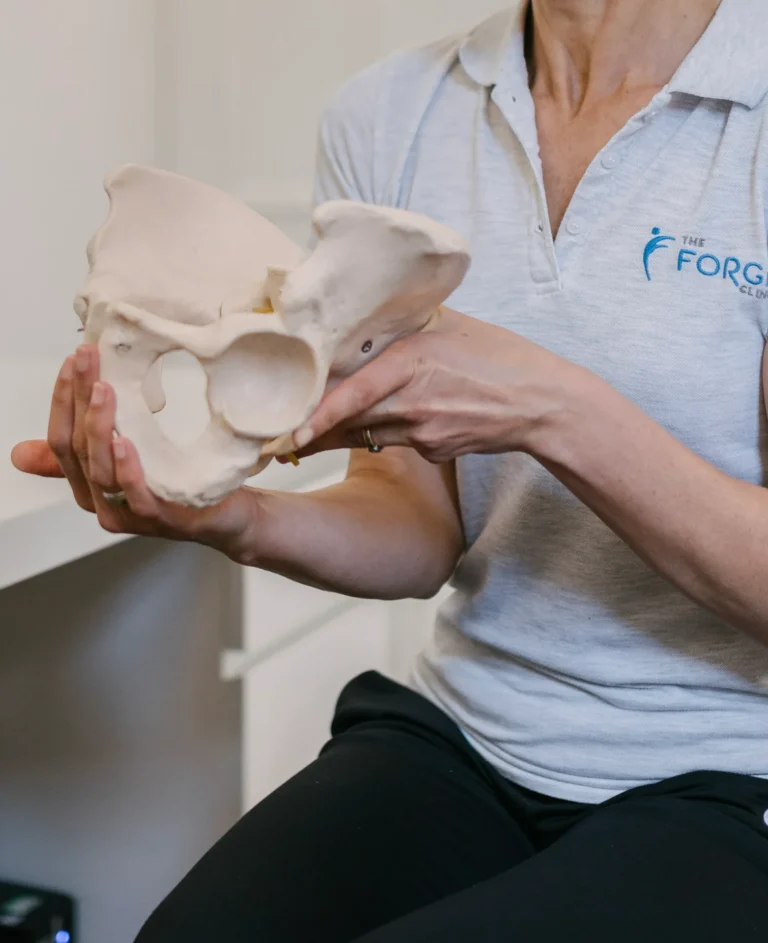
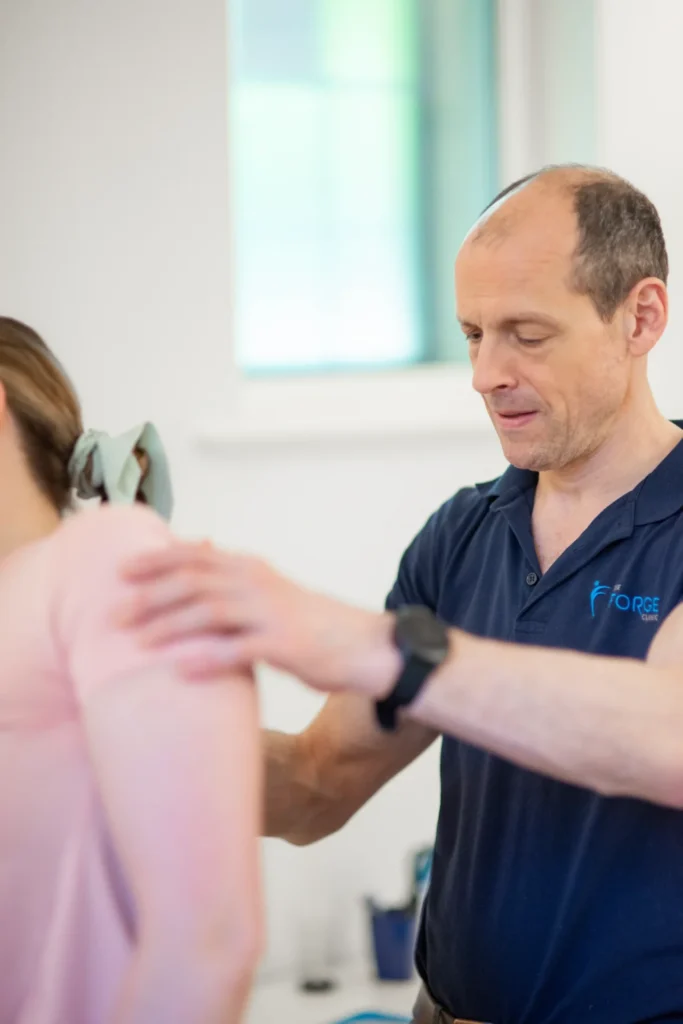
A thorough assessment is essential to identify the underlying cause of your symptoms.
Your clinician will assess:
- Symptom behaviour
- Pain distribution
- Nerve function
- Strength
- Reflexes
- Joint mobility
- Movement patterns
- Walking mechanics
- Functional limitations
We also screen for any signs that may require further medical investigation.
Treatment
Treatment for Sciatica in Richmond
Treatment is tailored to the underlying cause of your symptoms and your individual goals.
01
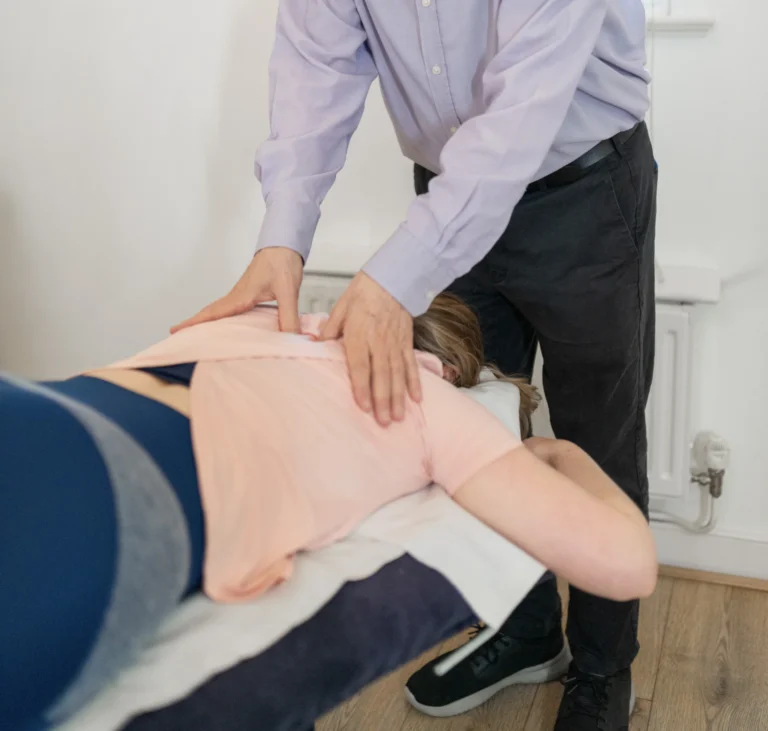
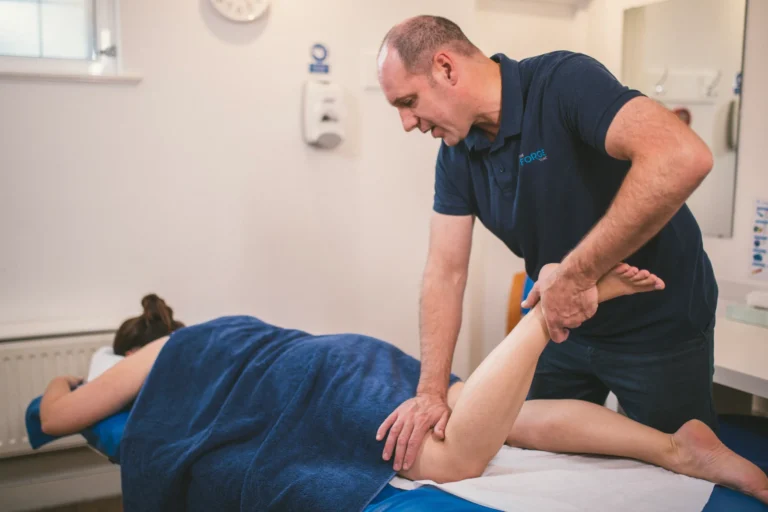
Physiotherapy for Sciatica
Physiotherapy aims to reduce nerve irritation, restore movement and improve function.
Treatment may include:
- Mobility exercises
- Individualised exercise programmes
- Strengthening programmes
- Postural advice
- Movement retraining
- Return-to-activity planning
02
Osteopathy for Sciatica
Osteopathic may help improve spinal mobility, reduce muscular tension and support recovery.
03
Acupuncture for Pain Management
Acupuncture may be used in selected cases to assist with pain management and symptom reduction as part of a broader rehabilitation programme.
04
Exercise Rehabilitation
Exercise is often one of the most important components of successful recovery.
Programmes may focus on:
- Core stability
- Spinal mobility
- Nerve mobility exercises
- Strength training
- Functional movement
- Activity progression
Know the Signs
When Should You Seek Help?
While many episodes of sciatica improve over time, assessment is recommended if:
- Symptoms are worsening
- Pain is affecting sleep
- Walking becomes difficult
- Weakness develops
- Symptoms persist beyond several weeks
- Daily activities are significantly limited
Early intervention can often reduce recovery time and help prevent recurrence.

Prevention & Self-Care
Preventing Future Sciatica Episodes
Many people recover fully from sciatica but may benefit from strategies to reduce the likelihood of recurrence.
These may include:
- Improving strength and conditioning
- Increasing spinal mobility
- Optimising lifting techniques
- Managing training loads
- Improving workplace ergonomics
- Maintaining regular physical activity
Your clinician will provide guidance specific to your needs and lifestyle.
Why The Forge Clinic
Why Choose The Forge Clinic?
At The Forge Clinic, we take a multidisciplinary approach to diagnosing and treating sciatica.
Patients choose us because we offer:
- Experienced physiotherapists and osteopaths
- Thorough assessments
- Evidence-based rehabilitation
- Individual exercise programmes
- Hands-on treatment where appropriate
- Long-term prevention strategies
- Convenient Richmond location
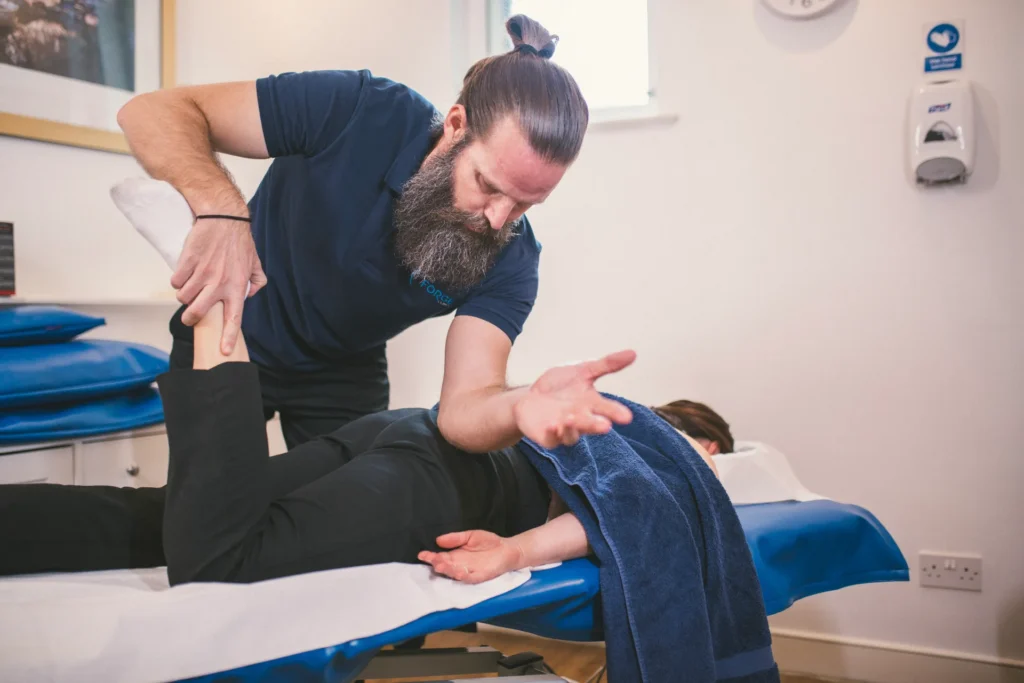
Team
Meet The Team
Our multidisciplinary team regularly helps patients recover from sciatica, nerve-related leg pain and lower back conditions.
FAQs
Frequently Asked Questions
How long does sciatica last?
Many episodes improve within a few weeks, although recovery times vary depending on the underlying cause and severity of symptoms.
Can Physiotherapy help sciatica?
Yes. Physiotherapy is often highly effective for managing sciatica by improving movement, reducing nerve irritation and restoring function.
Should I rest with sciatica?
Extended rest is rarely recommended. Appropriate movement and exercise are usually important parts of recovery.
Is walking good for sciatica?
Walking can often be beneficial, although tolerance varies between individuals. Your clinician can advise on suitable activity levels.
Does sciatica always come from a slipped disc?
No. While disc herniation is a common cause, sciatica can result from several different conditions affecting the lower back and nerves.
When should I be concerned about sciatica?
If you experience significant weakness, worsening neurological symptoms or severe changes in bladder or bowel function, urgent medical assessment is recommended.