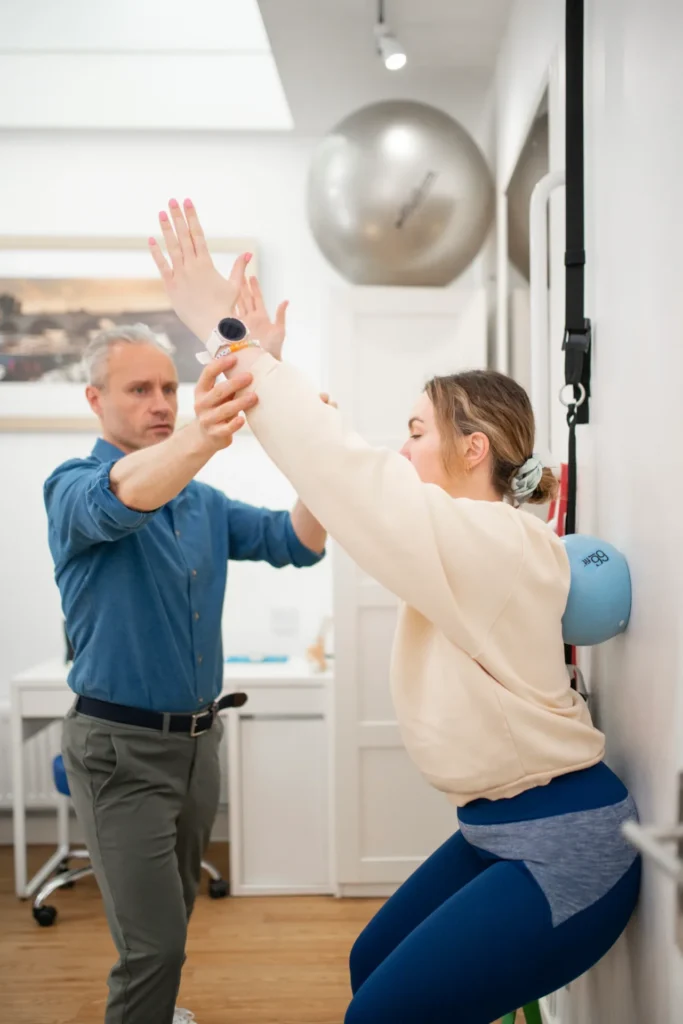
Condition
What Is a Sports Injury?
A sports injury is any injury affecting muscles, tendons, ligaments, joints, bones or nerves that occurs during physical activity or exercise.
Some injuries happen suddenly following a fall, twist, collision or awkward movement. Others develop gradually over time as a result of repetitive loading, training errors, inadequate recovery or biomechanical factors.
Sports injuries can affect people of all ages and activity levels, from elite athletes to individuals exercising for general health and fitness.
Symptoms
Common Symptoms of Sports Injuries
Symptoms vary depending on the structure involved and the severity of injury.
Common symptoms include:
- Pain during activity
- Pain after exercise
- Swelling
- Tenderness over muscles, tendons or joints
- Stiffness
- Reduced mobility
- Muscle weakness
- Reduced sporting performance
- Difficulty weight-bearing
- Loss of strength or power
- Joint instability
- Pain during running, jumping or lifting
- Bruising
- Difficulty returning to training
Early assessment can often reduce recovery times and help prevent recurring problems.
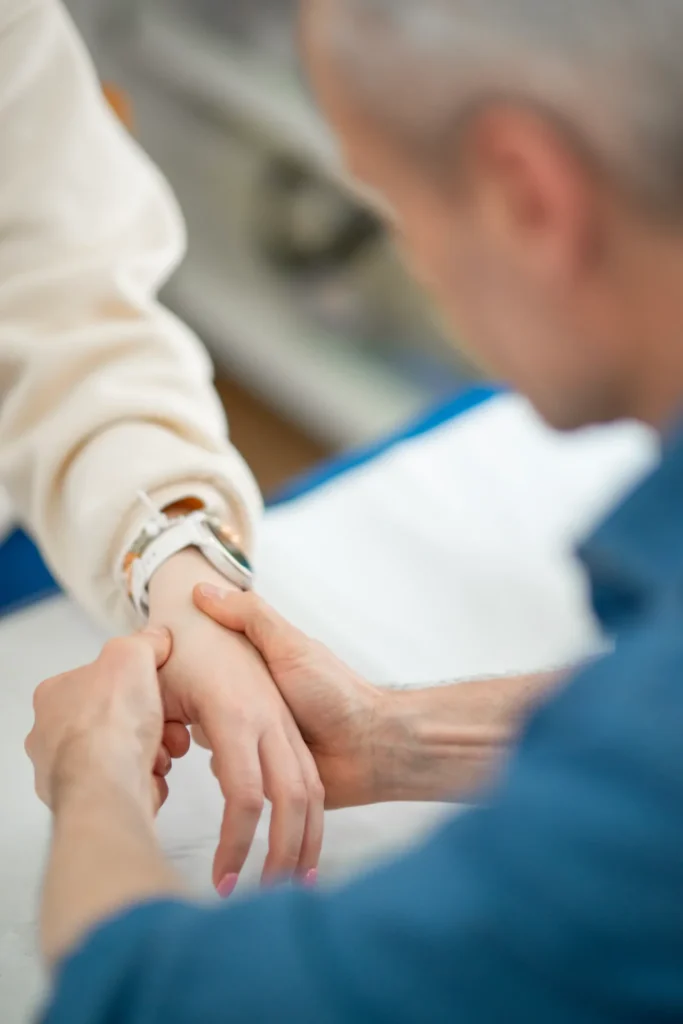
What We Treat
Sports Injuries We Commonly Treat
Our team regularly assesses and treats a wide range of sporting injuries.
Muscle Strains and Tears
Muscle injuries commonly occur in the calf, hamstring, quadriceps, groin and shoulder. Treatment focuses on optimising tissue healing, restoring strength and safely progressing back to sport.
Ligament Sprains
Rotator cuff tears may develop through injury or age-related degeneration. Treatment can help improve strength, function and symptom management both conservatively and following surgery.
Stress Fractures and Bone Stress Injuries
Bone stress injuries can develop when training demands exceed the body’s ability to recover. Early diagnosis and appropriate management are essential.
Tendinopathies
Overuse injuries affecting tendons are particularly common in active individuals.
Examples include:
- Achilles tendinopathy
- Patellar tendinopathy
- Rotator cuff tendinopathy
- Gluteal tendinopathy
- Tennis elbow
- Golfer’s elbow
Running Injuries
Running-related injuries may include:
- Shin splints
- Achilles pain
- Plantar fasciitis
- Knee pain
- Hip pain
- Bone stress injuries
We assess training loads, biomechanics and recovery factors to help prevent recurrence.
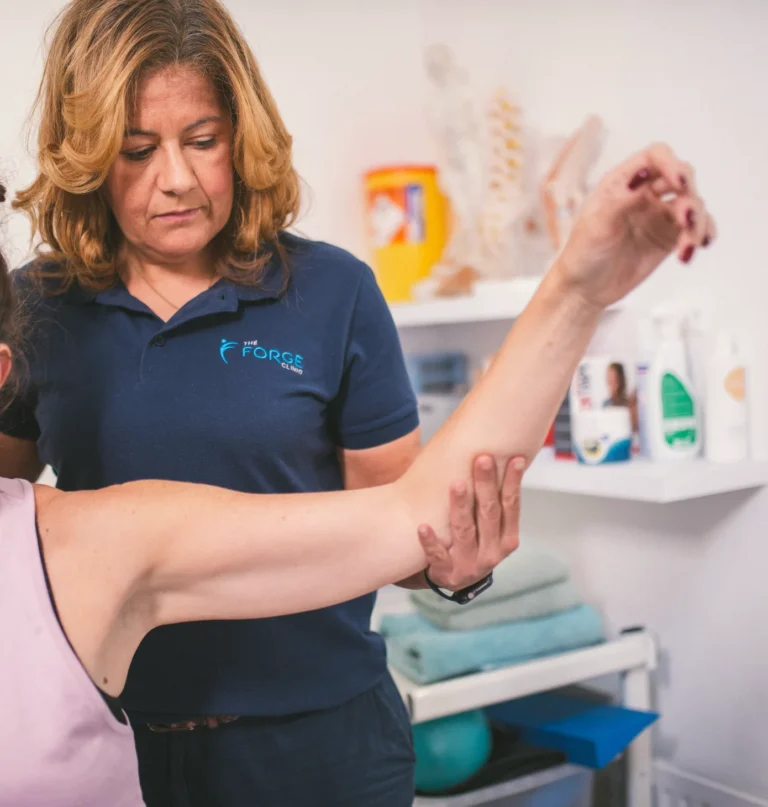
Shoulder Injuries
Common sporting shoulder injuries include:
- Rotator cuff injuries
- Shoulder instability
- Shoulder dislocations
- AC joint injuries
- Labral injuries
Fracture Rehabilitation
We support rehabilitation following fractures once medically appropriate, helping restore movement, strength and function.
Skiing and Snow Sports Injuries
We regularly treat injuries sustained during skiing and snowboarding, including knee injuries, shoulder injuries, fractures and soft tissue damage.
Causes
What Causes Sports Injuries?
Sports injuries often occur due to a combination of factors.
Common contributors include:
Understanding why an injury occurred is often just as important as treating the symptoms themselves.
Assessment Process
How We Assess Sports Injuries
Your assessment begins with a detailed discussion about your injury, sporting activities, training history and goals.
We may assess:
- Movement patterns
- Strength
- Joint mobility
- Flexibility
- Running mechanics
- Functional performance
- Balance and control
- Sport-specific demands
- Training loads
This allows us to identify the factors contributing to your injury and create an effective rehabilitation plan.
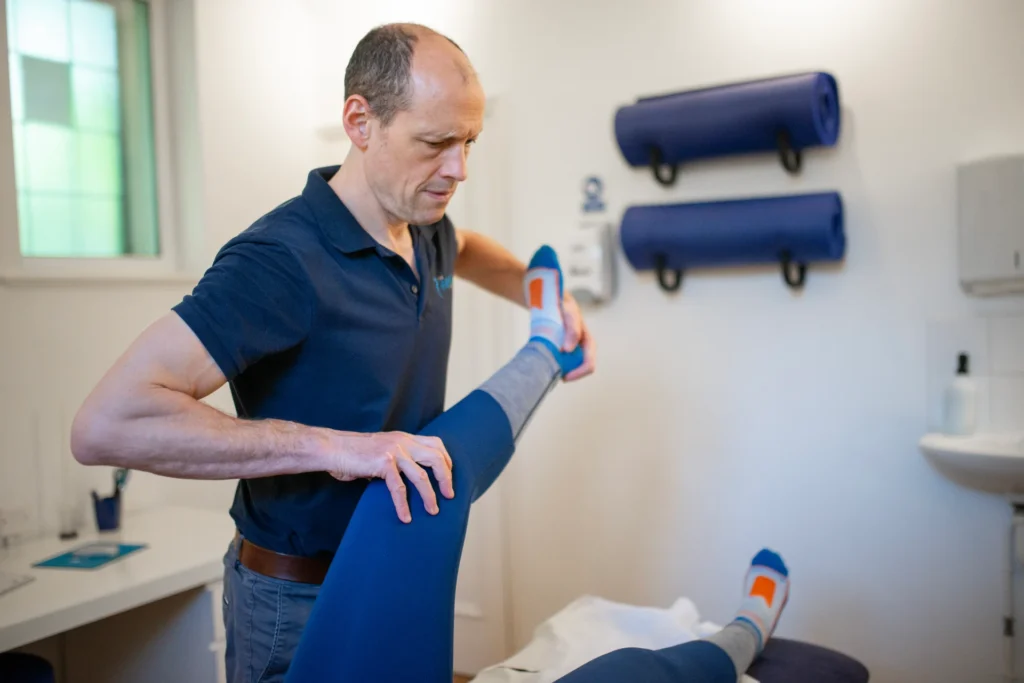
Treatment
Treatment for Sports Injuries in Richmond
Treatment is tailored to your injury, sport and recovery goals.
01
Physiotherapy
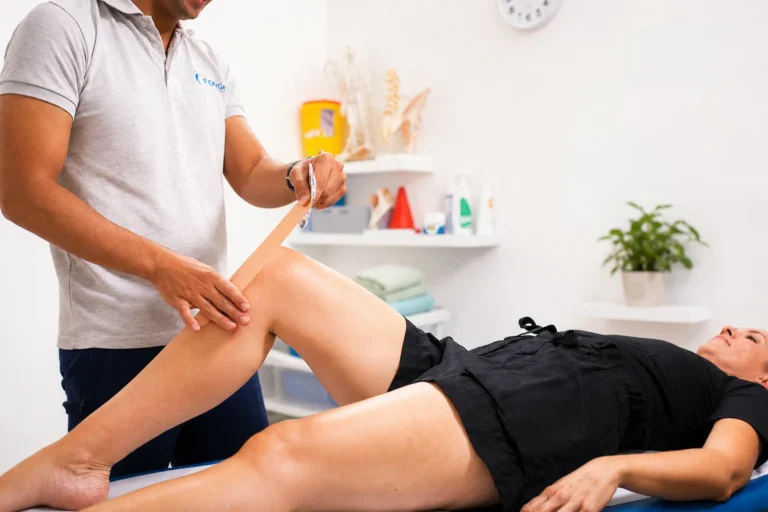
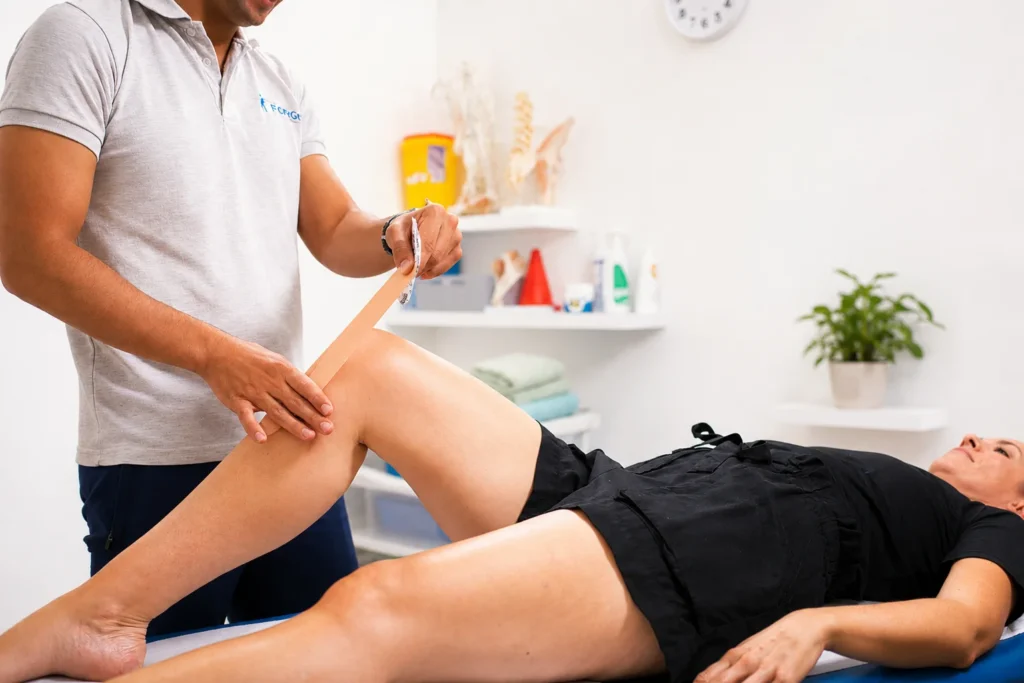
Physiotherapy plays a central role in sports injury rehabilitation, helping reduce pain, restore movement and strength, improve balance, and guide a safe return to activity.
02
Osteopathy
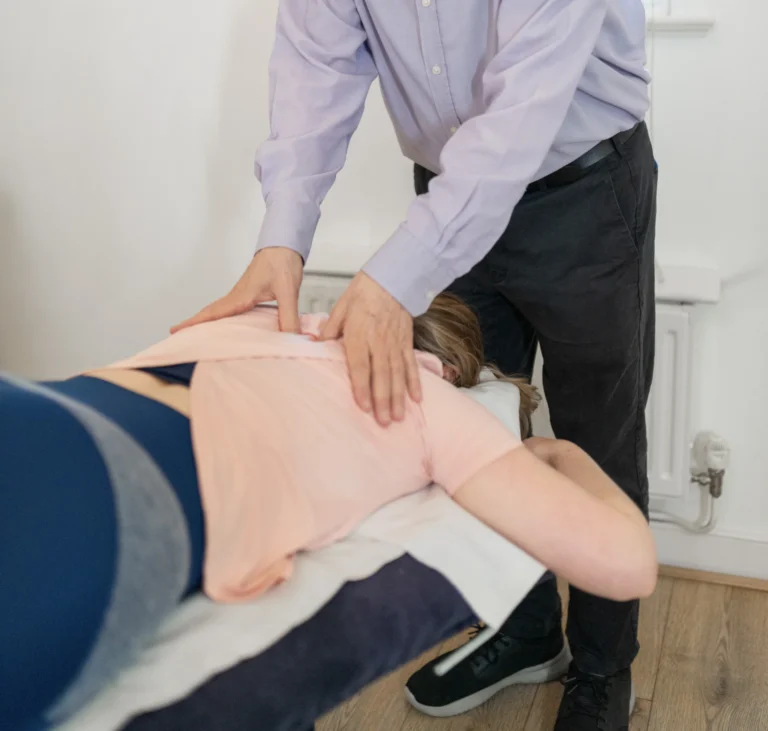
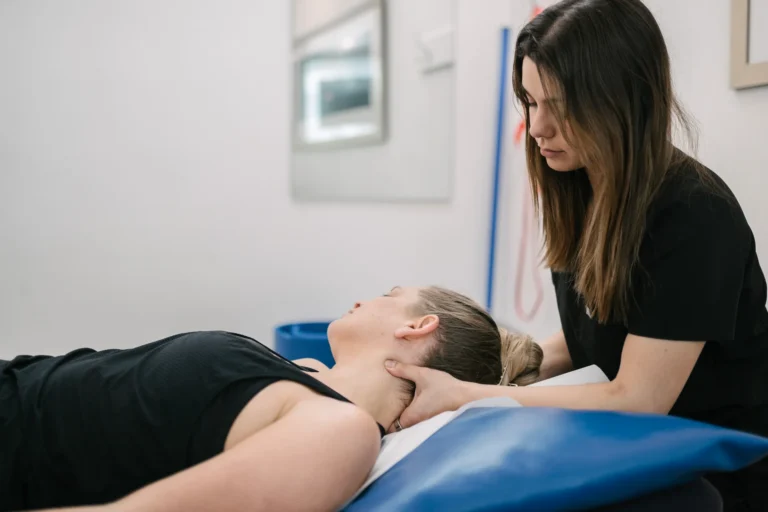
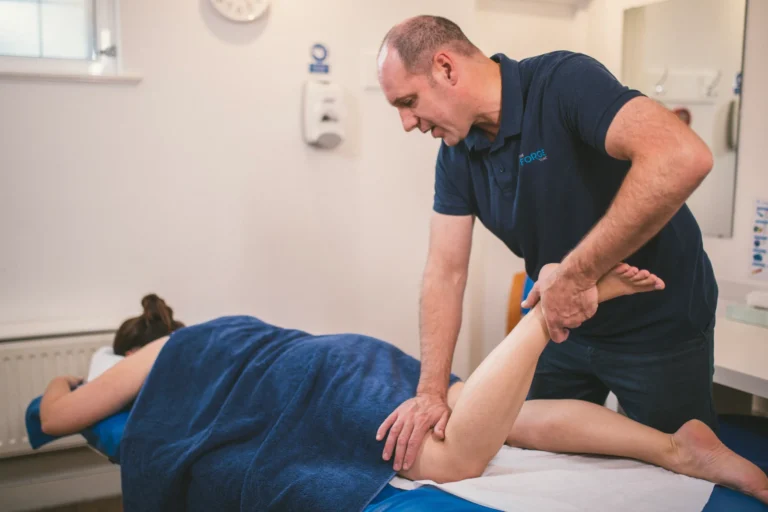
Osteopathy can help improve mobility, reduce muscle tension and optimise movement patterns that may be contributing to injury.
03
Shockwave Therapy
Shockwave therapy may be recommended for certain chronic tendon conditions, including:
- Achilles tendinopathy
- Plantar fasciitis
- Patellar tendinopathy
- Tennis elbow
- Calcific shoulder tendinopathy
04
Sports Massage
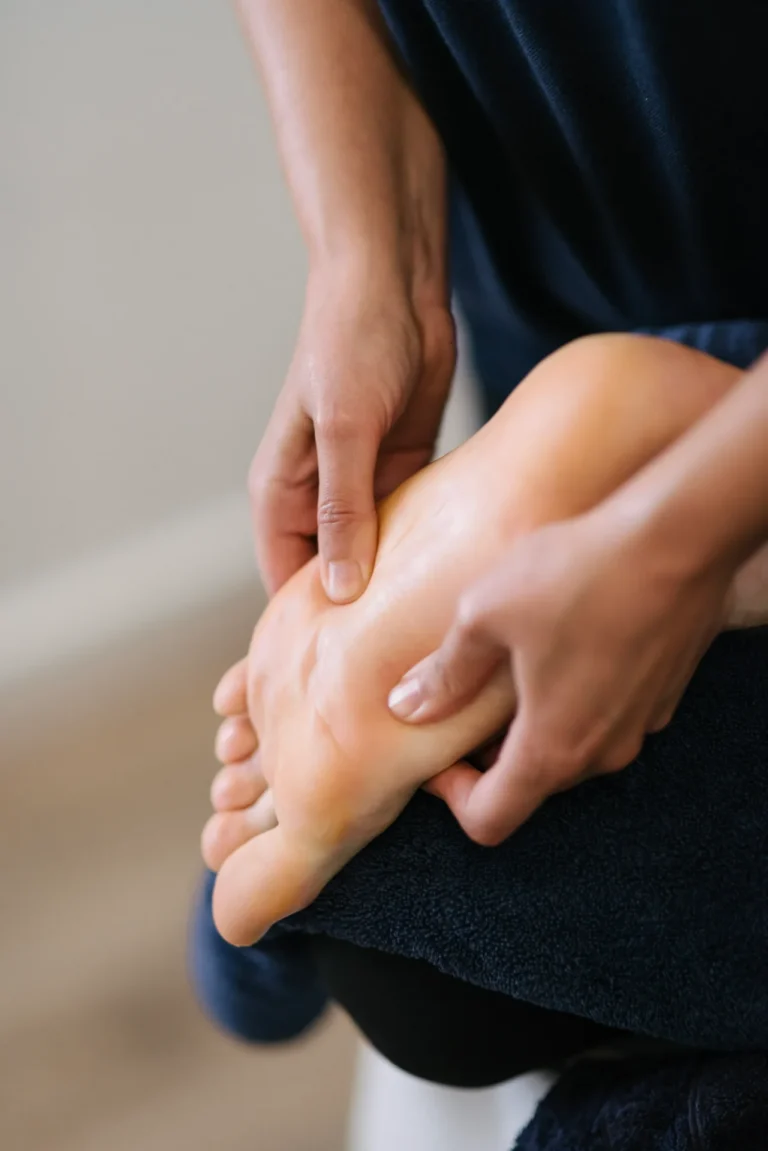
Sports Massage can help address muscle tension, improve tissue quality and support recovery alongside rehabilitation.
05
Exercise Rehabilitation
Progressive rehabilitation is often the most important component of recovery. We develop tailored exercise programmes designed to restore strength, power, endurance and confidence.
06
Return to Sport Planning
Our team helps guide your return to training and competition using evidence-based rehabilitation principles, reducing the risk of re-injury.
Why The Forge Clinic
Why Choose The Forge Clinic?
The Forge Clinic provides comprehensive sports injury treatment in Richmond through a collaborative multidisciplinary approach.
Patients choose us because we offer:
- Experienced sports injury clinicians
- Physiotherapy and Osteopathy under one roof
- Shockwave therapy for suitable conditions
- Individual rehabilitation programmes
- Return-to-sport expertise
- Evidence-based treatment approaches
- Convenient Richmond location
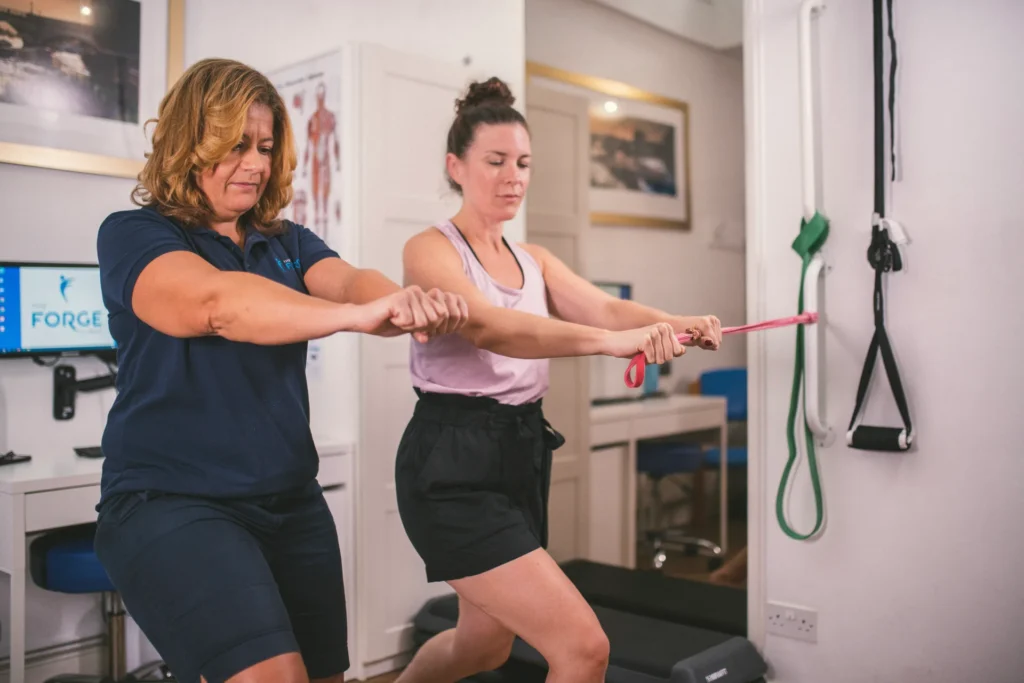
Team
Meet The Team
Our multidisciplinary team works together to help active individuals recover from injury, improve performance and return to sport with confidence.
FAQs
Frequently Asked Questions
Should I stop exercising if I have a sports injury?
Not always. Many injuries benefit from modified activity rather than complete rest. Your clinician can advise on appropriate activity levels during recovery.
How long do sports injuries take to heal?
Recovery times vary depending on the injury, severity and individual factors. Some injuries improve within weeks, while others require longer-term rehabilitation.
When should I seek treatment?
If pain is affecting your ability to train, compete or carry out daily activities, early assessment can often improve outcomes and speed recovery.
What is shockwave therapy used for?
Shockwave therapy is commonly used for chronic tendon conditions and certain stubborn soft tissue injuries where appropriate.
Can I continue running with an injury?
This depends on the injury. Some conditions tolerate continued running with modifications, while others require temporary reduction or cessation.
How can I reduce the risk of future injuries?
A combination of strength training, appropriate load management, recovery strategies and movement optimisation can significantly reduce injury risk.